 Bug FAQ
Sycamore Tussock Moth
Halysidota harrisii · Order: Lepidoptera · Family: Erebidae
Source: Wikipedia
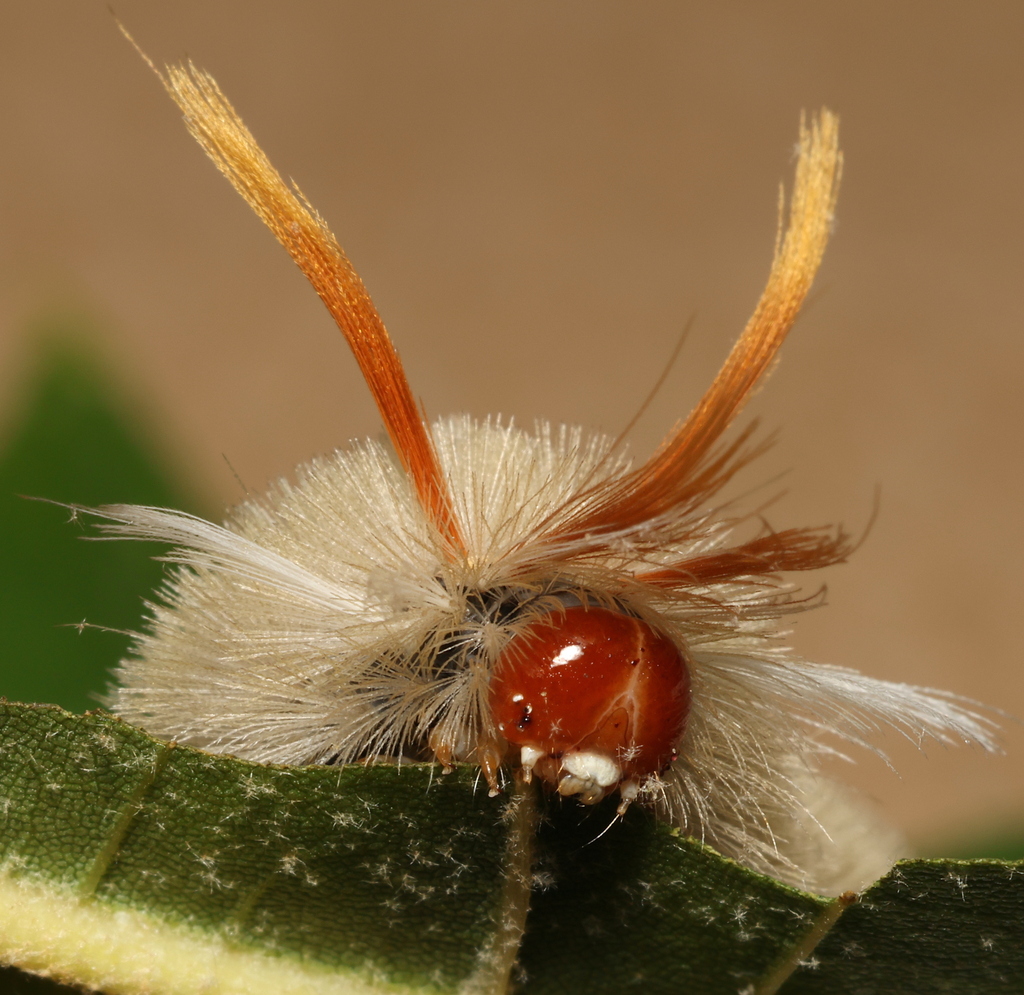
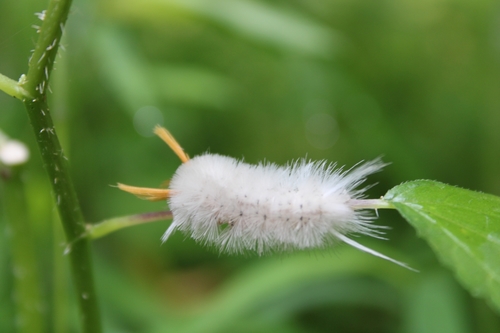
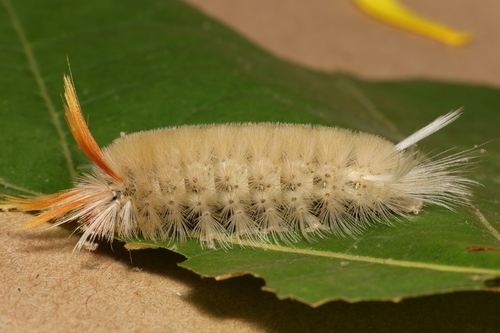
The larvae feed on American sycamore trees and can cause skin hives. Two generations appear each year, emerging from May to August in southeastern Canada, the eastern US, and northeastern Mexico.
Source: Wikipedia
How to recognize it
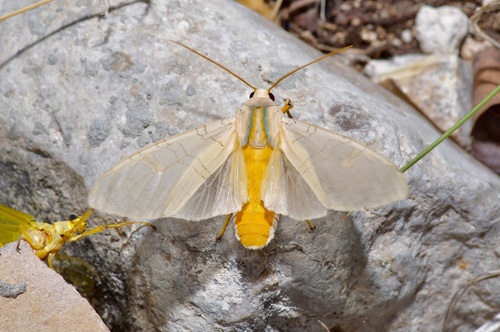
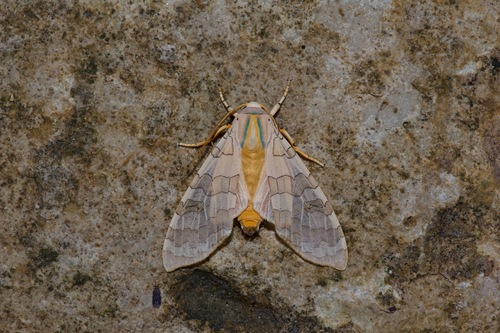
Adults are pale yellow with dark forewing bands.
Source: Wikipedia
Size
Each forewing is 24 to 26 mm long, giving a wingspan of about 50 mm.
Source: Wikipedia
Does it bite or sting?
Caterpillars have been reported to cause urticaria (hives).
Source: Wikipedia
How to get rid of it
Birds and other natural predators usually keep populations in check, but pesticides may be required in heavy infestations.
Source: Wikipedia
Where it lives
Found in southeastern Canada, the eastern United States, and northeastern Mexico.
Source: Wikipedia
What it eats
Larvae feed on the leaves of the American sycamore (Platanus occidentalis).
Source: Wikipedia
Life cycle
There are two generations each year.
Source: Wikipedia
When you see it
Adults emerge from overwintering cocoons in May-June, pupate in late June-July, and re-emerge as moths in July-August.
Source: Wikipedia
Where it comes from
Its range includes southeastern Canada, the eastern US, and northeastern Mexico.
Source: Wikipedia
Lookalikes
Adults look almost identical to the related Halysidota tesselaris.
Source: Wikipedia
Where it is found in the US
Recorded in 36 of 51 states and DC. Most records: Ohio, Virginia, Maryland, Pennsylvania, North Carolina, Tennessee, New York, Texas.
Darker = more records. Counts are museum and citizen-science records, not population size.
Source: GBIF
Status: native in North America; native in Canada; native in United States. Source: iNaturalist
Months it is reported in the US
Source: GBIF
More photos
Questions people ask
Can they damage trees?
The larvae feed on American sycamore leaves, which can stress the tree.
Source: Wikipedia
How can I control an outbreak?
Encourage birds and, if needed, apply appropriate pesticides.
Source: Wikipedia
Same family (Erebidae)
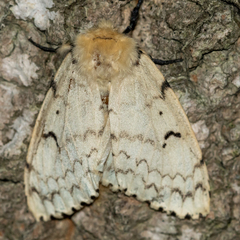 Spongy MothLymantria disparDamages trees, gardens or crops
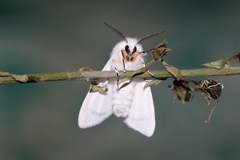 Fall Webworm MothHyphantria cuneaDamages trees, gardens or crops
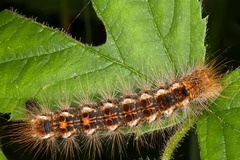 Brown-tail MothEuproctis chrysorrhoeaCan irritate skin
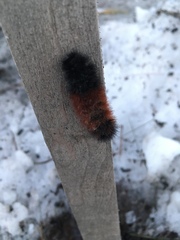 Isabella Tiger MothPyrrharctia isabella
 Virginian Tiger MothSpilosoma virginicaCan irritate skin
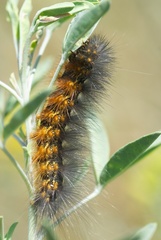 Salt Marsh MothEstigmene acrea
Sources
- Wikipedia: https://en.wikipedia.org/wiki/Halysidota_harrisii
Look it up elsewhere: GBIF · iNaturalist · BugGuide · ITIS · Wikipedia
Text written 2026-10-22 from the sources above and checked sentence by sentence against them. Data fetched 2026-10-22.