 Bug FAQ
Found a bug in your house?
Pick the kind of bug. Each page says if it is dangerous and how to deal with it.
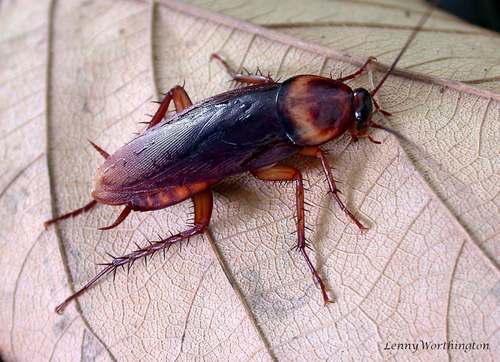 Cockroaches
Roaches in the kitchen or bathroom, and how to tell the species apart.
9 species
 Bed Bugs
Small blood-feeding bugs that hide in mattresses and furniture.
2 species
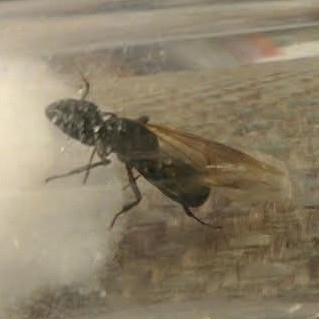 Ants
Ants that move indoors, from sugar ants to carpenter ants and fire ants.
19 species
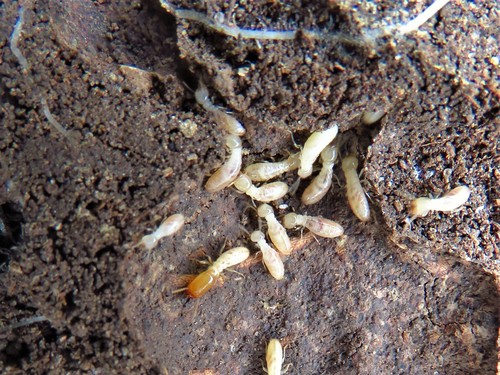 Termites
Wood eaters that can damage a house before you see them.
8 species
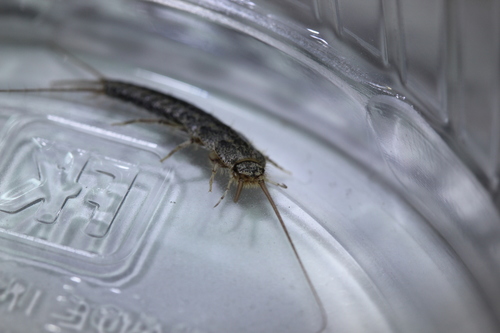 Silverfish
Fast, wingless insects in bathrooms, basements and old paper.
4 species
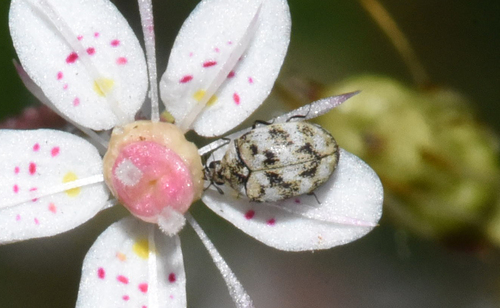 Carpet Beetles
Tiny beetles whose larvae eat wool, fur, feathers and lint.
6 species
 Fleas
Jumping biters that ride in on pets.
5 species
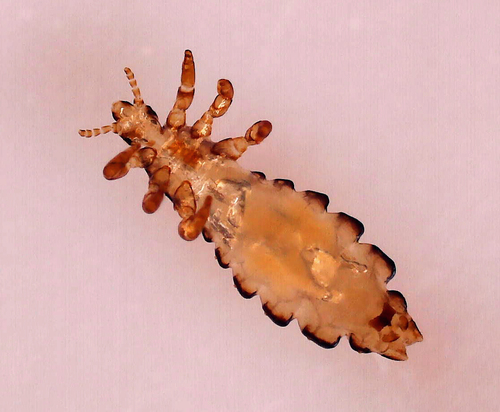 Lice
Head lice, body lice and crab lice that live on people, not in the house.
2 species
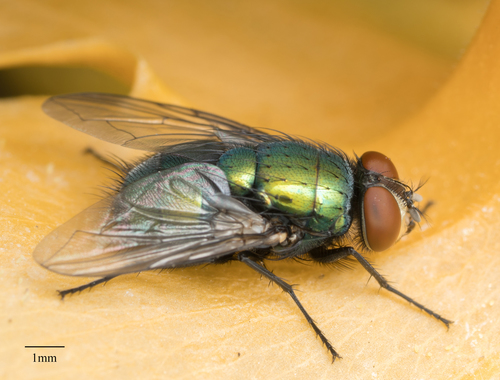 Flies
House flies, fruit flies, drain flies and the ones that bite.
17 species
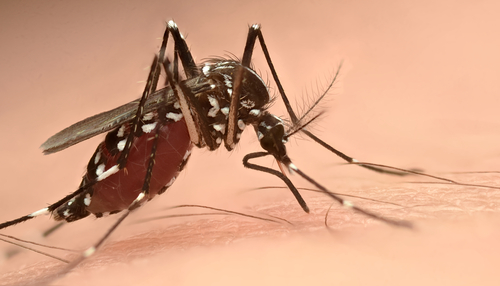 Mosquitoes
Biters that breed in standing water, some carry disease.
10 species
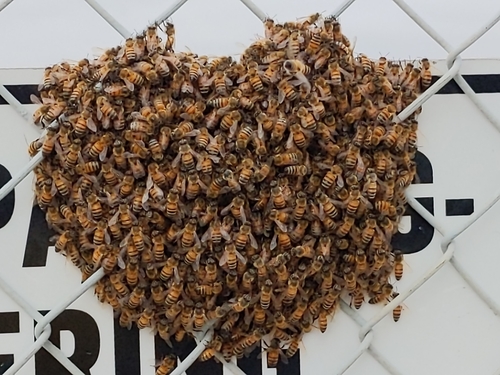 Wasps And Bees
Yellowjackets, hornets, paper wasps, mud daubers and bees near the house.
19 species
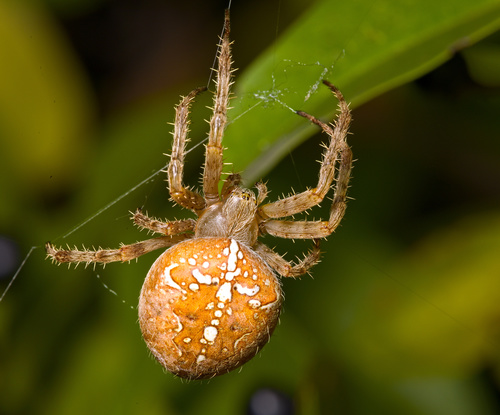 Spiders
House spiders, black widows, recluses and the harmless ones that look scary.
30 species
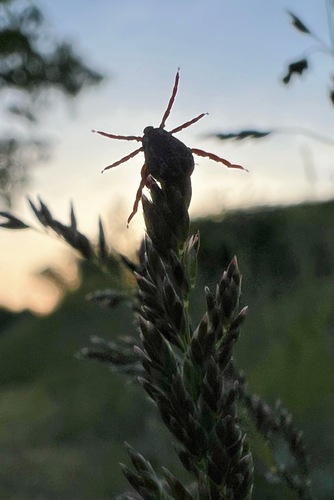 Ticks And Mites
Ticks that carry disease, and mites around the house.
11 species
 Stink Bugs And True Bugs
Stink bugs, boxelder bugs, kissing bugs and other true bugs.
13 species
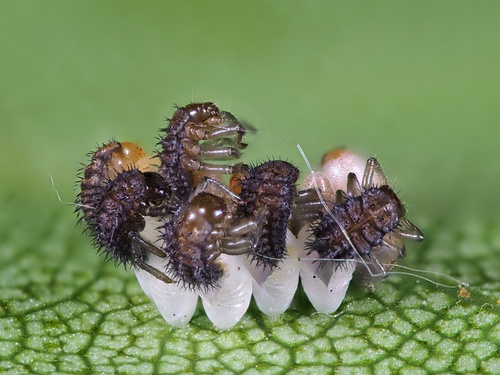 Lady Beetles And Beetles
Lady beetles that swarm in fall, pantry beetles, wood borers.
24 species
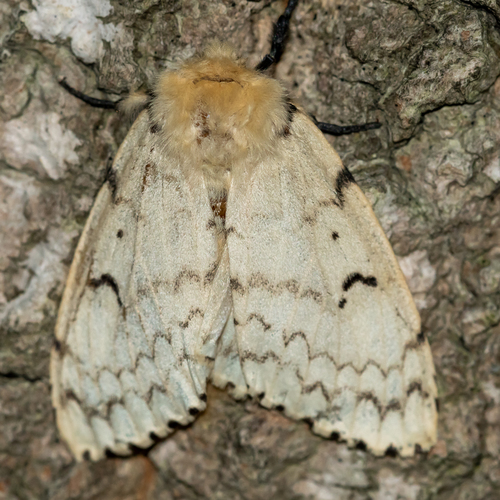 Moths
Pantry moths, clothes moths and stinging caterpillars.
16 species
 Earwigs
Pincer bugs that come in from damp places.
4 species
 Centipedes And Millipedes
House centipedes, big centipedes and millipedes.
10 species
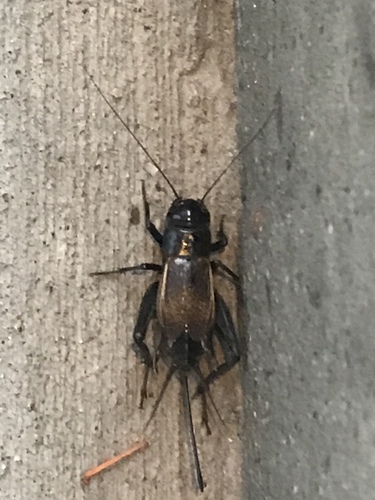 Crickets
House crickets, camel crickets, field crickets and mole crickets.
6 species
 Scorpions
, whip scorpions and tiny pseudoscorpions.
5 species
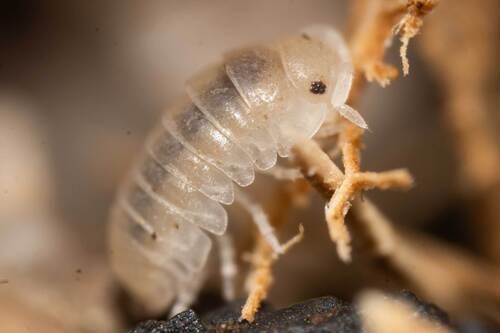 Pill Bugs And Others
Pill bugs, sowbugs, booklice, springtails and more.
13 species