 Bug FAQ
Fall Webworm Moth
Hyphantria cunea · Order: Lepidoptera · Family: Erebidae
Also called: American White Moth, Autumn Webworm, Fall Webworm
Source: Wikipedia
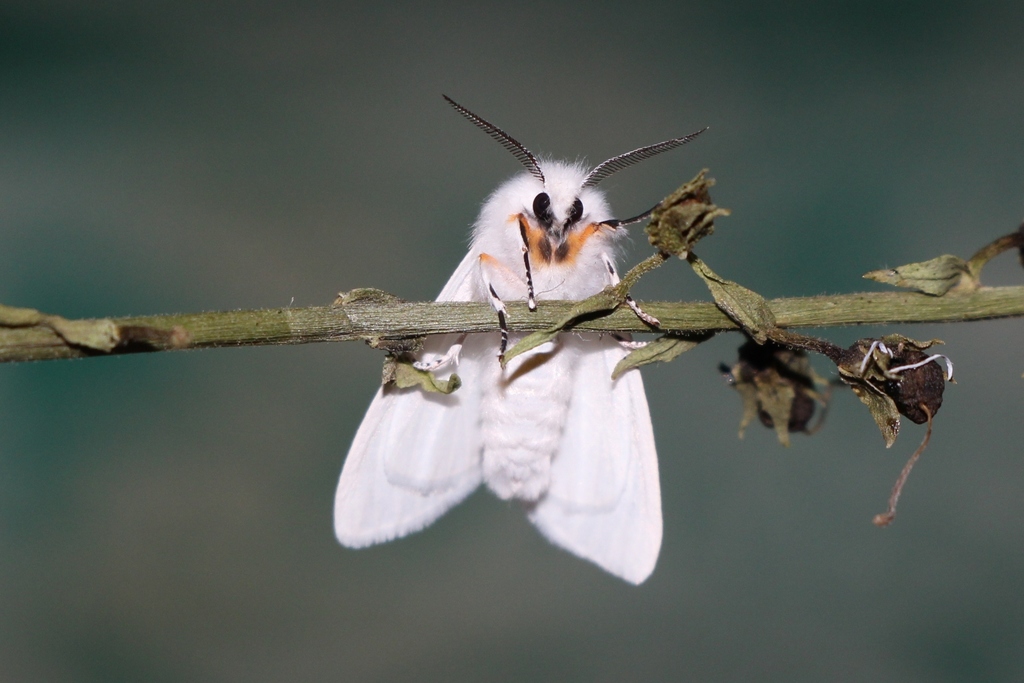
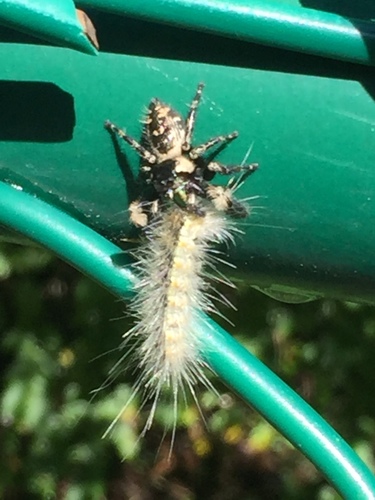
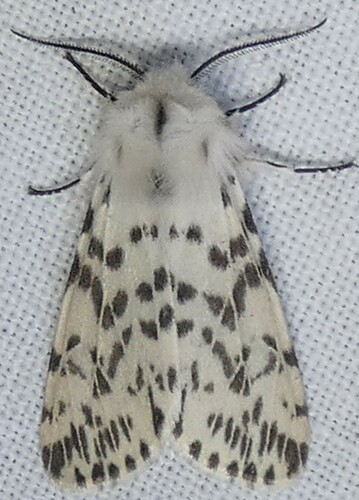
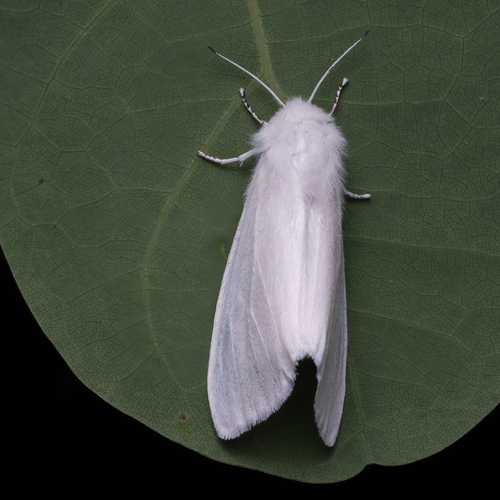
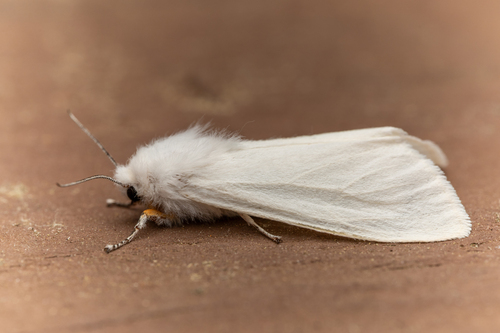
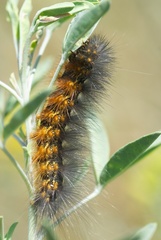
Adult fall webworms have a 30 mm wingspan and are mostly white, sometimes with dark marks. Caterpillars vary from pale yellow to dark grey, have yellow spots, bristles, and two cream side stripes. They build webs on branch tips in parks and recreational areas, defoliating visible parts of trees.
Source: Wikipedia
How to recognize it
Adults are about 30 mm across, generally white, and may show dark markings. Caterpillars range from pale yellow to dark grey, have yellow spots, long and short bristles, and two cream stripes along the sides.
Source: Wikipedia
Size
The adult’s wingspan is roughly 30 mm.
Source: Wikipedia
Is it a pest in the house?
Fall webworms are pests that defoliate visible parts of trees but do not kill otherwise healthy trees.
Source: Wikipedia
How to get rid of it
Physical removal can be hard on tall or hard-to-reach trees, and chemicals may harm pollinators. Community-based monitoring using mobile devices has shown promise for better control.
Source: Wikipedia
Where it lives
They make webs on branches in places people use, like parks and recreation areas.
Source: Wikipedia
What it eats
Young larvae eat only the upper leaf surface; later they consume whole leaves inside their tents.
Source: Wikipedia
Life cycle
One generation per year appears in northern North America, with larvae in late summer to early fall. In southeast Pennsylvania and Delaware a second generation emerges after 791 to 1540 growing degree-days.
Source: Wikipedia
When you see it
North of about 40° N there is one generation per year; south of that latitude there are two or more generations, appearing earlier farther south.
Source: Wikipedia
Where it comes from
The species is native to North America, from Canada down to Mexico.
Source: Wikipedia
Lookalikes
Their webs are concentrated at branch tips, unlike tent caterpillars whose webs are found in leaf unions.
Source: Wikipedia
Where it is found in the US
Recorded in 49 of 51 states and DC. Most records: Texas, North Carolina, Ohio, Virginia, Georgia, Maryland, Alabama, Louisiana.
Darker = more records. Counts are museum and citizen-science records, not population size.
Source: GBIF
Months it is reported in the US
Source: GBIF
More photos
Questions people ask
How can I get rid of fall webworm webs?
You can cut away the webs, but removal may be difficult on tall trees; chemical sprays are an option but can affect pollinators.
Source: Wikipedia
Are fall webworms harmful to my trees?
They defoliate the visible parts of branches but usually do not kill healthy trees.
Source: Wikipedia
When will I see fall webworms in my area?
In northern regions they appear in late summer to early fall; farther south they may have two or more generations starting earlier in the season.
Source: Wikipedia
Same family (Erebidae)


Sources
- Wikipedia: https://en.wikipedia.org/wiki/Fall_webworm
Look it up elsewhere: GBIF · iNaturalist · BugGuide · ITIS · Wikipedia
Text written 2026-10-22 from the sources above and checked sentence by sentence against them. Data fetched 2026-10-22.