 Bug FAQ
Sappho Underwing
Catocala sappho · Order: Lepidoptera · Family: Erebidae
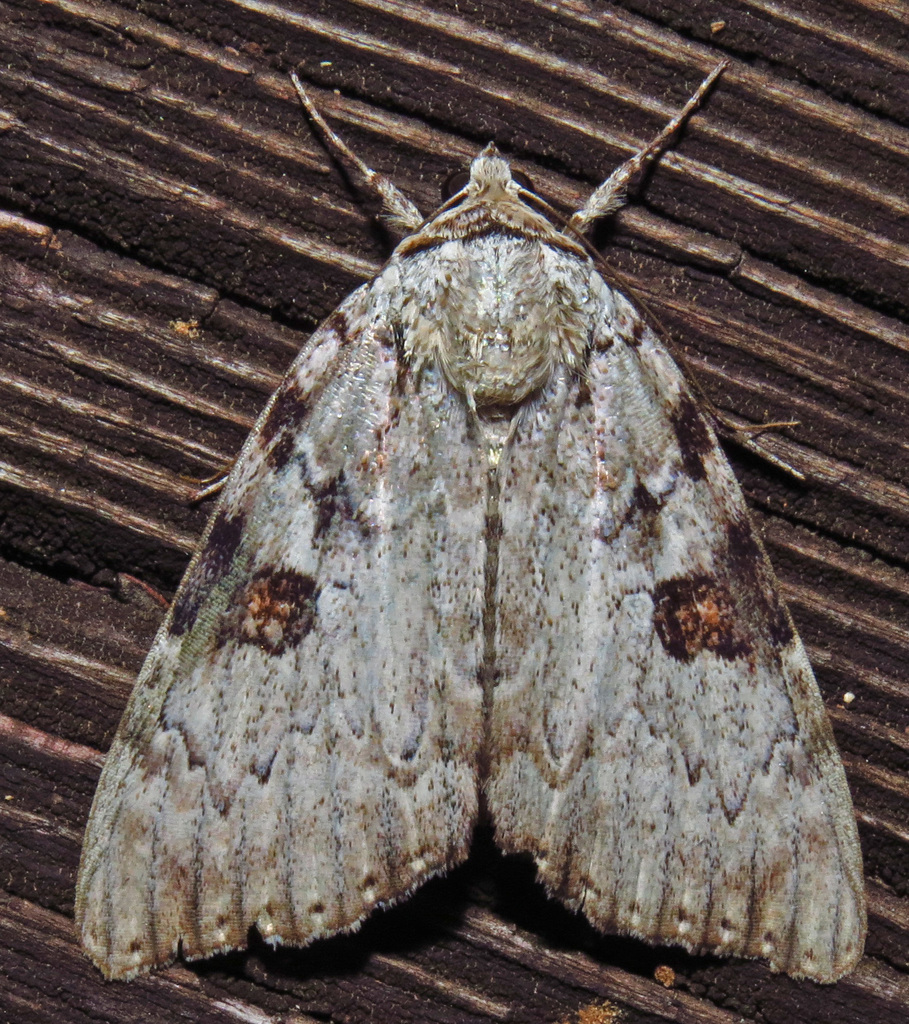
The Sappho underwing moth has a wingspan of about 62 to 75 mm (2.4 to 3 in). Its caterpillars eat hickory trees (Carya species) and adults fly from May to July and again from September to October in higher elevations.
Source: Wikipedia
How to recognize it
Catocala sappho, known as the Sappho underwing, belongs to the moth family Erebidae.
Source: Wikipedia
Size
The wingspan ranges between 62 and 75 mm.
Source: Wikipedia
Where it lives
It is found from Virginia and Tennessee down to Florida and westward to Louisiana, Mississippi, Texas, Missouri and Illinois.
Source: Wikipedia
What it eats
The larvae feed on species of hickory (Carya).
Source: Wikipedia
Life cycle
Adults are on the wing from May through July and again from September to October in highland areas.
Source: Wikipedia
When you see it
In mountainous regions, the moth has two flight periods: late spring to midsummer and early fall.
Source: Wikipedia
Where it comes from
Its native range includes those same U.S. states across the southeastern and central regions.
Source: Wikipedia
Where it is found in the US
Recorded in 17 of 51 states and DC. Most records: Florida, Louisiana, Alabama, North Carolina, Georgia, Mississippi, Tennessee, South Carolina.
Darker = more records. Counts are museum and citizen-science records, not population size.
Source: GBIF
Status: native in North America; native in United States. Source: iNaturalist
Months it is reported in the US
Source: GBIF
More photos
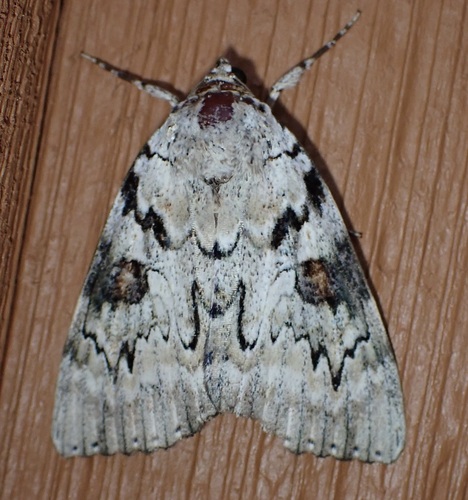
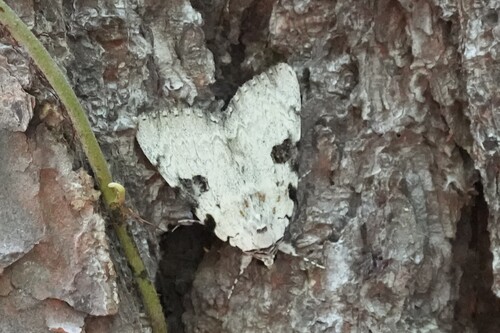
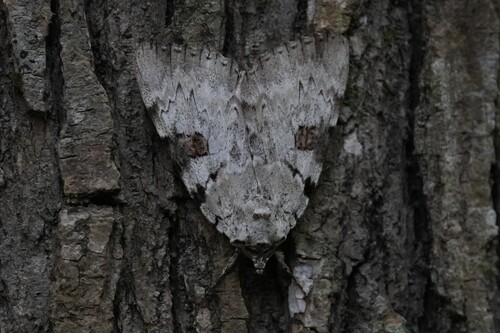
Questions people ask
When can I see adult Sappho underwing moths?
Adults appear from May to July and again from September to October in higher elevations.
Source: Wikipedia
What do the caterpillars of the Sappho underwing eat?
The larvae feed on hickory trees, which are Carya species.
Source: Wikipedia
Same family (Erebidae)
 Spongy MothLymantria disparDamages trees, gardens or crops
 Fall Webworm MothHyphantria cuneaDamages trees, gardens or crops
 Brown-tail MothEuproctis chrysorrhoeaCan irritate skin
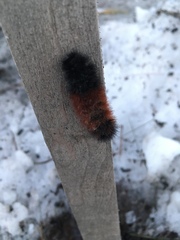 Isabella Tiger MothPyrrharctia isabella
 Virginian Tiger MothSpilosoma virginicaCan irritate skin
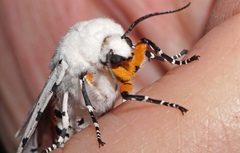 Salt Marsh MothEstigmene acreaDamages trees, gardens or crops
Sources
- Wikipedia: https://en.wikipedia.org/wiki/Catocala_sappho
Look it up elsewhere: GBIF · iNaturalist · BugGuide · ITIS · Wikipedia
Text written 2026-10-26 from the sources above and checked sentence by sentence against them. Data fetched 2026-10-26.