 Bug FAQ
Pale-edged Selenisa
Selenisa sueroides · Order: Lepidoptera · Family: Erebidae
Source: Wikipedia
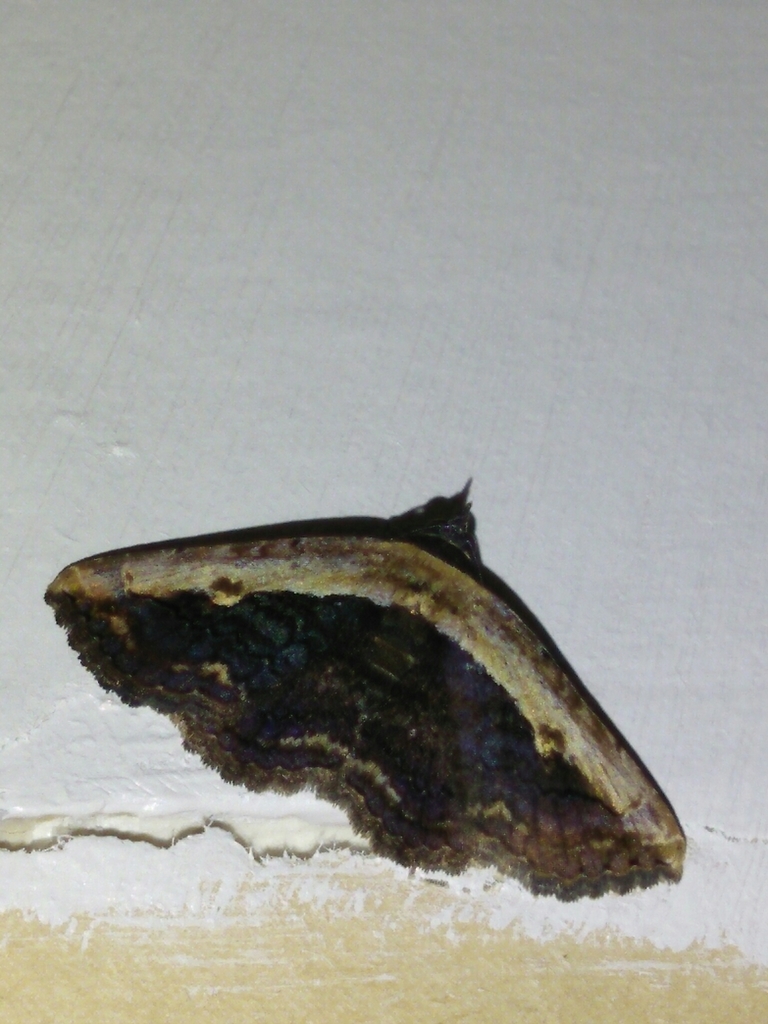
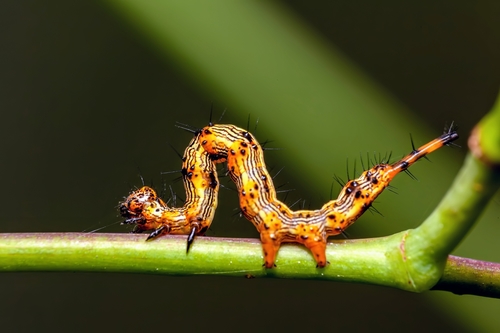
It lives in North America and its larvae chew holes in plastic tubing to get into irrigation pipes. The larvae have been found damaging micro-tubing in citrus groves, especially when the tubing is black.
Source: Wikipedia
How to recognize it
Achille Guenée first described the species in 1852.
Source: Wikipedia
Is it a pest in the house?
Larvae have damaged micro-tubing systems used to irrigate commercial citrus crops in south Florida.
Source: Wikipedia
How to get rid of it
The larvae seem to prefer black tubing over coloured tubing.
Source: Wikipedia
Where it lives
It is found across North America.
Source: Wikipedia
What it eats
The caterpillars chew holes in plastic tubing to enter and later pupate inside the pipes.
Source: Wikipedia
Where it comes from
Its native range includes North America.
Source: Wikipedia
Where it is found in the US
Recorded in 13 of 51 states and DC. Most records: Texas, Florida, Louisiana, Alabama, Mississippi, Georgia, South Carolina, Arizona.
Darker = more records. Counts are museum and citizen-science records, not population size.
Source: GBIF
Status: native in United States. Source: iNaturalist
Months it is reported in the US
Source: GBIF
More photos
Questions people ask
What damage do these moths cause?
Their larvae chew through irrigation tubing, damaging the pipes that water citrus groves.
Source: Wikipedia
What do the caterpillars eat?
They gnaw plastic tubing to get inside the pipes where they later pupate.
Source: Wikipedia
How can I prevent damage to my irrigation system?
Using tubing that is not black may make it less attractive to the larvae.
Source: Wikipedia
Same family (Erebidae)
 Spongy MothLymantria disparDamages trees, gardens or crops
 Fall Webworm MothHyphantria cuneaDamages trees, gardens or crops
 Brown-tail MothEuproctis chrysorrhoeaCan irritate skin
 Isabella Tiger MothPyrrharctia isabella
 Virginian Tiger MothSpilosoma virginicaCan irritate skin
 Salt Marsh MothEstigmene acrea
Sources
- Wikipedia: https://en.wikipedia.org/wiki/Selenisa_sueroides
Look it up elsewhere: GBIF · iNaturalist · BugGuide · ITIS · Wikipedia
Text written 2026-10-24 from the sources above and checked sentence by sentence against them. Data fetched 2026-10-24.