 Bug FAQ
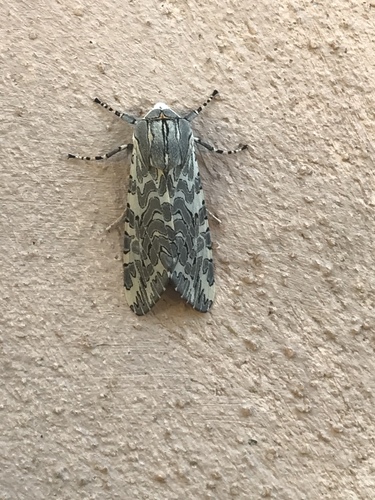
Painted Tiger Moth
Arachnis picta · Order: Lepidoptera · Family: Erebidae
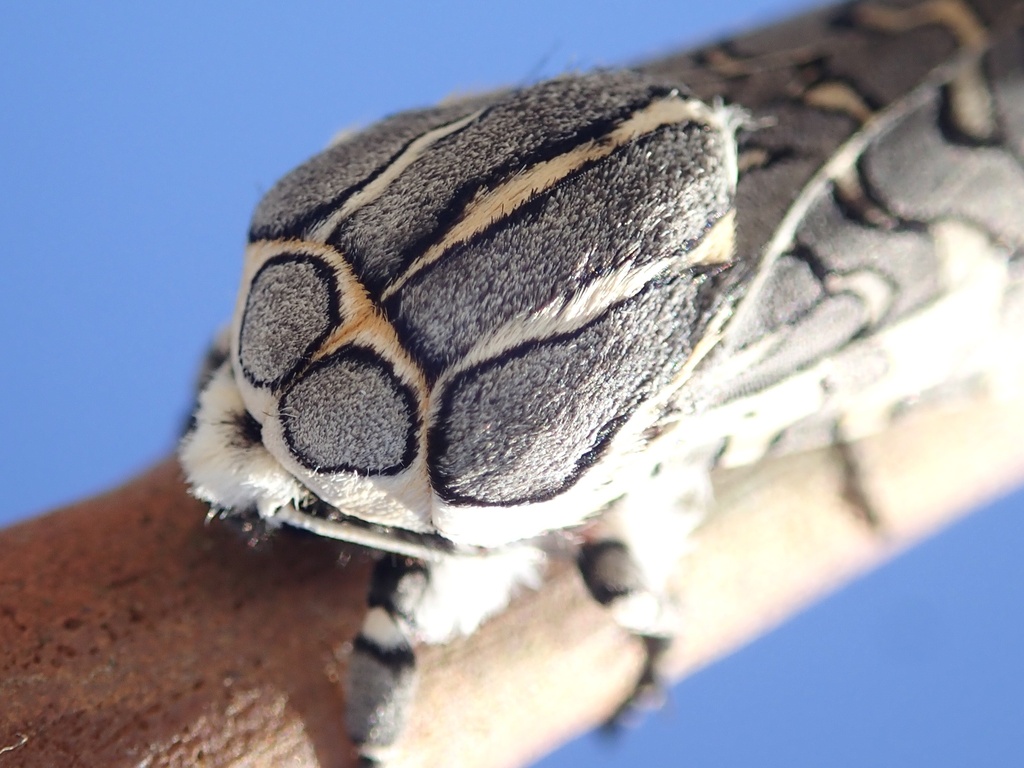
The painted tiger moth has a wingspan of about 5 cm. It lives in the southwestern United States and nearby parts of Mexico. Its caterpillars feed on herbaceous plants such as lupine, radish and acanthus.
Source: Wikipedia
How to recognize it
Arachnis picta, known as the painted tiger moth, belongs to the family Erebidae.
Source: Wikipedia
Size
The adult’s wingspan measures roughly 50 mm.
Source: Wikipedia
What it eats
Larvae eat herbaceous plants such as lupine, radish and acanthus species.
Source: Wikipedia
When you see it
Adults are on the wing during the summer months.
Source: Wikipedia
Where it comes from
Its range includes the southwestern United States and adjacent areas of Mexico.
Source: Wikipedia
Where it is found in the US
Recorded in 10 of 51 states and DC. Most records: California, Arizona, Colorado, Utah, New Mexico, Nevada, Texas, Oklahoma.
Darker = more records. Counts are museum and citizen-science records, not population size.
Source: GBIF
Status: native in North America; native in United States. Source: iNaturalist
Months it is reported in the US
Source: GBIF
More photos
Questions people ask
What plants do painted tiger moth caterpillars eat?
The larvae feed on herbaceous plants like lupine, radish and acanthus.
Source: Wikipedia
Where can I find painted tiger moths?
They occur in the southwestern United States and nearby parts of Mexico.
Source: Wikipedia
Same family (Erebidae)
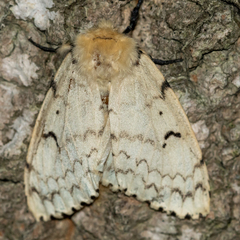 Spongy MothLymantria disparDamages trees, gardens or crops
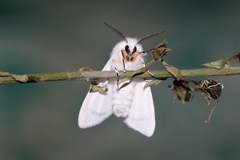 Fall Webworm MothHyphantria cuneaDamages trees, gardens or crops
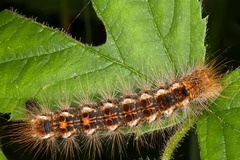 Brown-tail MothEuproctis chrysorrhoeaCan irritate skin
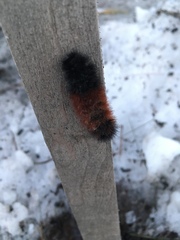 Isabella Tiger MothPyrrharctia isabella
 Virginian Tiger MothSpilosoma virginicaCan irritate skin
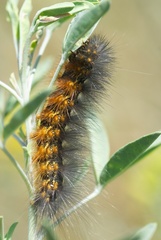 Salt Marsh MothEstigmene acrea
Sources
- Wikipedia: https://en.wikipedia.org/wiki/Arachnis_picta
Look it up elsewhere: GBIF · iNaturalist · BugGuide · ITIS · Wikipedia
Text written 2026-10-23 from the sources above and checked sentence by sentence against them. Data fetched 2026-10-23.