 Bug FAQ
Melipotis agrotoides
Melipotis agrotoides · Order: Lepidoptera · Family: Erebidae
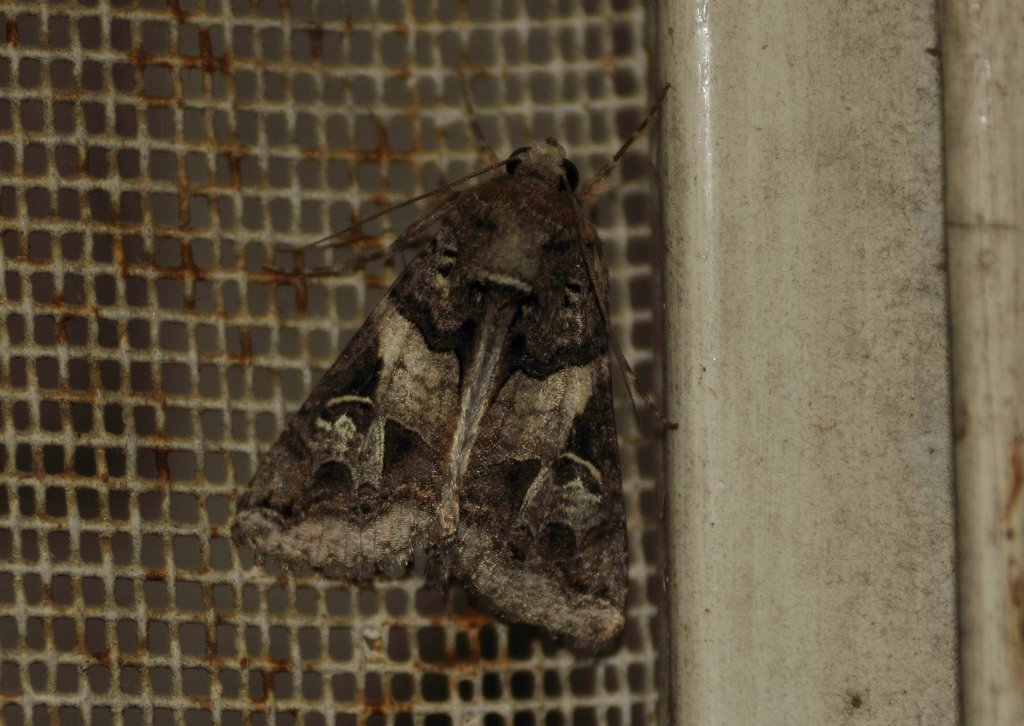
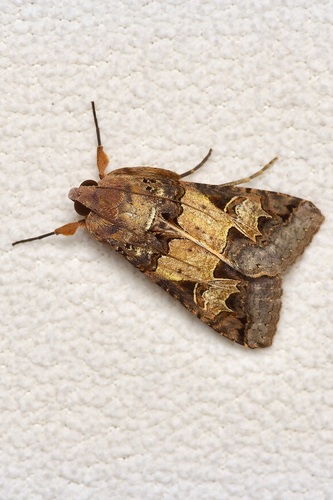
Males have a wingspan of about 47 mm and females about 48 mm. Adult males show a large square pale patch on the base of the forewings and a black band on the hindwings that stops before the anal angle. It occurs in Jamaica, Venezuela, parts of Mexico, El Salvador and the southern United States, including California, Arizona and Texas.
Source: Wikipedia
How to recognize it
Male moths have a big square pale spot on the basal part of the forewings. A black band runs across the hindwings but ends before the anal angle.
Source: Wikipedia
Where it is found in the US
Recorded in 4 of 51 states and DC. Most records: Texas, Arizona, California, New Mexico.
Darker = more records. Counts are museum and citizen-science records, not population size.
Source: GBIF
Months it is reported in the US
Source: GBIF
More photos
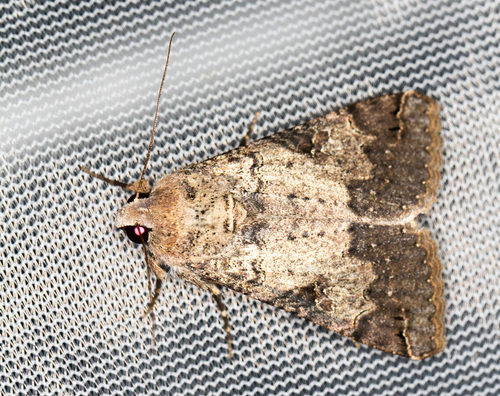
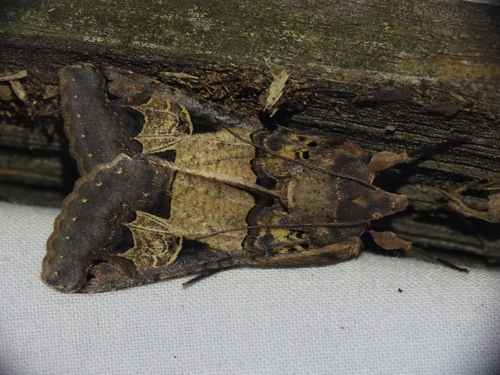
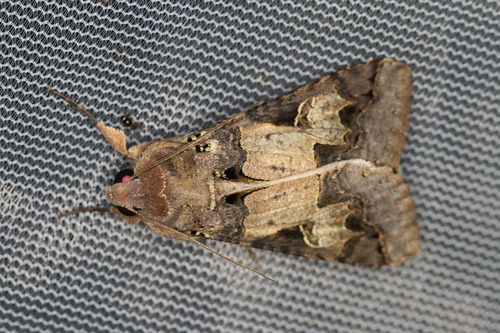
Questions people ask
How can I identify Melipotis agrotoides?
Look for a large square pale patch on the base of the forewings in males and a black band on the hindwings that stops before the anal angle.
Source: Wikipedia
How big is this moth?
Males are about 47 mm across and females about 48 mm in wingspan.
Source: Wikipedia
Where might I find this species?
It is found in Jamaica, Venezuela, parts of Mexico, El Salvador and the southern United States, including California, Arizona and Texas.
Source: Wikipedia
Same family (Erebidae)
 Spongy MothLymantria disparDamages trees, gardens or crops
 Fall Webworm MothHyphantria cuneaDamages trees, gardens or crops
 Brown-tail MothEuproctis chrysorrhoeaCan irritate skin
 Isabella Tiger MothPyrrharctia isabella
 Virginian Tiger MothSpilosoma virginicaCan irritate skin
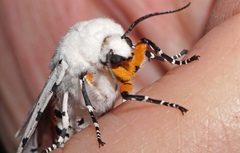 Salt Marsh MothEstigmene acreaDamages trees, gardens or crops
Sources
- Wikipedia: https://en.wikipedia.org/wiki/Melipotis_agrotoides
Look it up elsewhere: GBIF · iNaturalist · BugGuide · ITIS · Wikipedia
Text written 2026-10-27 from the sources above and checked sentence by sentence against them. Data fetched 2026-10-27.