 Bug FAQ
Keeled Treehopper
Entylia carinata · Order: Hemiptera · Family: Membracidae
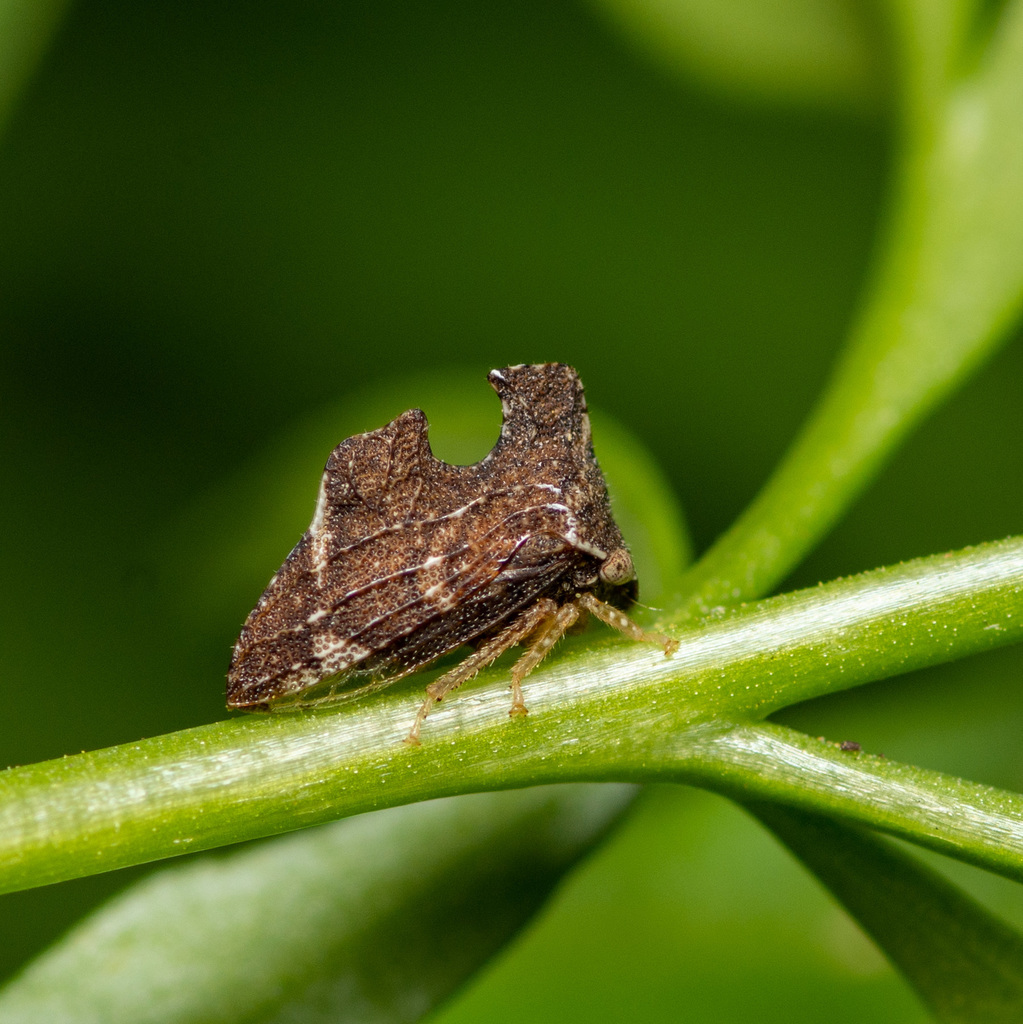
Female keeled treehoppers are about a quarter-inch long and have prominent saddle-shaped keels; males are smaller with less noticeable keels. They live on a wide range of plants such as asters, goldenrod, sunflowers, oaks and many others across North and South America. Adults overwinter in leaf litter, emerge in March, and lay eggs on aster leaves.
Source: Wikipedia
How to recognize it
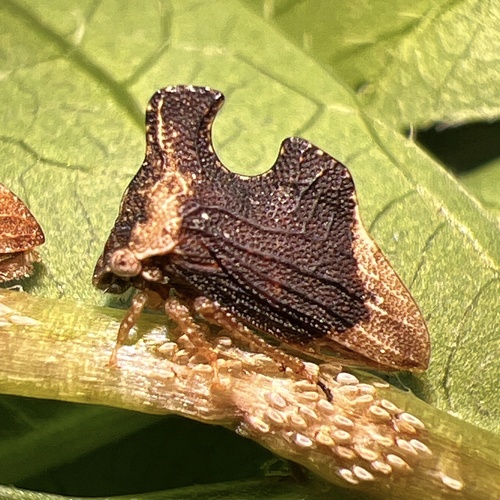
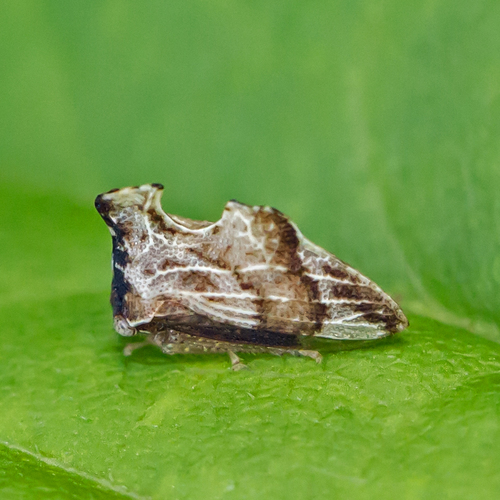
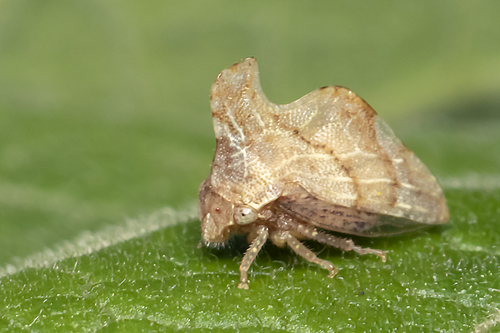
Males can look so different that they are sometimes misidentified.
Source: Wikipedia
Size
Females are about 6.35 mm long; males are smaller.
Source: Wikipedia
What it eats
They feed on plant sap by sucking phloem fluids. Plant sap lacks many essential nutrients such as certain amino acids.
Source: Wikipedia
Life cycle
Adults spend winter in leaf litter and debris, emerging in March. After emerging they reproduce and lay eggs on aster leaves.
Source: Wikipedia
When you see it
Adults overwinter in leaf litter and emerge in March.
Source: Wikipedia
Lookalikes
Males can look so different that they are sometimes misidentified.
Source: Wikipedia
Where it is found in the US
Recorded in 37 of 51 states and DC. Most records: North Carolina, Maryland, Virginia, Texas, Pennsylvania, Illinois, Ohio, Indiana.
Darker = more records. Counts are museum and citizen-science records, not population size.
Source: GBIF
Status: native in North America; native in Canada. Source: iNaturalist
Months it is reported in the US
Source: GBIF
More photos
Same family (Membracidae)
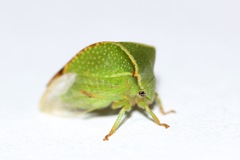 Buffalo TreehopperStictocephala bisoniaDamages trees, gardens or crops
 Horned TreehopperCentrotus cornutus
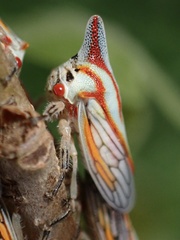 Oak TreehopperPlatycotis vittata
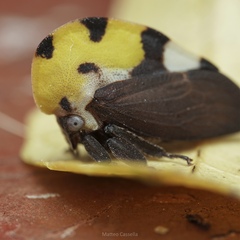 Mexican TreehopperMembracis mexicanaDamages trees, gardens or crops
 Three-cornered Alfalfa HopperSpissistilus festinusDamages trees, gardens or crops
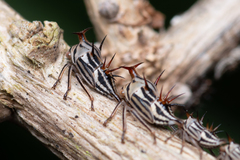 Lantana treehopperAconophora compressaDamages trees, gardens or crops
Sources
- Wikipedia: https://en.wikipedia.org/wiki/Entylia_carinata
Look it up elsewhere: GBIF · iNaturalist · BugGuide · Wikipedia
Text written 2026-10-22 from the sources above and checked sentence by sentence against them. Data fetched 2026-10-22.