 Bug FAQ
Guava Moth
Ophiusa disjungens · Order: Lepidoptera · Family: Erebidae
Also called: Moth
Source: Wikipedia
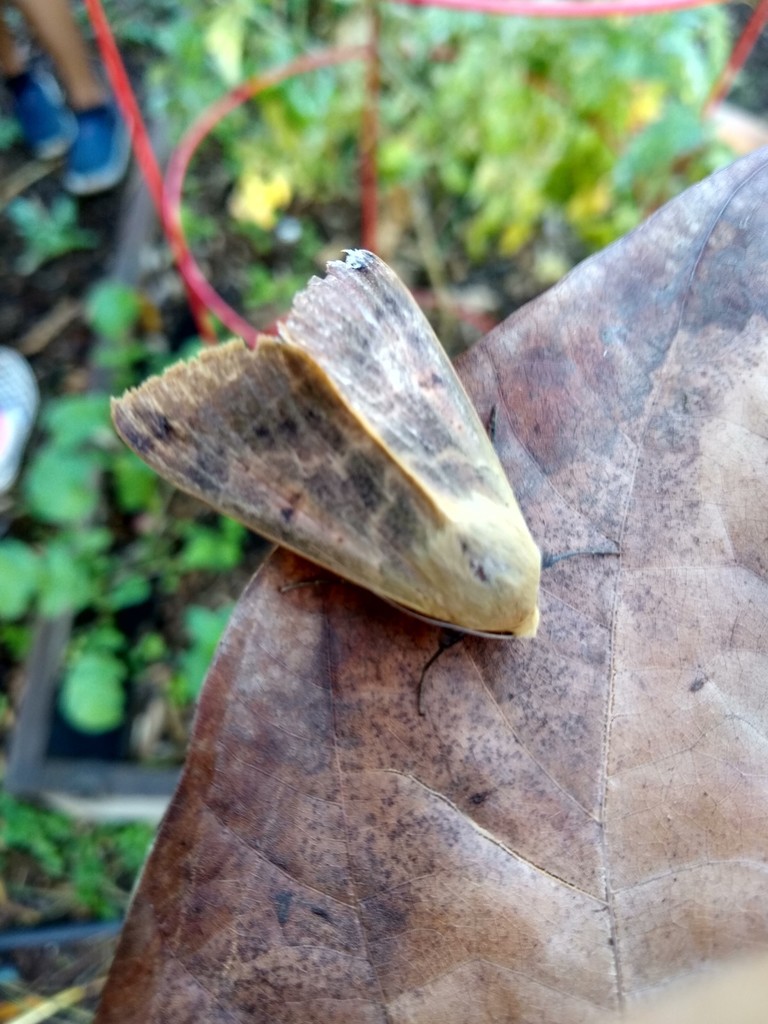
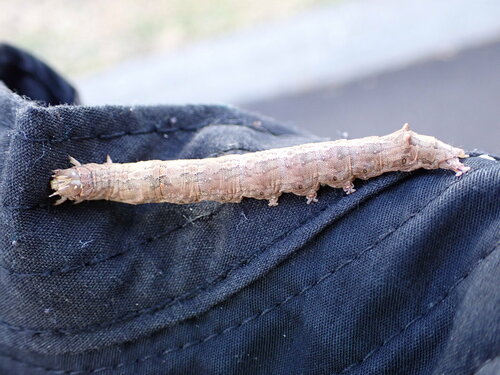
The adult Guava Moth pierces fruit, while the larvae feed on a range of Myrtaceae trees such as eucalyptus and guava.
Source: Wikipedia
How to recognize it
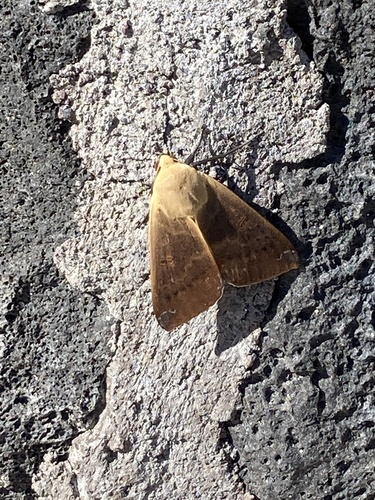
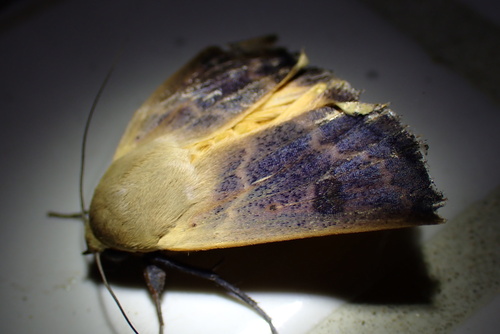
Forewings are yellow-grey without black specks and show a maculate line beyond the postmedial line. A grey-dark patch appears beyond the sub-apical spots, with little trace of a patch at the anal angle. A dentate sub-marginal line is present and the area beyond it is reddish. Hindwings are orange with only a sub-marginal medial black patch.
Source: Wikipedia
Is it a pest in the house?
Adults pierce fruit, making them a nuisance for growers and households.
Source: Wikipedia
Where it lives
It lives in southeast Asia and the South Pacific, including places like Thailand, Japan, Tonga, New South Wales and Queensland.
Source: Wikipedia
Where it comes from
Its range covers southeast Asia and the South Pacific, such as Thailand, Japan, Tonga, New South Wales and Queensland.
Source: Wikipedia
Lookalikes
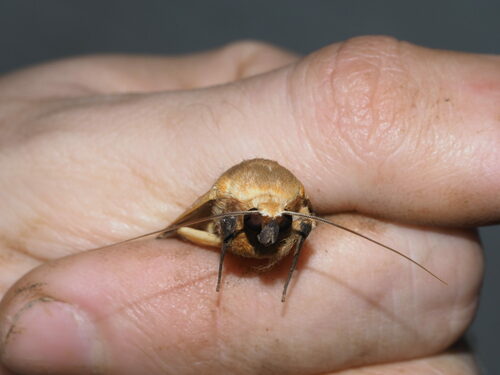
It resembles Ophiusa discriminans but has a yellow-grey head and thorax. Its abdomen lacks the black patch seen in similar species.
Source: Wikipedia
Where it is found in the US
Recorded in 1 of 51 states and DC. Most records: Hawaii.
Darker = more records. Counts are museum and citizen-science records, not population size.
Source: GBIF
Months it is reported in the US
Source: GBIF
More photos
Questions people ask
What plants do the larvae eat?
The caterpillars feed on Myrtaceae trees such as eucalyptus, Syncarpia glomulifera and guava.
Source: Wikipedia
Does the adult damage fruit?
Yes, adult moths pierce fruit, which can harm crops and stored produce.
Source: Wikipedia
How can I tell it apart from similar moths?
It has a yellow-grey head and thorax and an abdomen without a black patch, unlike Ophiusa discriminans.
Source: Wikipedia
Same family (Erebidae)
 Spongy MothLymantria disparDamages trees, gardens or crops
 Fall Webworm MothHyphantria cuneaDamages trees, gardens or crops
 Brown-tail MothEuproctis chrysorrhoeaCan irritate skin
 Isabella Tiger MothPyrrharctia isabella
 Virginian Tiger MothSpilosoma virginicaCan irritate skin
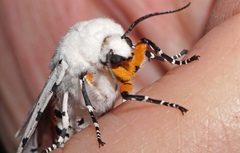 Salt Marsh MothEstigmene acreaDamages trees, gardens or crops
Sources
- Wikipedia: https://en.wikipedia.org/wiki/Ophiusa_disjungens
Look it up elsewhere: GBIF · iNaturalist · BugGuide · ITIS · Wikipedia
Text written 2026-10-28 from the sources above and checked sentence by sentence against them. Data fetched 2026-10-28.