 Bug FAQ
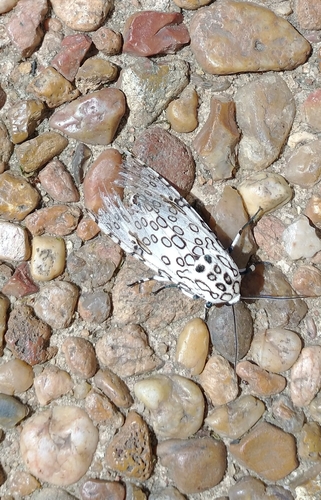
Giant Leopard Moth
Hypercompe scribonia · Order: Lepidoptera · Family: Erebidae
Also called: Eyed Tiger Moth
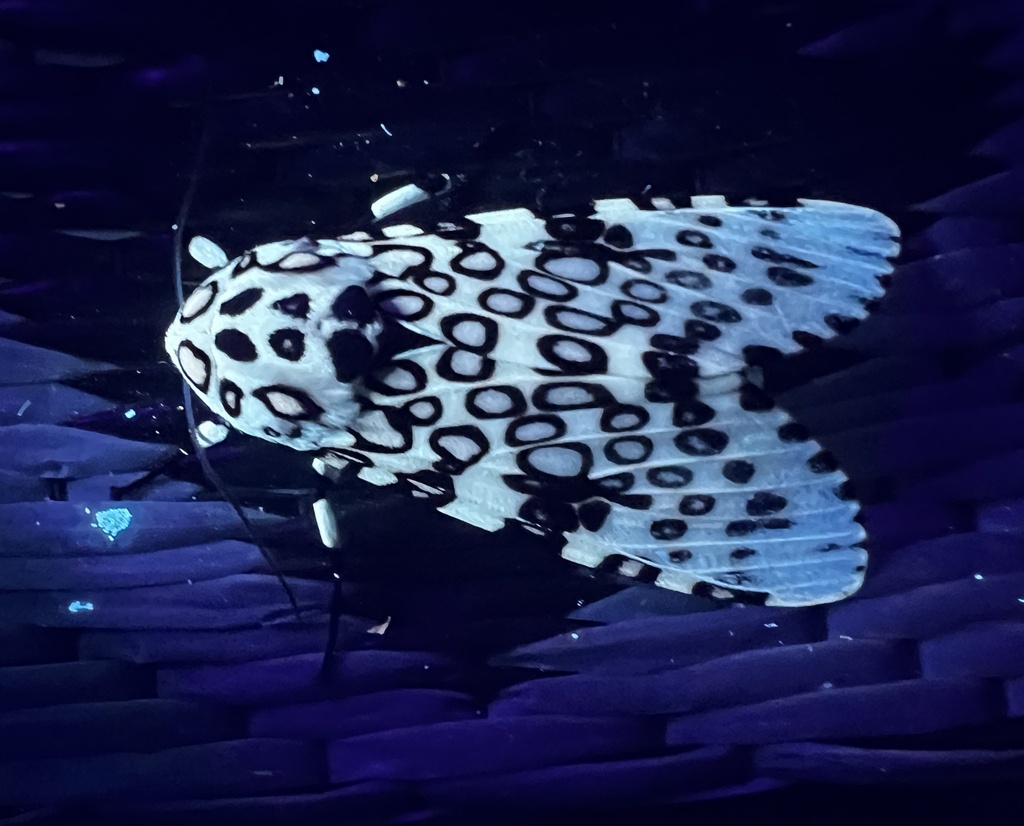
The Giant Leopard Moth has a wingspan of about 76 mm and shows size differences between males and females (male ~51 mm, female ~30 mm). Adults are nocturnal, fly from May to September in places like Missouri, and the species lives throughout much of North America from southern Canada to Colombia.
Source: Wikipedia
Size
Wingspan reaches about 76 mm (3 in). Males are about 51 mm (2 in) long, females about 30 mm (1.2 in).
Source: Wikipedia
Where it lives
Caterpillars overwinter under bark of decaying wood. Adults are strictly nocturnal and do not usually fly before nightfall.
Source: Wikipedia
What it eats
Caterpillars eat broadleaf plants such as plantains, dandelions, and violets.
Source: Wikipedia
Life cycle
The species needs two years to complete its life cycle. Caterpillars can grow up to 7.6 cm (3 in) long.
Source: Wikipedia
Where it comes from
Found from southern Ontario and the eastern United States down through Mexico to Colombia.
Source: Wikipedia
Lookalikes
It is sometimes still listed under the obsolete name Ecpantheria scribonia.
Source: Wikipedia
Where it is found in the US
Recorded in 38 of 51 states and DC. Most records: Texas, Pennsylvania, Florida, Ohio, North Carolina, Virginia, Maryland, Georgia.
Darker = more records. Counts are museum and citizen-science records, not population size.
Source: GBIF
Status: native in North America; native in Canada; native in United States. Source: iNaturalist
Months it is reported in the US
Source: GBIF
More photos
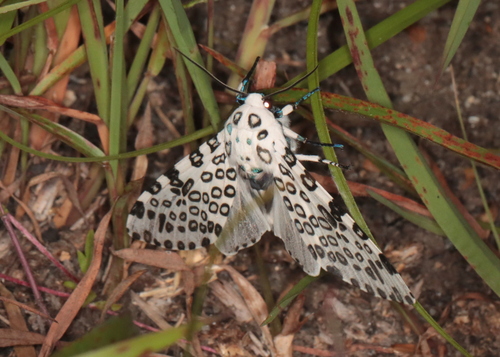
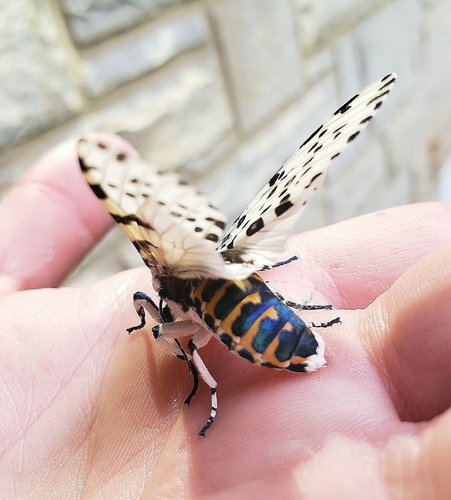
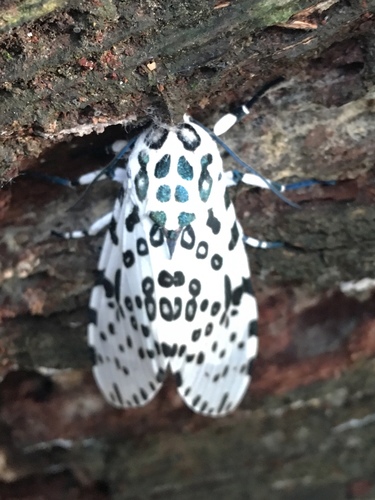
Same family (Erebidae)
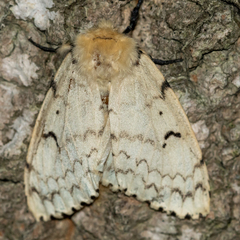 Spongy MothLymantria disparDamages trees, gardens or crops
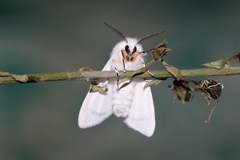 Fall Webworm MothHyphantria cuneaDamages trees, gardens or crops
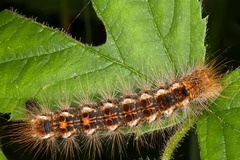 Brown-tail MothEuproctis chrysorrhoeaCan irritate skin
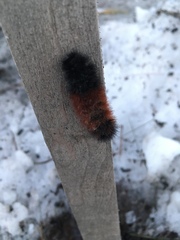 Isabella Tiger MothPyrrharctia isabella
 Virginian Tiger MothSpilosoma virginicaCan irritate skin
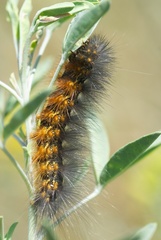 Salt Marsh MothEstigmene acrea
Sources
- Wikipedia: https://en.wikipedia.org/wiki/Giant_leopard_moth
Look it up elsewhere: GBIF · iNaturalist · BugGuide · ITIS · Wikipedia
Text written 2026-10-22 from the sources above and checked sentence by sentence against them. Data fetched 2026-10-22.