 Bug FAQ
Edwards' Wasp Moth
Lymire edwardsii · Order: Lepidoptera · Family: Erebidae
Source: Wikipedia
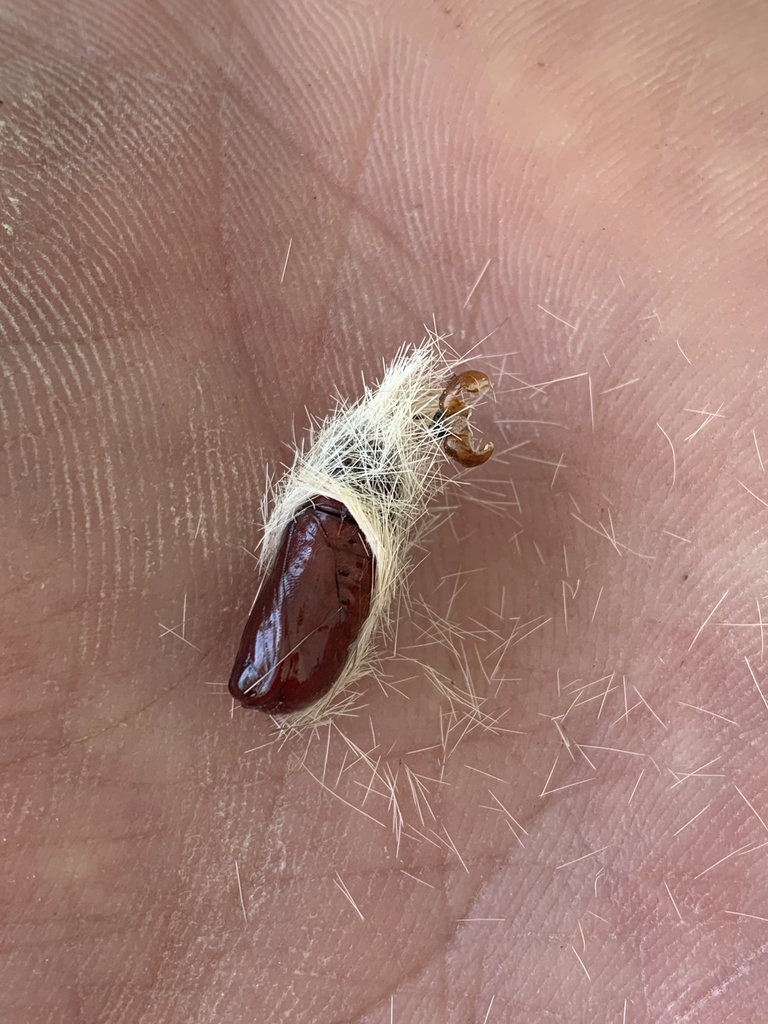
Edwards' wasp moth has a wingspan of about 35 to 40 mm and bluish-gray wings. It is found in southern Florida and the Caribbean, and adults are on the wing year round.
Source: Wikipedia
How to recognize it
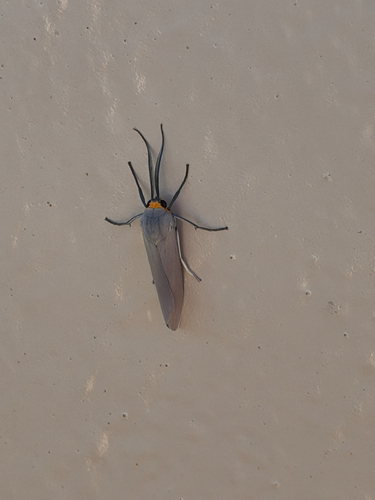
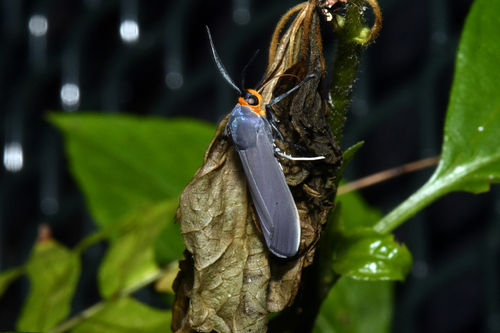
The adult’s wings are a bluish gray color.
Source: Wikipedia
Size
The moth’s wingspan ranges from 35 to 40 mm.
Source: Wikipedia
Where it lives
It lives in southern Florida and the Caribbean.
Source: Wikipedia
What it eats
Larvae feed on many Ficus species such as F. pedunculata, F. altissima, F. aurea, and others. They eat leaf margins or make holes in the leaves.
Source: Wikipedia
Life cycle
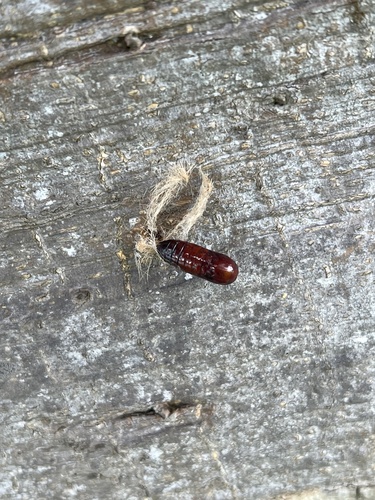
Pupation occurs on various non-host plants.
Source: Wikipedia
When you see it
Adults can be seen flying throughout the entire year.
Source: Wikipedia
Where it comes from
Its native range includes southern Florida in the United States and the Caribbean.
Source: Wikipedia
Where it is found in the US
Recorded in 3 of 51 states and DC. Most records: Florida, Kansas, Michigan.
Darker = more records. Counts are museum and citizen-science records, not population size.
Source: GBIF
Months it is reported in the US
Source: GBIF
More photos
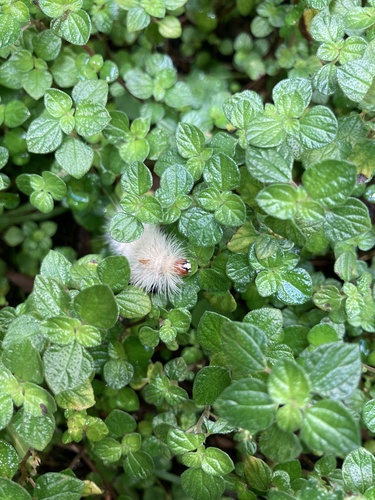
Questions people ask
What plants do the caterpillars eat?
The caterpillars feed on many types of ficus trees, chewing the leaf edges and making holes.
Source: Wikipedia
Where can I find Edwards' wasp moth?
It occurs in southern Florida and throughout the Caribbean.
Source: Wikipedia
Same family (Erebidae)
 Spongy MothLymantria disparDamages trees, gardens or crops
 Fall Webworm MothHyphantria cuneaDamages trees, gardens or crops
 Brown-tail MothEuproctis chrysorrhoeaCan irritate skin
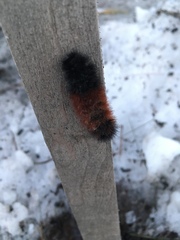 Isabella Tiger MothPyrrharctia isabella
 Virginian Tiger MothSpilosoma virginicaCan irritate skin
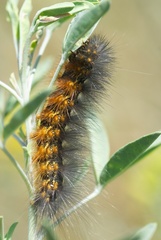 Salt Marsh MothEstigmene acrea
Sources
- Wikipedia: https://en.wikipedia.org/wiki/Lymire_edwardsii
Look it up elsewhere: GBIF · iNaturalist · BugGuide · ITIS · Wikipedia
Text written 2026-10-24 from the sources above and checked sentence by sentence against them. Data fetched 2026-10-24.