 Bug FAQ
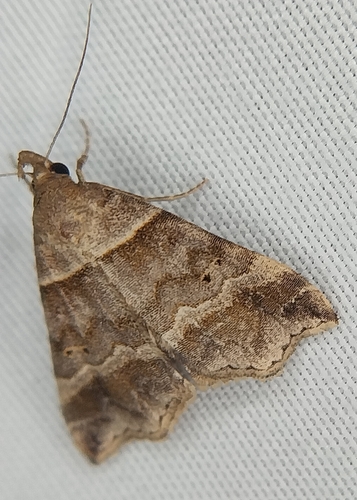
Dark-banded Owlet
Phalaenophana pyramusalis · Order: Lepidoptera · Family: Erebidae
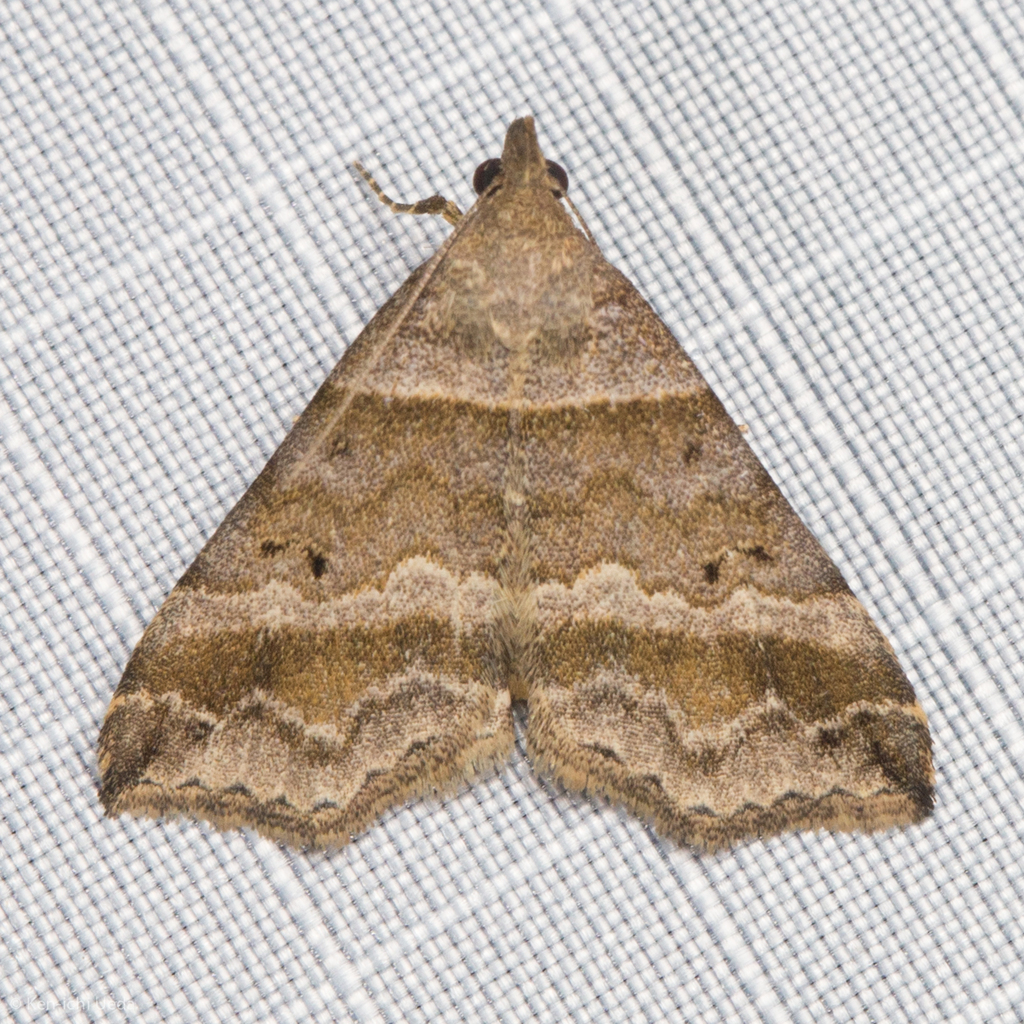
The dark-banded owlet moth has a wingspan of about 21 to 25 mm. It lives across much of North America, from Saskatchewan and Nova Scotia down to North Carolina and Texas. Its larvae eat dead, moist, blackened leaves, and the species can produce two or more generations each year.
Source: Wikipedia
How to recognize it
Phalaenophana pyramusalis, called the dark-banded owlet, belongs to the moth family Erebidae.
Source: Wikipedia
Size
Adults have a wingspan ranging from 21 to 25 mm.
Source: Wikipedia
What it eats
The caterpillars feed on dead leaves, preferring those that are moist, blackened and decaying.
Source: Wikipedia
Life cycle
There are two or more generations each year.
Source: Wikipedia
When you see it
In Alberta, adults are on the wing from June through July.
Source: Wikipedia
Where it is found in the US
Recorded in 37 of 51 states and DC. Most records: Pennsylvania, Maryland, Ohio, New York, Virginia, Vermont, Massachusetts, Michigan.
Darker = more records. Counts are museum and citizen-science records, not population size.
Source: GBIF
Status: native in North America; native in Canada; native in United States. Source: iNaturalist
Months it is reported in the US
Source: GBIF
More photos
Same family (Erebidae)
 Spongy MothLymantria disparDamages trees, gardens or crops
 Fall Webworm MothHyphantria cuneaDamages trees, gardens or crops
 Brown-tail MothEuproctis chrysorrhoeaCan irritate skin
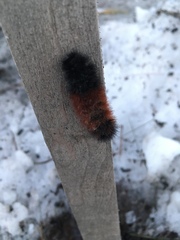 Isabella Tiger MothPyrrharctia isabella
 Virginian Tiger MothSpilosoma virginicaCan irritate skin
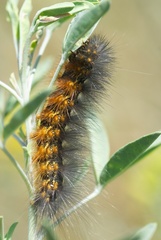 Salt Marsh MothEstigmene acrea
Sources
- Wikipedia: https://en.wikipedia.org/wiki/Phalaenophana_pyramusalis
Look it up elsewhere: GBIF · iNaturalist · BugGuide · ITIS · Wikipedia
Text written 2026-10-22 from the sources above and checked sentence by sentence against them. Data fetched 2026-10-22.