 Bug FAQ
Consort Underwing
Catocala consors · Order: Lepidoptera · Family: Erebidae
Also called: Consort Underwing Moth
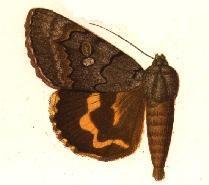
The consort underwing is a moth in the family Erebidae. Its wingspan exceeds 70 mm and adults fly from April through July depending on location. The caterpillars eat Amorpha fructicosa and various hickory (Carya) species.
Source: Wikipedia
How to recognize it
Catocala consors, known as the consort underwing, belongs to the moth family Erebidae.
Source: Wikipedia
Size
Its wingspan is over 70 mm.
Source: Wikipedia
What it eats
Larvae feed on the plants Amorpha fructicosa and species of the hickory genus Carya.
Source: Wikipedia
Life cycle
There is one generation each year.
Source: Wikipedia
When you see it
Adults are on the wing from April to July, varying with location.
Source: Wikipedia
Where it comes from
Its range covers the eastern United States from New England down to the Gulf Coast and west to Texas and eastern Oklahoma.
Source: Wikipedia
Where it is found in the US
Recorded in 16 of 51 states and DC. Most records: Florida, Texas, Oklahoma, New York, Kansas, Missouri, Mississippi, Illinois.
Darker = more records. Counts are museum and citizen-science records, not population size.
Source: GBIF
Status: native in United States. Source: iNaturalist
Months it is reported in the US
Source: GBIF
More photos
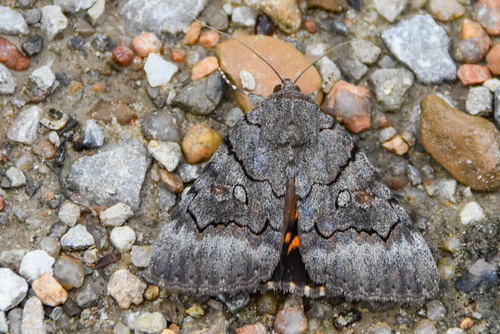
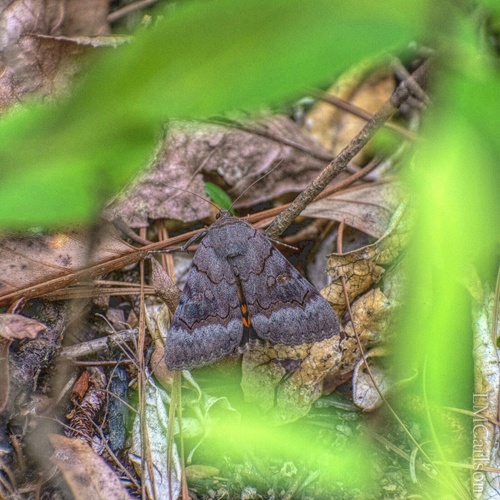
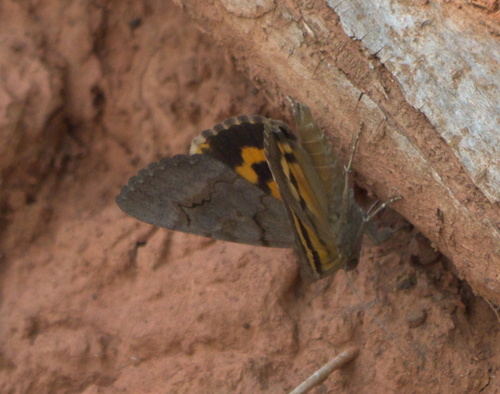
Questions people ask
When can I see adult consort underwings?
Adults are active from April through July, depending on where you are.
Source: Wikipedia
What do the caterpillars eat?
The larvae feed on Amorpha fructicosa and on hickory trees (Carya species).
Source: Wikipedia
Same family (Erebidae)
 Spongy MothLymantria disparDamages trees, gardens or crops
 Fall Webworm MothHyphantria cuneaDamages trees, gardens or crops
 Brown-tail MothEuproctis chrysorrhoeaCan irritate skin
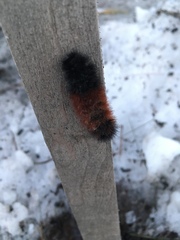 Isabella Tiger MothPyrrharctia isabella
 Virginian Tiger MothSpilosoma virginicaCan irritate skin
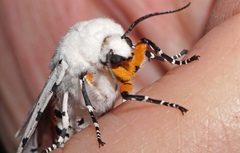 Salt Marsh MothEstigmene acreaDamages trees, gardens or crops
Sources
- Wikipedia: https://en.wikipedia.org/wiki/Catocala_consors
Look it up elsewhere: GBIF · iNaturalist · BugGuide · ITIS · Wikipedia
Text written 2026-10-26 from the sources above and checked sentence by sentence against them. Data fetched 2026-10-26.