 Bug FAQ
Cape Ivy Moth
Diota rostrata · Order: Lepidoptera · Family: Erebidae
Source: Wikipedia
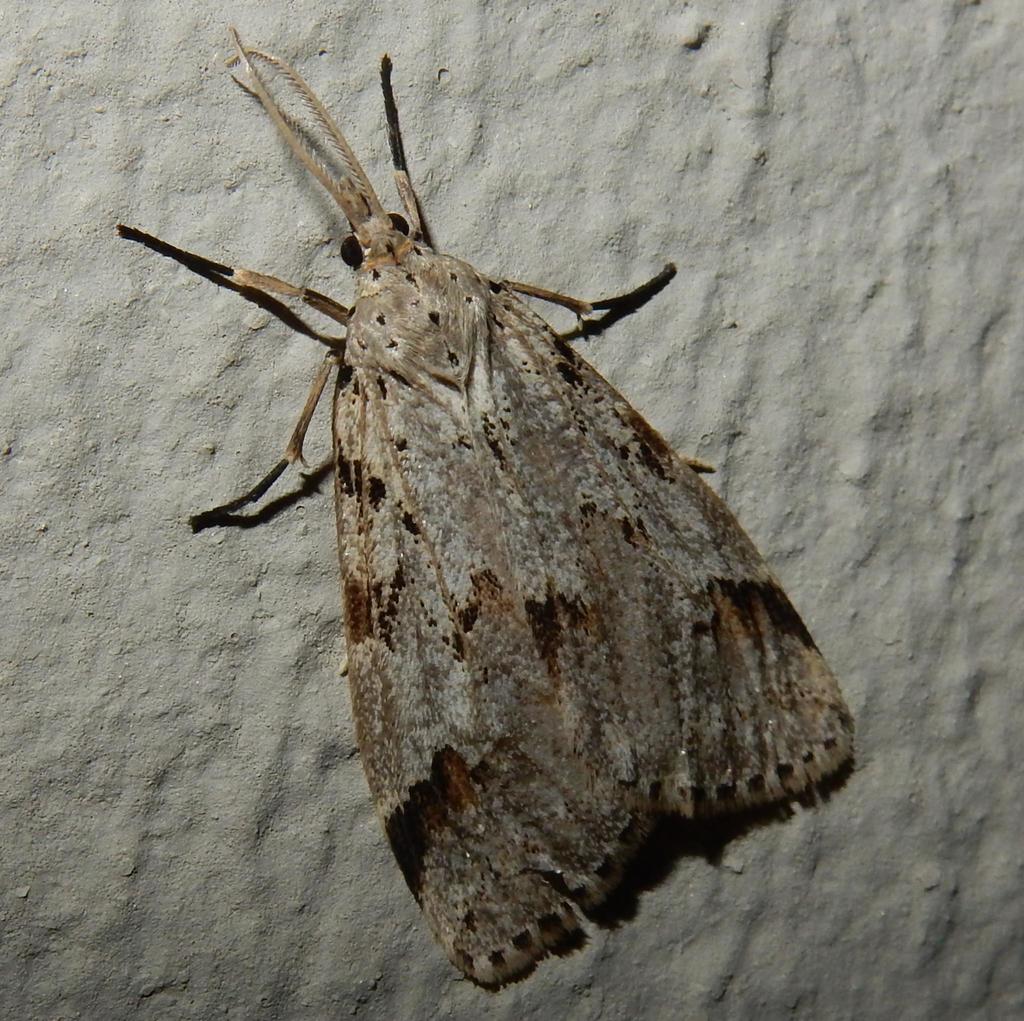
Adults have cream-colored forewings with brown mottling and black dots. Forewing length is about 13 to 16 mm.
Source: Wikipedia
Size
The forewings measure 13 to 16 mm long.
Source: Wikipedia
What it eats
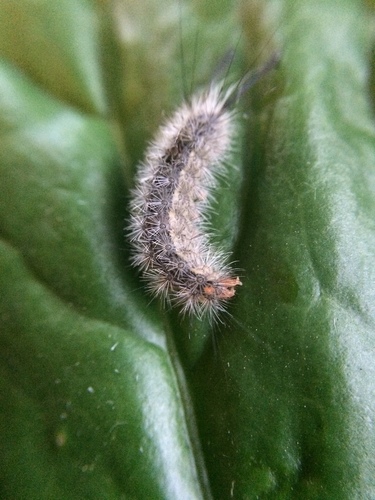
Larvae eat many plants, including several Senecio species, Delairea odorata, Mikaniopsis cissampelina, Kleinia abyssinica, safflower, carrot and Bidens pilosa.
Source: Wikipedia
Lookalikes
Diota rostrata belongs to the subfamily Arctiinae and was first described in 1860.
Source: Wikipedia
More photos
Questions people ask
What do the caterpillars eat?
They feed on a wide range of plants such as Senecio species, carrot, safflower and other garden weeds.
Source: Wikipedia
Same family (Erebidae)
 Spongy MothLymantria disparDamages trees, gardens or crops
 Fall Webworm MothHyphantria cuneaDamages trees, gardens or crops
 Brown-tail MothEuproctis chrysorrhoeaCan irritate skin
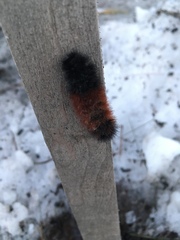 Isabella Tiger MothPyrrharctia isabella
 Virginian Tiger MothSpilosoma virginicaCan irritate skin
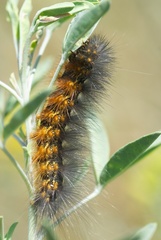 Salt Marsh MothEstigmene acrea
Sources
- Wikipedia: https://en.wikipedia.org/wiki/Diota_rostrata
Look it up elsewhere: GBIF · iNaturalist · BugGuide · Wikipedia
Text written 2026-10-23 from the sources above and checked sentence by sentence against them. Data fetched 2026-10-23.