 Bug FAQ
Waterlily aphid
Rhopalosiphum nymphaeae · Order: Hemiptera · Family: Aphididae
Also called: Water Lily Aphid
Source: Wikipedia
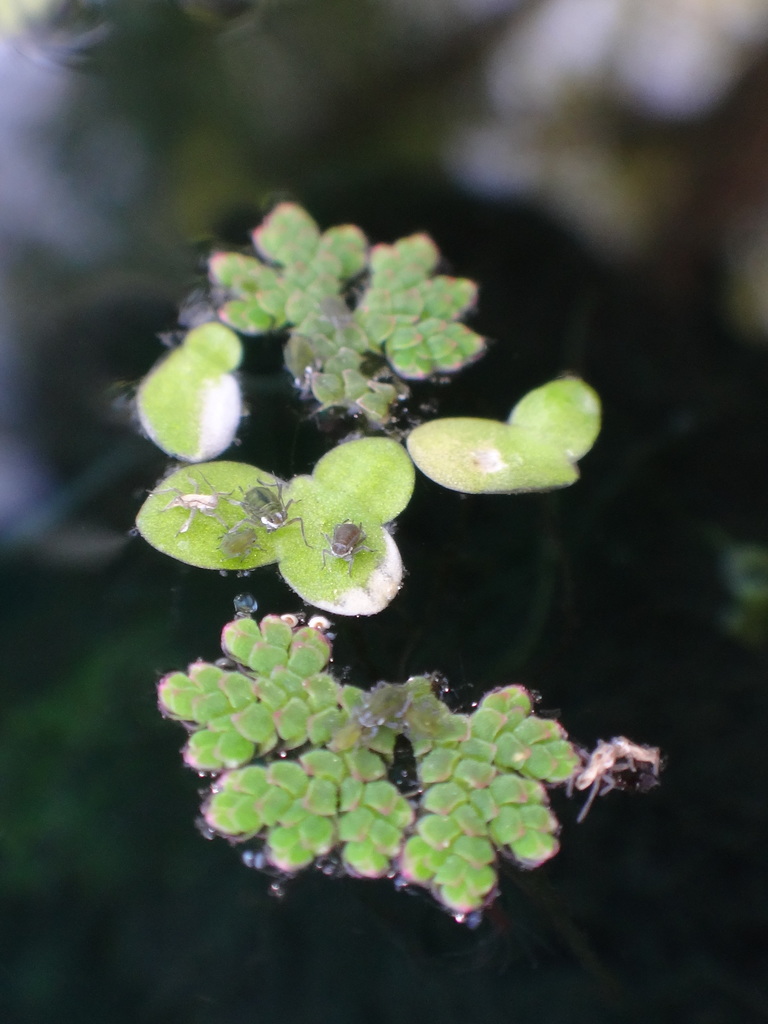
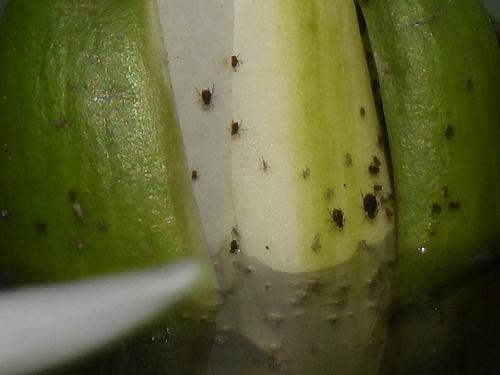
The waterlily aphid is about the same size as other aphids. Heavy infestations make water lily leaves curl, turn withered and fade.
Source: Wikipedia
How to recognize it
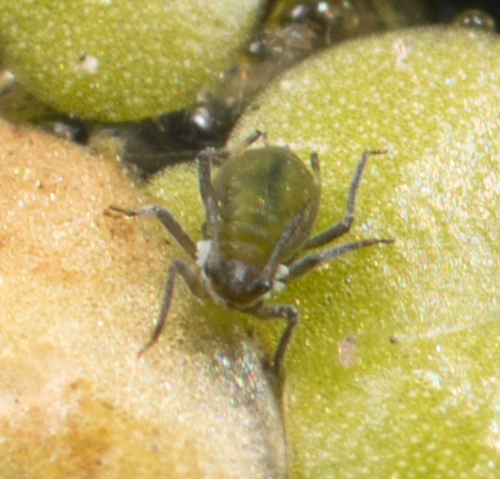
It has the typical markings of an aphid.
Source: Wikipedia
Size
Its body size is typical for aphids.
Source: Wikipedia
Is it a pest in the house?
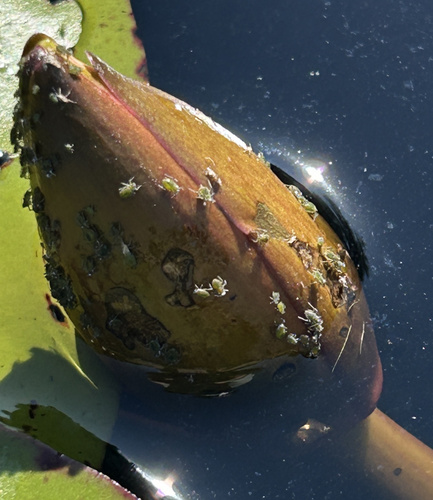
High numbers cause water lily leaves to curl up, turn withered and faded.
Source: Wikipedia
How to get rid of it
Remove infested lily leaves and heat them under black plastic in the sun; pesticides may be problematic.
Source: Wikipedia
Where it lives
It lives in Europe.
Source: Wikipedia
Life cycle
It produces six to eight generations each year, with eggs overwintering on shrubby plants.
Source: Wikipedia
Where it comes from
Its native range is Europe.
Source: Wikipedia
Where it is found in the US
Recorded in 26 of 51 states and DC. Most records: California, Illinois, New York, New Jersey, Ohio, Indiana, Massachusetts, Florida.
Darker = more records. Counts are museum and citizen-science records, not population size.
Source: GBIF
Months it is reported in the US
Source: GBIF
More photos
Questions people ask
How can I control waterlily aphids?
Remove the damaged lily leaves and heat them under black plastic in the sun; chemical pesticides can be problematic.
Source: Wikipedia
What damage do waterlily aphids cause?
Heavy infestations make water lily leaves curl, wither and fade.
Source: Wikipedia
Same family (Aphididae)
 Melon AphidAphis gossypiiDamages trees, gardens or crops
 Oleander AphidAphis neriiDamages trees, gardens or crops
 Witch-hazel Cone Gall AphidHormaphis hamamelidis
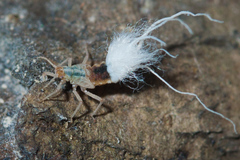 Beech Blight AphidGrylloprociphilus imbricatorDamages trees, gardens or crops
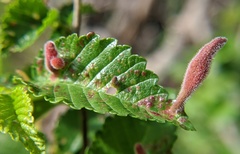 Rice Root AphidTetraneura nigriabdominalis
 Rose AphidMacrosiphum rosaeDamages trees, gardens or crops
Sources
- Wikipedia: https://en.wikipedia.org/wiki/Rhopalosiphum_nymphaeae
Look it up elsewhere: GBIF · iNaturalist · BugGuide · ITIS · Wikipedia
Text written 2026-10-27 from the sources above and checked sentence by sentence against them. Data fetched 2026-10-26.