 Bug FAQ
Manzanita Leafgall Aphid
Tamalia coweni · Order: Hemiptera · Family: Aphididae

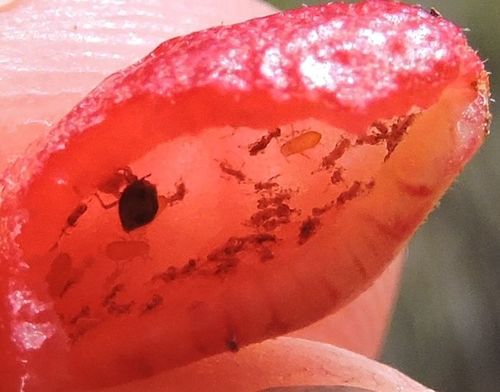
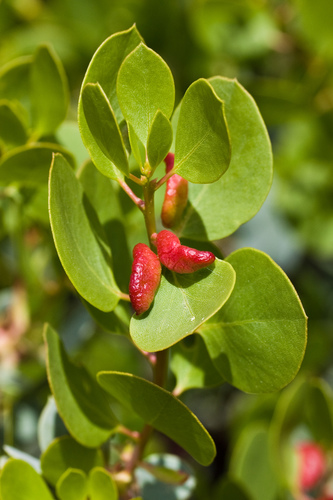
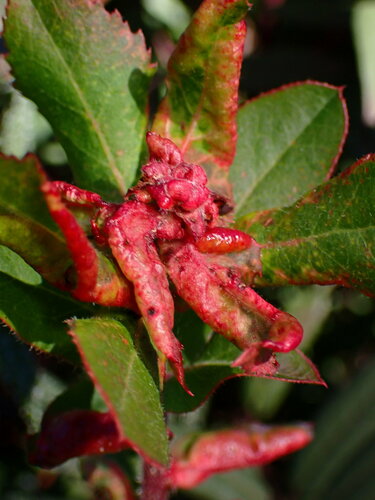
It lives along the Pacific coast of North America and its range extends east to Nevada and Colorado. Related species include Tamalia inquilina, which lives in the Californias, and the recently described Tamalia glaucensis that makes galls on big-berry manzanita.
Source: Wikipedia
How to recognize it
Tamalia coweni is an aphid species in the family Aphididae.
Source: Wikipedia
Where it comes from
Its native range includes the Pacific coast of North America and extends east to Nevada and Colorado.
Source: Wikipedia
Lookalikes
Tamalia inquilina is an inquiline species that occurs in the Californias. Tamalia glaucensis is a newly described species that induces leaf galls on big-berry manzanita.
Source: Wikipedia
Where it is found in the US
Recorded in 14 of 51 states and DC. Most records: California, Oregon, Arizona, Washington, Minnesota, Colorado, Massachusetts, Nevada.
Darker = more records. Counts are museum and citizen-science records, not population size.
Source: GBIF
Status: native in North America; native in Canada; native in United States. Source: iNaturalist
Months it is reported in the US
Source: GBIF
More photos

Questions people ask
Where is the manzanita leaf gall aphid found?
It is found along the Pacific coast of North America and as far east as Nevada and Colorado.
Source: Wikipedia
What other aphid species are similar to the manzanita leaf gall aphid?
Tamalia inquilina lives in the Californias, and Tamalia glaucensis makes galls on big-berry manzanita.
Source: Wikipedia
Same family (Aphididae)
 Melon AphidAphis gossypiiDamages trees, gardens or crops
 Oleander AphidAphis neriiDamages trees, gardens or crops
 Witch-hazel Cone Gall AphidHormaphis hamamelidis
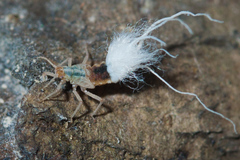 Beech Blight AphidGrylloprociphilus imbricatorDamages trees, gardens or crops
 Rice Root AphidTetraneura akinire
 Giant Willow AphidTuberolachnus salignusDamages trees, gardens or crops
Sources
- Wikipedia: https://en.wikipedia.org/wiki/Tamalia_coweni
Look it up elsewhere: GBIF · iNaturalist · BugGuide · Wikipedia
Text written 2026-10-22 from the sources above and checked sentence by sentence against them. Data fetched 2026-10-22.