 Bug FAQ
Lime Leaf Aphid
Eucallipterus tiliae · Order: Hemiptera · Family: Aphididae
Also called: Aphid, Lime Aphid, Linden Aphid
Source: Wikipedia
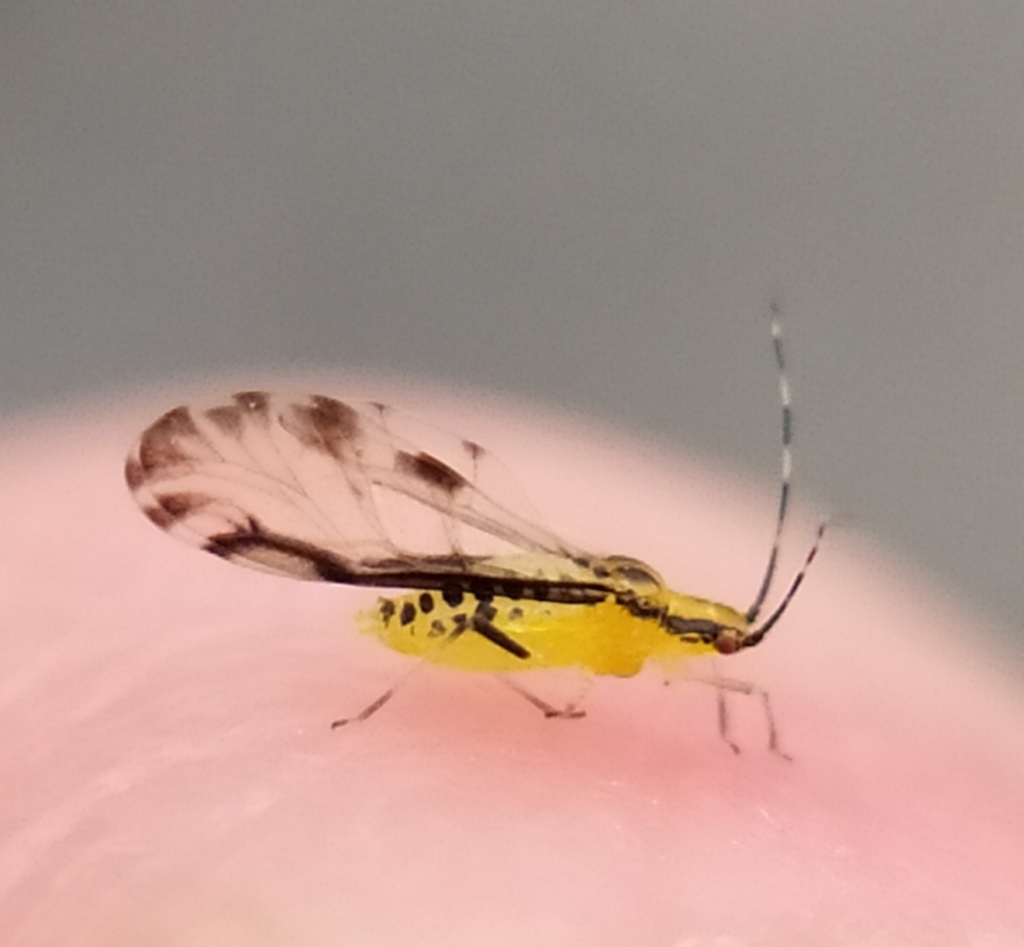
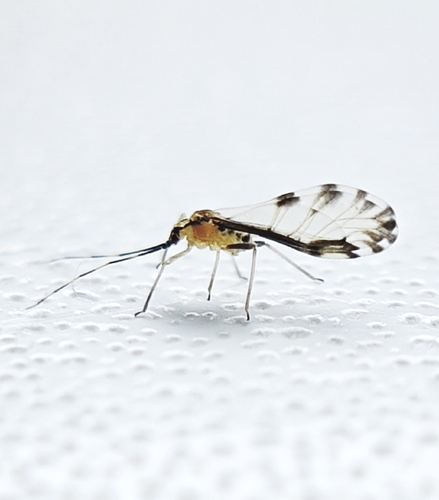
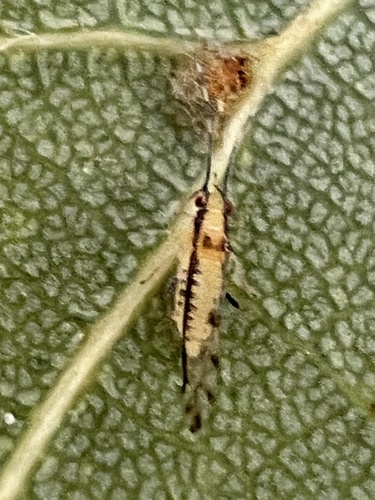
Adults show a distinct black stripe along the body and a darkened edge on the wings, making them easy to spot on ornamental trees. They feed on the sap of Tilia leaves, with young aphids restricted to small veins and older ones able to use larger veins. Large groups produce honeydew that falls to the ground and encourages black mould growth on the foliage.
Source: Wikipedia
Is it a pest in the house?
They excrete honeydew that drips onto the ground and promotes black mould growth on the leaves below.
Source: Wikipedia
Where it lives
They are commonly found on ornamental trees planted along streets and parking areas.
Source: Wikipedia
What it eats
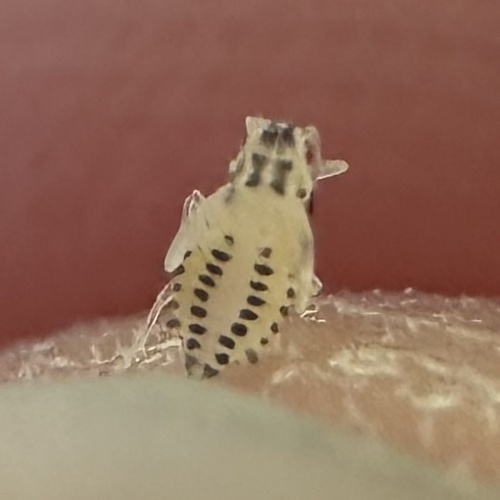
Young aphids feed only on the smaller leaf veins because their short stylets cannot pierce the lignified tissue of larger veins.
Source: Wikipedia
Life cycle
Their numbers rise steadily throughout the host plant’s growing season, and they tend to form large, gregarious clusters.
Source: Wikipedia
Where it comes from
Originally native to Eurasia, they now occur worldwide wherever lime (Tilia) trees grow.
Source: Wikipedia
Where it is found in the US
Recorded in 24 of 51 states and DC. Most records: Utah, Massachusetts, New York, Washington, Indiana, Michigan, Pennsylvania, Illinois.
Darker = more records. Counts are museum and citizen-science records, not population size.
Source: GBIF
Months it is reported in the US
Source: GBIF
More photos
Questions people ask
Why is there sticky residue on my sidewalk near lime trees?
The aphids produce honeydew that falls to the ground, creating a sticky film and encouraging black mould on nearby leaves.
Source: Wikipedia
Same family (Aphididae)
 Melon AphidAphis gossypiiDamages trees, gardens or crops
 Oleander AphidAphis neriiDamages trees, gardens or crops
 Witch-hazel Cone Gall AphidHormaphis hamamelidis
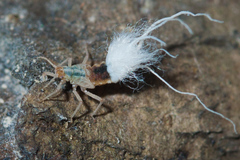 Beech Blight AphidGrylloprociphilus imbricatorDamages trees, gardens or crops
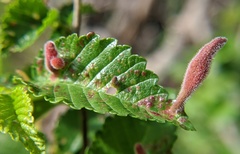 Rice Root AphidTetraneura nigriabdominalis
 Rose AphidMacrosiphum rosaeDamages trees, gardens or crops
Sources
- Wikipedia: https://en.wikipedia.org/wiki/Eucallipterus_tiliae
Look it up elsewhere: GBIF · iNaturalist · BugGuide · Wikipedia
Text written 2026-10-27 from the sources above and checked sentence by sentence against them. Data fetched 2026-10-27.