 Bug FAQ
Brownheaded Ash Sawfly
Tomostethus multicinctus · Order: Hymenoptera · Family: Tenthredinidae
Source: Wikipedia
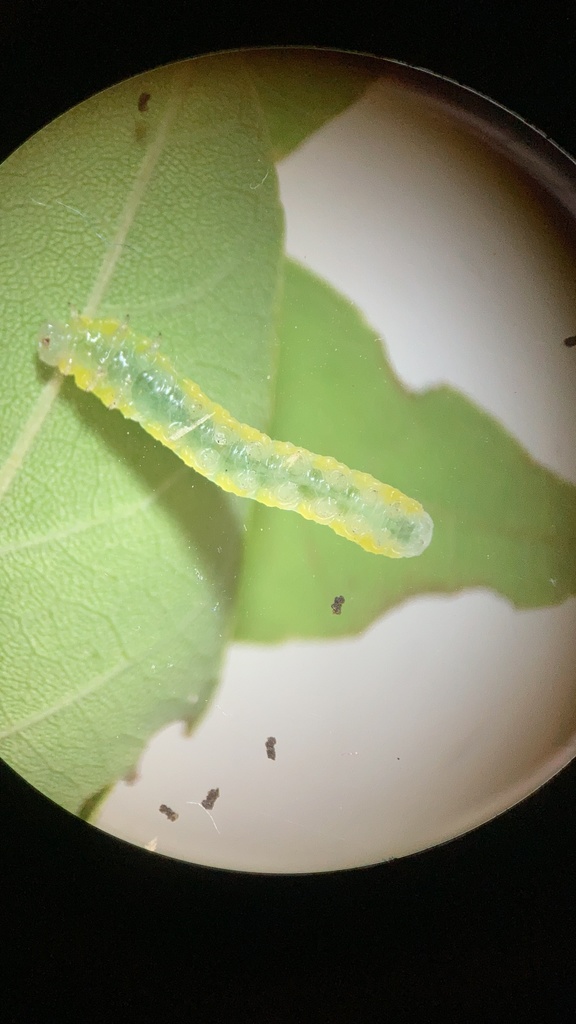
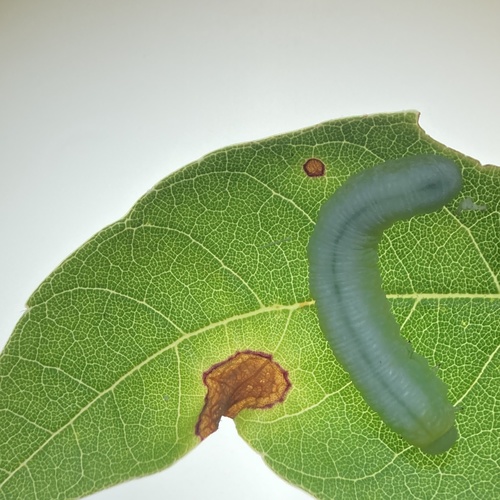
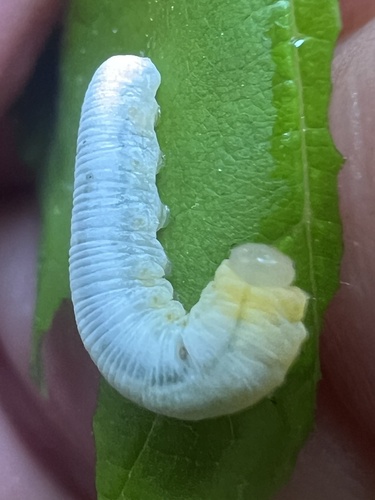
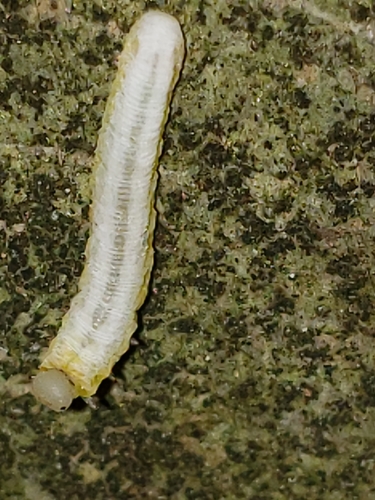
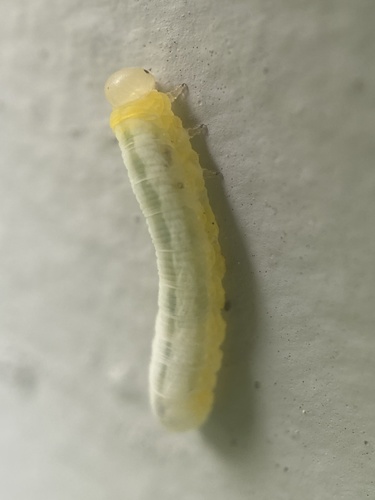
Larvae feed on ash leaves and can completely defoliate a tree within a week during heavy infestations. One generation appears each year; eggs are laid in late spring, larvae develop on new leaves, and adults emerge in early spring when ash buds open.
Source: Wikipedia
How to recognize it
Adult brownheaded ash sawflies are black and they do not sting. Females have a saw-like structure at the end of their abdomen for cutting slits in leaves.
Source: Wikipedia
Is it a pest in the house?
They are pests of green, red, and white ash trees, and any ash species can be affected. A heavy infestation can strip a tree of its leaves in about a week.
Source: Wikipedia
How to get rid of it
- A strong spray of water or soapy water can dislodge larvae from the tree.
- Garden-approved insecticides applied early in the infestation can kill the larvae.
Source: Wikipedia
Life cycle
There is one generation of larvae each year; new leaves grow after they finish feeding. They pupate in cocoons in early spring and emerge as adults when ash leaves begin to unfurl.
Source: Wikipedia
When you see it
Females lay groups of eggs in slits on emerging leaflets in late spring.
Source: Wikipedia
Where it is found in the US
Recorded in 17 of 51 states and DC. Most records: Illinois, Kansas, North Carolina, Texas, Virginia, District of Columbia, Nebraska, Ohio.
Darker = more records. Counts are museum and citizen-science records, not population size.
Source: GBIF
Status: native in North America; native in Canada. Source: iNaturalist
Months it is reported in the US
Source: GBIF
More photos
Questions people ask
How can I get rid of brownheaded ash sawfly larvae?
Use a hose or soapy water to wash the larvae off the leaves, and apply a garden-safe insecticide early in the outbreak.
Source: Wikipedia
Do brownheaded ash sawflies bite or sting?
Adults are black and do not sting; they have no biting mouthparts.
Source: Wikipedia
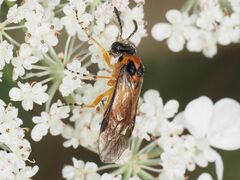
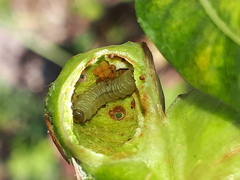
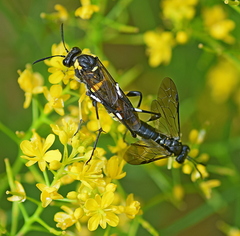
Same family (Tenthredinidae)


Sources
- Wikipedia: https://en.wikipedia.org/wiki/Tomostethus_multicinctus
Look it up elsewhere: GBIF · iNaturalist · BugGuide · ITIS · Wikipedia
Text written 2026-10-27 from the sources above and checked sentence by sentence against them. Data fetched 2026-10-27.