 Bug FAQ
Zilla Orbweaver
Zilla diodia · Order: Araneae · Family: Araneidae
Also called: zilla diodia
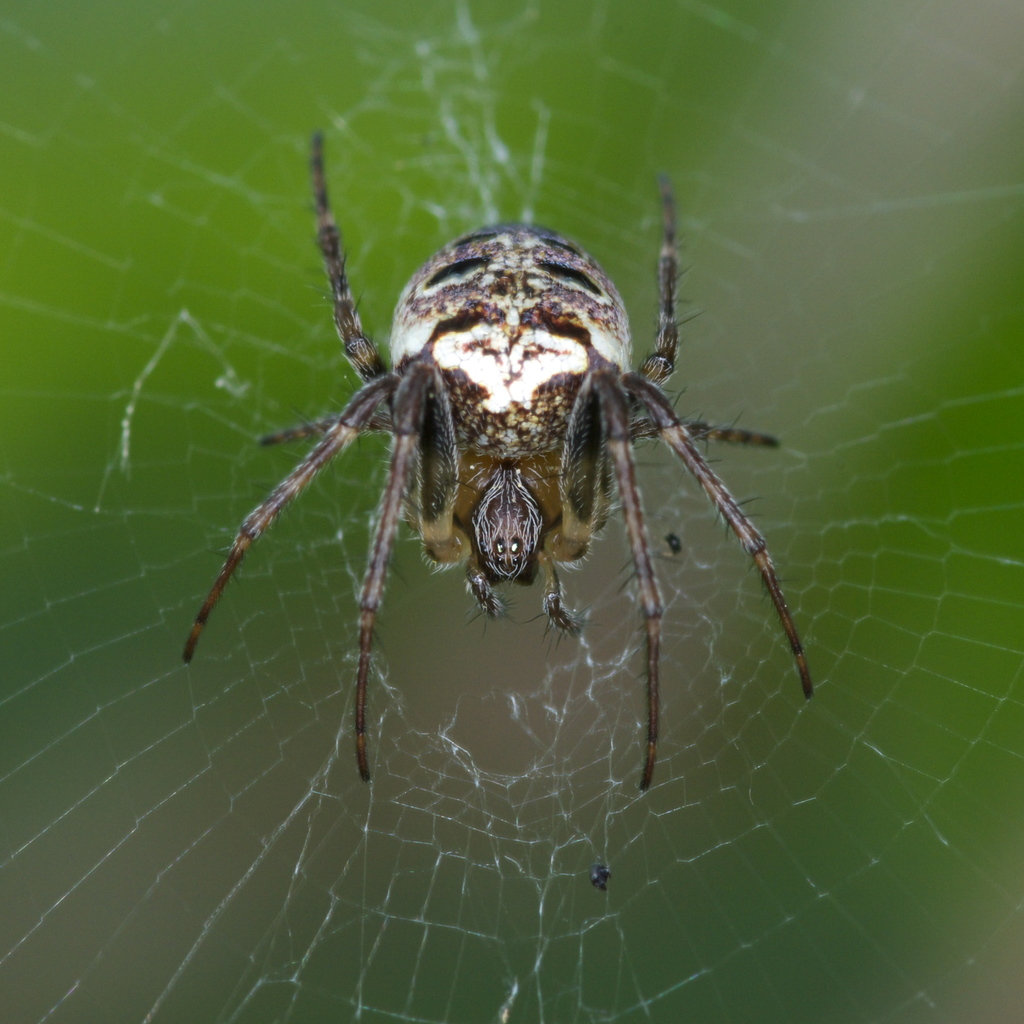
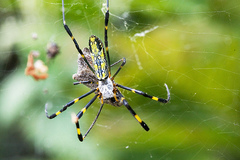
The Zilla orbweaver spins very fine, vertical orb webs that often have more than fifty radii and sticky spiral loops. It lives across a range that stretches from Europe all the way to Azerbaijan. The species was first described by Charles Athanase Walckenaer in 1802 under the name Aranea diodia.
Source: Wikipedia
How to recognize it
Its web is a fine, vertical orb with many radii and sticky spirals.
Source: Wikipedia
Where it lives
It is found from Europe to Azerbaijan.
Source: Wikipedia
Where it comes from
Its native range extends from Europe to Azerbaijan.
Source: Wikipedia
Lookalikes
It was originally described as Aranea diodia by Walckenaer in 1802.
Source: Wikipedia
More photos

Questions people ask
What does the Zilla orbweaver's web look like?
It builds a fine, vertical orb web with many radii and sticky spiral loops.
Source: Wikipedia
Where is the Zilla orbweaver found?
It occurs across Europe and reaches as far east as Azerbaijan.
Source: Wikipedia
What was the original scientific name of Zilla diodia?
It was first named Aranea diodia by Walckenaer in 1802.
Source: Wikipedia
Same family (Araneidae)


Sources
- Wikipedia: https://en.wikipedia.org/wiki/Zilla_diodia
Look it up elsewhere: GBIF · iNaturalist · BugGuide · ITIS · Wikipedia
Text written 2026-10-22 from the sources above and checked sentence by sentence against them. Data fetched 2026-10-22.