 Bug FAQ
Western Tent Caterpillar Moth
Malacosoma californica · Order: Lepidoptera · Family: Lasiocampidae
Source: Wikipedia
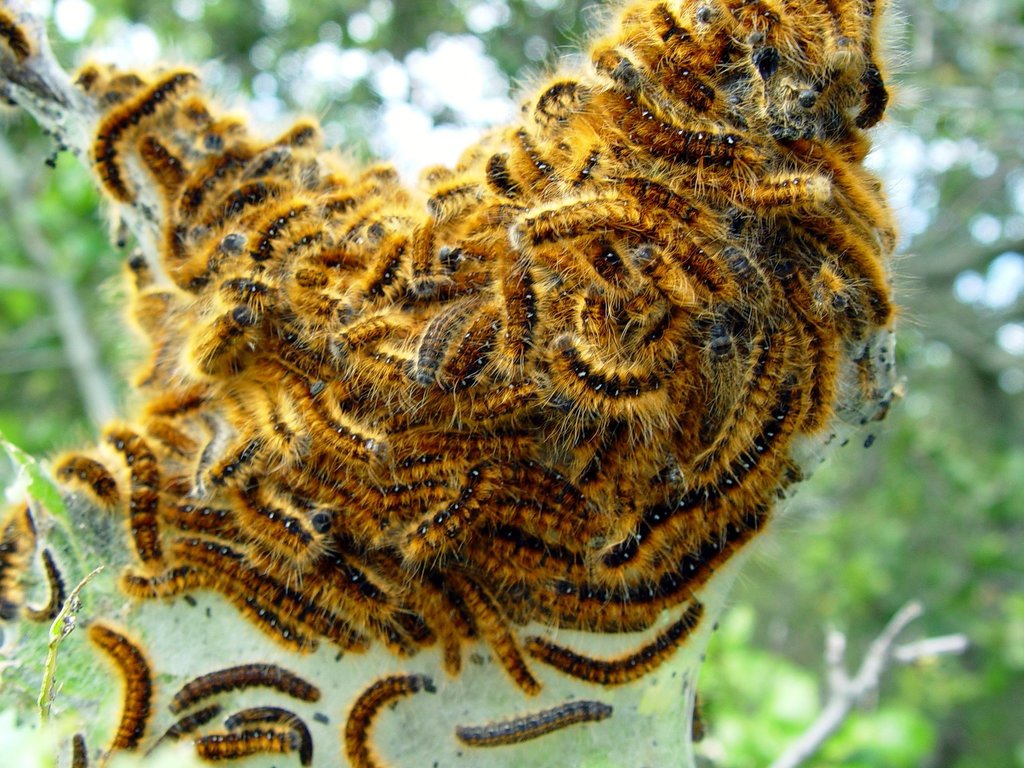
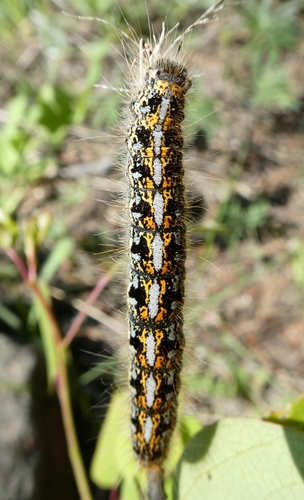
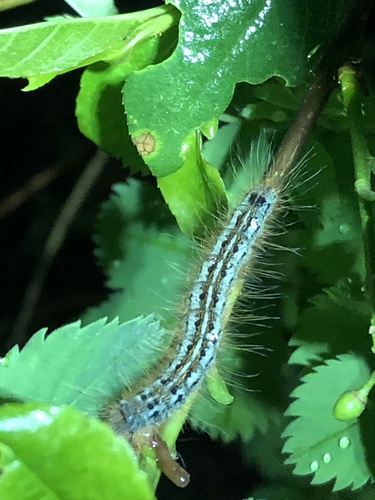
Adults have a wingspan of 3.5 to 5 cm and lay eggs that overwinter before hatching in spring. Caterpillars are black, grey, or white with a longitudinal orange stripe and live in communal silk tents. Outbreaks occur every 6 to 11 years and can strip leaves from trees, though forests usually recover quickly.
Source: Wikipedia
Size
A mature pre-pupa measures about 4 to 5 cm long. Adult moths have a wingspan of roughly 3.5 to 5 cm.
Source: Wikipedia
Is it a pest in the house?
Large larval outbreaks can be a nuisance, but trees usually recover because they regrow leaves quickly.
Source: Wikipedia
How to get rid of it
Early intervention before populations peak is most effective for control. Nucleopolyhedrovirus (NPV) is thought to drive the boom-and-bust cycles of this species.
Source: Wikipedia
Where it lives
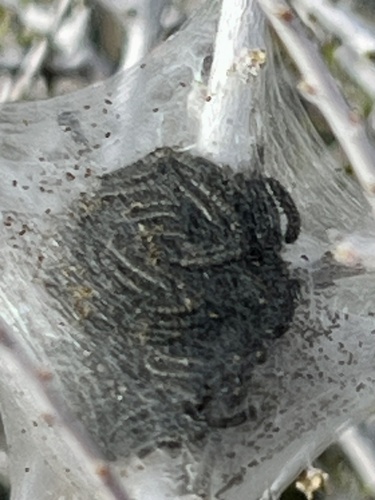
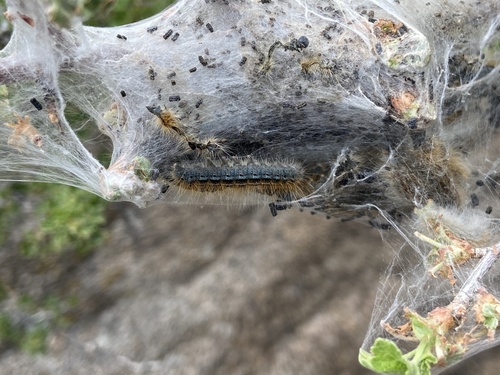
Larvae form silken tents and stay together in groups during development.
Source: Wikipedia
What it eats
Caterpillars are generalist leaf-eaters. Adult moths do not feed and live only 1 to 4 days.
Source: Wikipedia
Life cycle
The species has one generation per year. Eggs enter diapause over winter and hatch in spring.
Source: Wikipedia
When you see it
Adults appear in late summer to mate and lay eggs.
Source: Wikipedia
Where it comes from
Found in the western United States, southern Canada and parts of northern Mexico.
Source: Wikipedia
Lookalikes
Malacosoma californicum is a tent-caterpillar moth in the family Lasiocampidae.
Source: Wikipedia
Where it is found in the US
Recorded in 21 of 51 states and DC. Most records: Washington, California, Montana, Colorado, Oregon, Idaho, Utah, Wyoming.
Darker = more records. Counts are museum and citizen-science records, not population size.
Source: GBIF
Status: native in North America; native in Canada; native in United States. Source: iNaturalist
Months it is reported in the US
Source: GBIF
More photos
Questions people ask
Are they harmful to trees?
During outbreak years the larvae can strip leaves from trees, but the damage is usually temporary because trees regrow foliage.
Source: Wikipedia
How can I control an outbreak?
Control works best if you act before numbers get high, and natural viruses like NPV often reduce populations on their own.
Source: Wikipedia
Same family (Lasiocampidae)
 Eastern Tent Caterpillar MothMalacosoma americanaDamages trees, gardens or crops
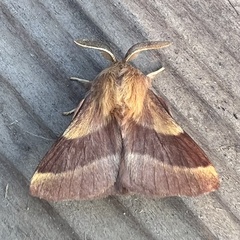 Forest Tent Caterpillar MothMalacosoma disstriaDamages trees, gardens or crops
 Fox MothMacrothylacia rubi
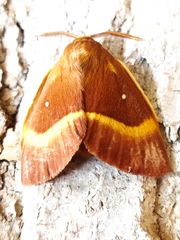 Oak EggarLasiocampa quercus
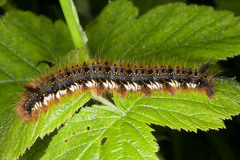 Drinker MothEuthrix potatoria
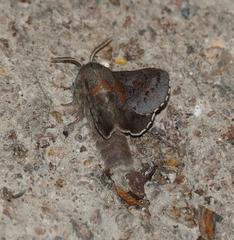 American Lappet MothPhyllodesma americanaDamages trees, gardens or crops
Sources
- Wikipedia: https://en.wikipedia.org/wiki/Malacosoma_californicum
Look it up elsewhere: GBIF · iNaturalist · BugGuide · ITIS · Wikipedia
Text written 2026-10-22 from the sources above and checked sentence by sentence against them. Data fetched 2026-10-22.