 Bug FAQ
Western Subterranean Termite
Reticulitermes hesperus · Order: Blattodea · Family: Rhinotermitidae
Source: UC IPM

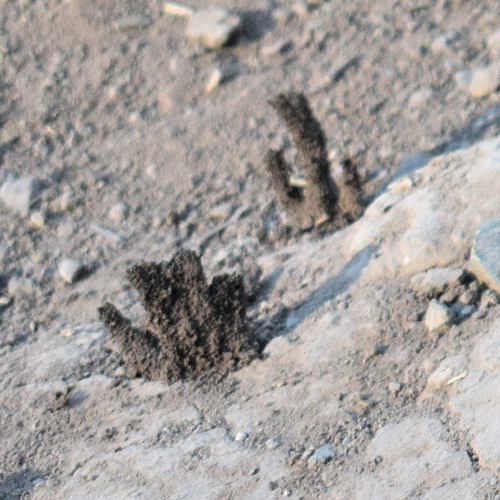
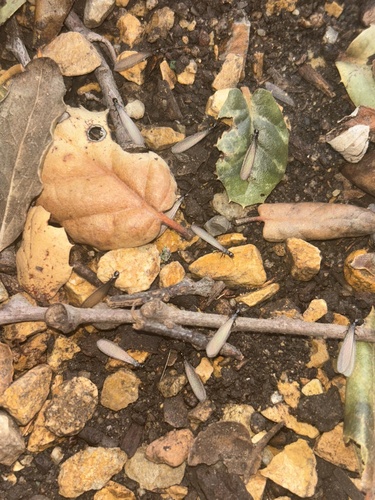
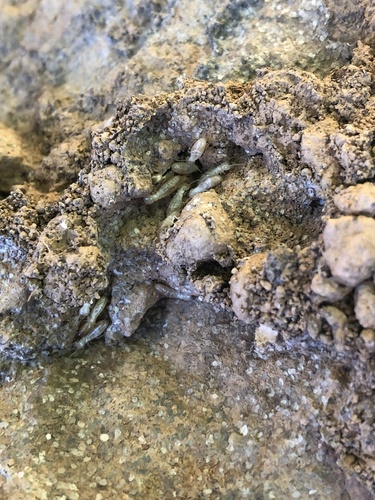
Reproductive termites have wings and swarm in warm, rainy spring and fall days (1,7,8). Workers are wingless, soft, and light caramel colored (2). These termites live underground in moist environments and are a major house pest in California (4,5,11).
How to recognize it
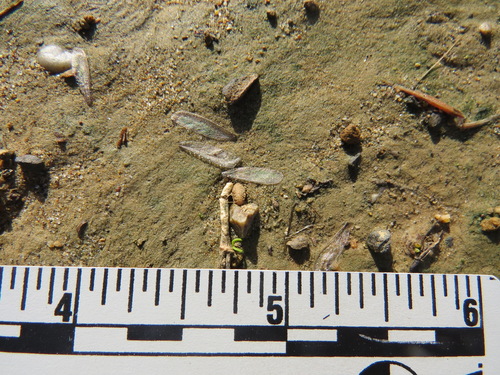
Only the reproductive adults have functional wings (1). Reproductive adults have yellow-brown or black bodies (3).
Is it a pest in the house?
Thousands of California homes need treatment each year for these termites (11).
Source: UC IPM
How to get rid of it
DIY pesticides are usually ineffective against termites (15). Consider non-chemical methods like wood replacement, heat, electrocution, or desiccants first (16).
Source: UC IPM
Where it lives
They live underground like other subterranean termites (4,9). They prefer moist living environments (5).
Source: Wikipedia
When you see it
Swarming occurs on warm days in spring and fall after rain events (8).
Source: Wikipedia
Where it comes from
Native to the coast from British Columbia to Southern California (6).
Source: Wikipedia
Lookalikes
Reticulitermes tibialis looks similar but is more common inland (12). Winged termites can be mistaken for flying ants (13). Check antennae, wings, and waist shape to tell termites from ants (14).
Where it is found in the US
Recorded in 9 of 51 states and DC. Most records: California, Colorado, Oregon, Washington, Idaho, Utah, Kansas, New Mexico.
Darker = more records. Counts are museum and citizen-science records, not population size.
Source: GBIF
Status: native in North America; native in Canada. Source: iNaturalist
Months it is reported in the US
Source: GBIF
More photos
Questions people ask
How can I tell if I have termites or ants?
Look at the antennae, wing shape, and the narrow waist; termites have straight antennae and a broader waist than ants (13,14).
Source: UC IPM
Same family (Rhinotermitidae)
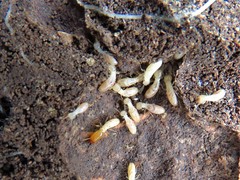 Eastern Subterranean TermiteReticulitermes flavipesCan damage your home
 Formosan subterranean termiteCoptotermes formosanusCan damage your home
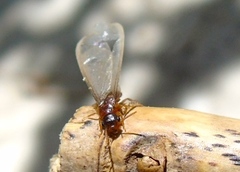 Asian subterranean termiteCoptotermes gestroiCan damage your home
 Desert Subterranean TermiteHeterotermes aureusCan damage your home
 Mediterranean TermiteReticulitermes lucifugus
Sources
- UC IPM: https://ipm.ucanr.edu/PMG/PESTNOTES/pn7415.html
- Wikipedia: https://en.wikipedia.org/wiki/Reticulitermes_hesperus
Look it up elsewhere: GBIF · iNaturalist · BugGuide · ITIS · Wikipedia
Text written 2026-10-22 from the sources above and checked sentence by sentence against them. Data fetched 2026-10-22.