 Bug FAQ
Formosan subterranean termite
Coptotermes formosanus · Order: Blattodea · Family: Rhinotermitidae
Also called: Formosan Termite
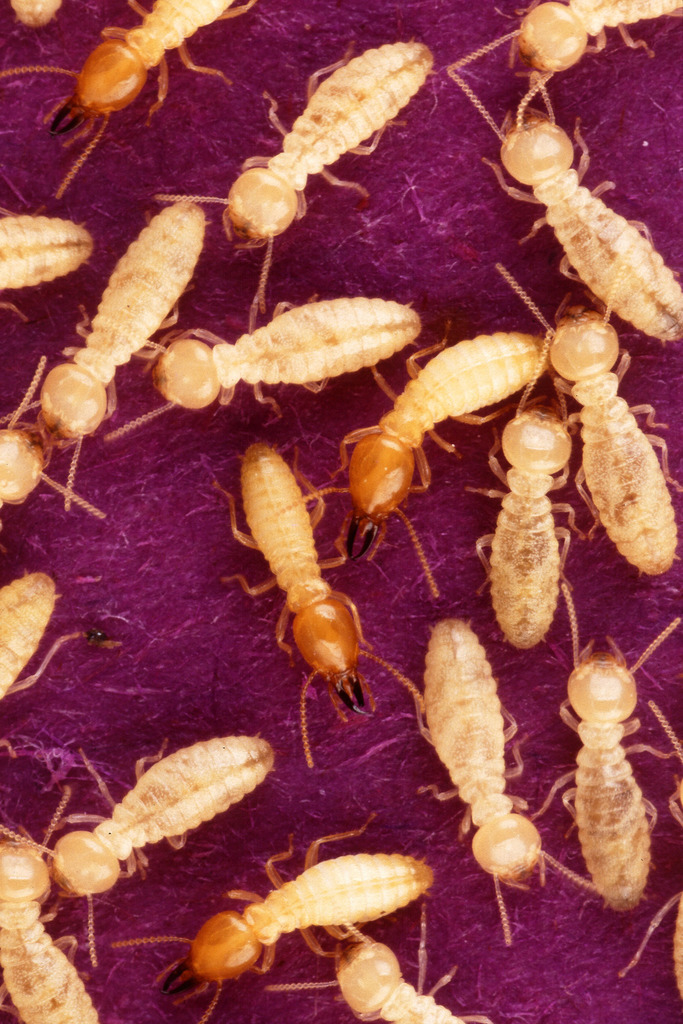
These termites are social insects that live in colonies with wingless workers that are soft-bodied and light caramel in color, while the reproductive adults are yellow-brown or black. They infest many types of structures, especially in the southern United States, and their feeding can destroy wood, damage trees, and cost homeowners thousands of dollars each year.
How to recognize it
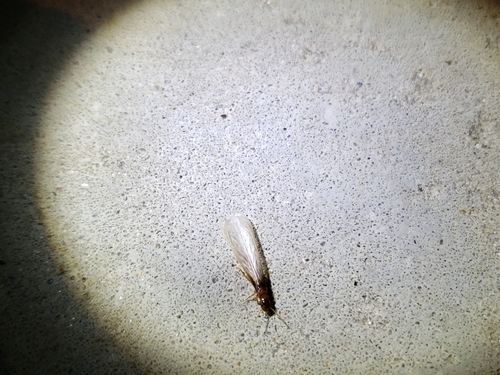
Formosan termites are social insects. Worker termites have no wings, are soft-bodied and light caramel colored. Reproductive adults have yellow-brown or black bodies.
Is it a pest in the house?
Infestations cause extensive damage to many types of buildings and trees. Together with C. gestroi, they are responsible for huge property damage and high treatment costs in the United States. Termites also play a beneficial ecological role by breaking down woody debris and feeding predators. Thousands of homes in California need termite control each year.
How to get rid of it
Physical barriers have been created to keep Formosan termites out. The ICC acceptance standard AC 380 requires five years of field trials for these barrier systems in infested sites. Do-it-yourself termite pesticides are usually ineffective. Before using chemicals, consider non-chemical methods like wood replacement, heat, electrocution or desiccants.
Where it lives
They can be found in many structures, from boats to high-rise condos, and also damage trees. In the U.S. they are reported in eleven states, mostly south of 35° N.
Source: Wikipedia
What it eats
They feed on crops such as sugarcane.
Source: Wikipedia
Life cycle
Formosan termites live in colonies as social insects.
Source: Wikipedia
Lookalikes
Winged termites are often mistaken for flying ants. You can tell them apart by looking at antennae, wing shape and the narrow waist.
Source: UC IPM
Where it is found in the US
Recorded in 10 of 51 states and DC. Most records: Louisiana, Texas, Florida, Alabama, Mississippi, Hawaii, South Carolina, Georgia.
Darker = more records. Counts are museum and citizen-science records, not population size.
Source: GBIF
Status: introduced in United States. Source: iNaturalist
Months it is reported in the US
Source: GBIF
More photos
Questions people ask
How can I prevent a Formosan termite infestation?
Install approved physical barriers and use non-chemical tactics such as wood replacement, heat treatment or desiccants before resorting to pesticides.
Same family (Rhinotermitidae)
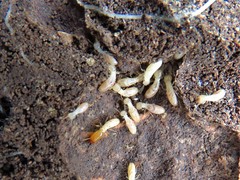 Eastern Subterranean TermiteReticulitermes flavipesCan damage your home
 Western Subterranean TermiteReticulitermes hesperusCan damage your home
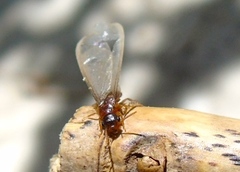 Asian subterranean termiteCoptotermes gestroiCan damage your home
 Desert Subterranean TermiteHeterotermes aureusCan damage your home
 Mediterranean TermiteReticulitermes lucifugus
Sources
- Wikipedia: https://en.wikipedia.org/wiki/Formosan_subterranean_termite
- UC IPM: https://ipm.ucanr.edu/PMG/PESTNOTES/pn7415.html
Look it up elsewhere: GBIF · iNaturalist · BugGuide · ITIS · Wikipedia
Text written 2026-10-22 from the sources above and checked sentence by sentence against them. Data fetched 2026-10-22.