 Bug FAQ
Toadlike Bolas Spider
Mastophora phrynosoma · Order: Araneae · Family: Araneidae
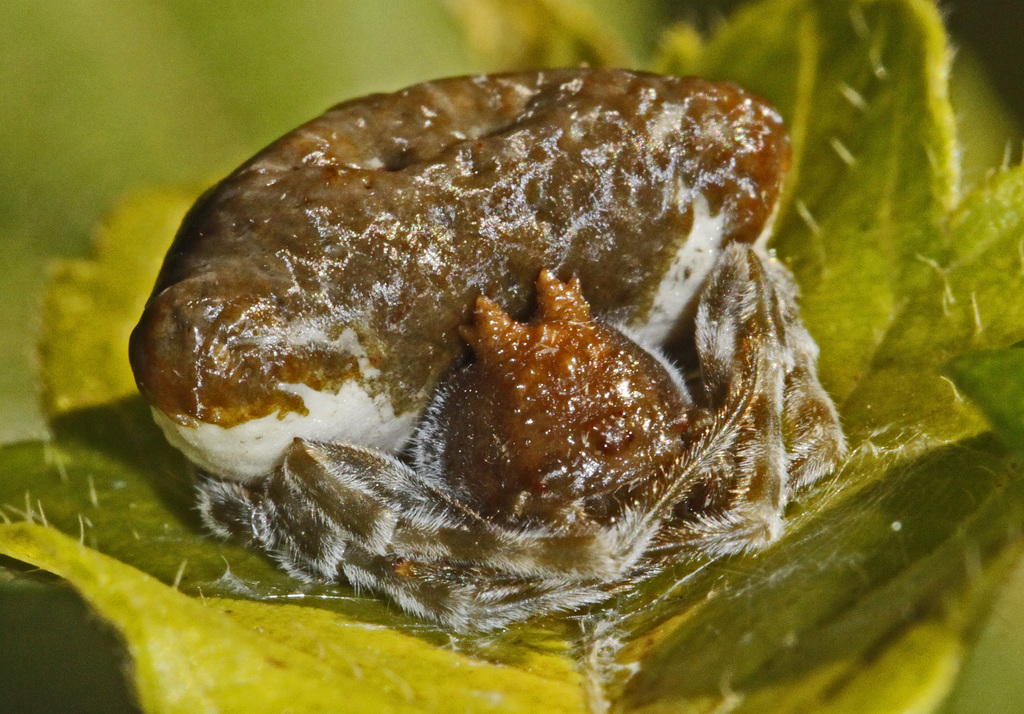
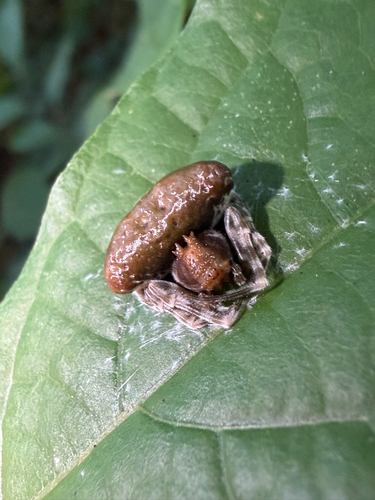
Adult female Toadlike Bolas Spiders catch prey with one or more sticky drops on a silk line, while males and juvenile females grab prey with their legs. The species lives in the United States. It belongs to the orb-weaver family Araneidae.
Source: Wikipedia
How to recognize it
Mastophora phrynosoma is an orb-weaver spider in the family Araneidae.
Source: Wikipedia
Where it lives
It is found in the United States.
Source: Wikipedia
What it eats
Adult females capture prey with sticky drops on a silk line, a method called bolas. Males and juvenile females catch prey directly with their legs.
Source: Wikipedia
Life cycle
Adult females use the bolas hunting technique. Males and juvenile females capture prey with their legs.
Source: Wikipedia
Where it comes from
Its native range is the United States.
Source: Wikipedia
Where it is found in the US
Recorded in 26 of 51 states and DC. Most records: Ohio, Maryland, Virginia, Pennsylvania, Missouri, New York, New Jersey, North Carolina.
Darker = more records. Counts are museum and citizen-science records, not population size.
Source: GBIF
Months it is reported in the US
Source: GBIF
More photos
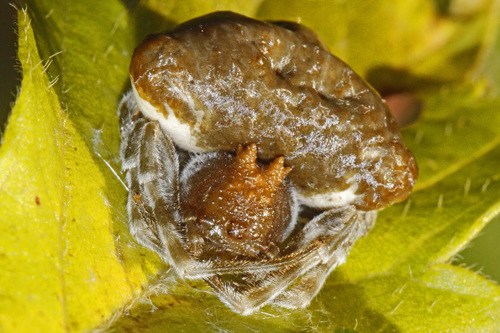
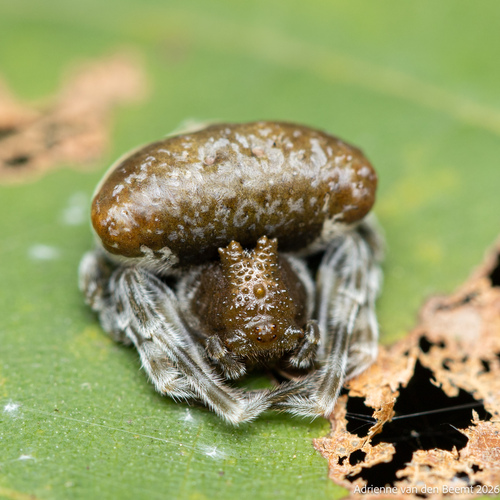
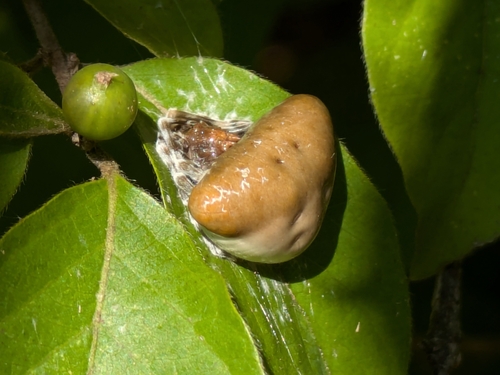
Questions people ask
How does the Toadlike Bolas Spider catch its prey?
Adult females swing a silk line with sticky drops to snag insects, while males and young females grab prey with their legs.
Source: Wikipedia
What family does this spider belong to?
It is an orb-weaver in the family Araneidae.
Source: Wikipedia
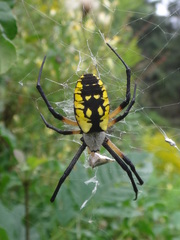
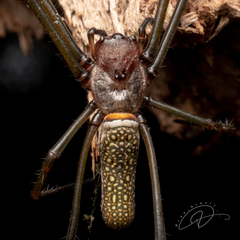
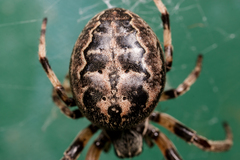
Same family (Araneidae)


Sources
- Wikipedia: https://en.wikipedia.org/wiki/Mastophora_phrynosoma
Look it up elsewhere: GBIF · iNaturalist · BugGuide · ITIS · Wikipedia
Text written 2026-10-26 from the sources above and checked sentence by sentence against them. Data fetched 2026-10-26.