 Bug FAQ
Sugarcane Soldier Fly
Inopus rubriceps · Order: Diptera · Family: Stratiomyidae
Also called: Australian soldier fly, Soldier fly
Source: Wikipedia
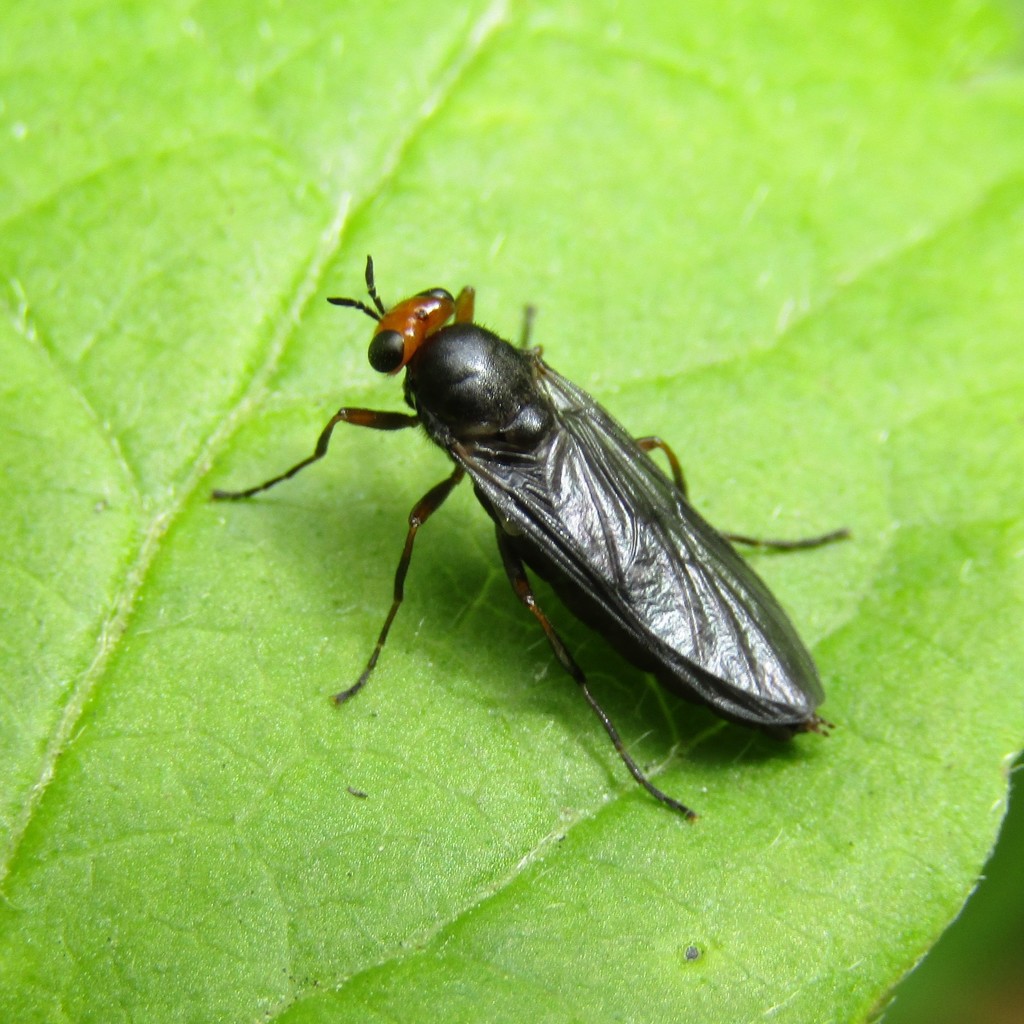
It prefers warm, moist climates in subtropical and tropical areas. It is native to south-eastern Queensland and northern New South Wales in Australia. It can harm pasture, oat and maize crops, though it is not considered a major pest.
Source: Wikipedia
Is it a pest in the house?
It damages pasture, oat and maize crops, but the damage is not severe enough to label it a major pest.
Source: Wikipedia
Where it lives
It prefers warm, moist climates in subtropical and tropical regions.
Source: Wikipedia
Where it comes from
It is native to south-eastern Queensland and northern New South Wales, Australia.
Source: Wikipedia
Where it is found in the US
Recorded in 1 of 51 states and DC. Most records: California.
Darker = more records. Counts are museum and citizen-science records, not population size.
Source: GBIF
Months it is reported in the US
Source: GBIF
More photos

Questions people ask
What crops does it damage?
It can damage pasture, oat and maize crops, though it is not a major pest.
Source: Wikipedia
Where is the sugarcane soldier fly native to?
It is native to south-eastern Queensland and northern New South Wales in Australia.
Source: Wikipedia
What kind of climate does it prefer?
It prefers warm, moist climates in subtropical and tropical regions.
Source: Wikipedia
Same family (Stratiomyidae)




Sources
- Wikipedia: https://en.wikipedia.org/wiki/Inopus_rubriceps
Look it up elsewhere: GBIF · iNaturalist · BugGuide · ITIS · Wikipedia
Text written 2026-10-23 from the sources above and checked sentence by sentence against them. Data fetched 2026-10-23.