 Bug FAQ
Sooty Orbweaver
Salsa fuliginata · Order: Araneae · Family: Araneidae
Also called: Sooty Orb-weaver
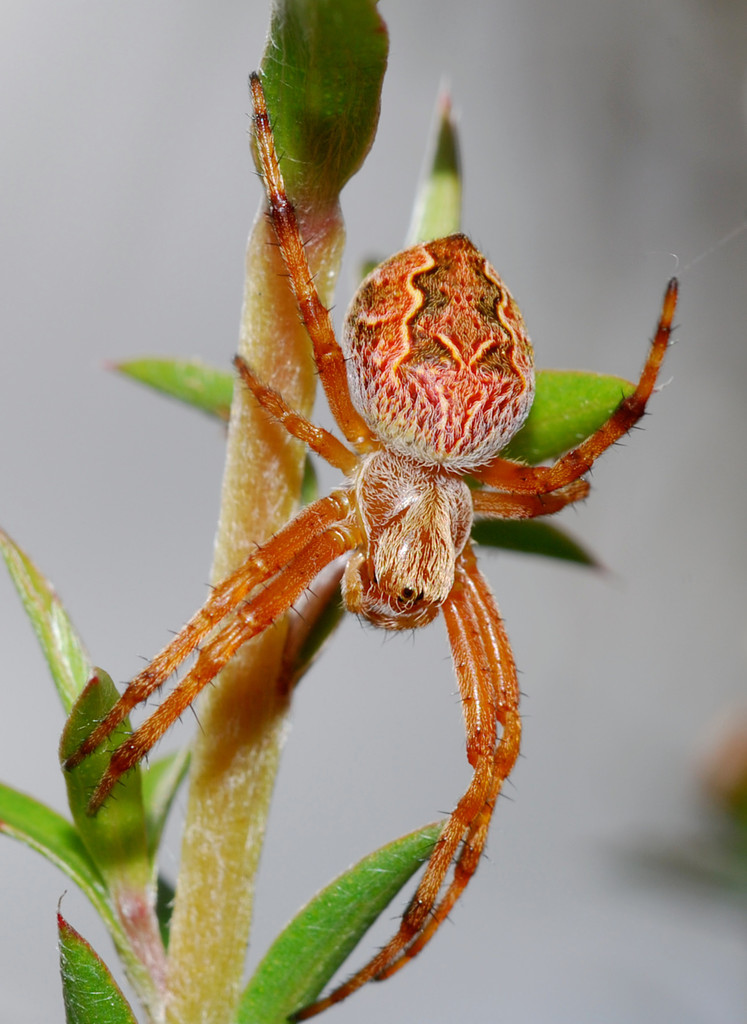
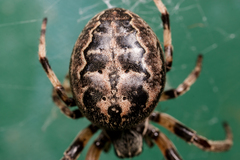
Adult males are 3.2 to 5.5 mm long. Spiderlings have a black and yellow-brown carapace; females look similar in colour and pattern. They live in open areas with low vegetation and various forests, are native to southeastern Australia and have spread to several New Zealand cities.
Source: Wikipedia
How to recognize it
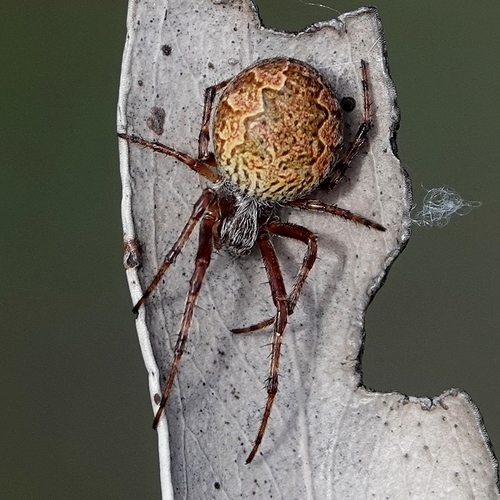
Spiderlings show a black and yellowish-brown carapace. Females have a brownish carapace and abdomen pattern similar to males.
Source: Wikipedia
Size
Adult males measure 3.2 to 5.5 mm in total length.
Source: Wikipedia
Where it lives
No single habitat is preferred; they are found in open spaces with low vegetation and in many forest types.
Source: Wikipedia
Life cycle
Life cycle includes eggs, spiderlings, juveniles and adults, like most spiders. Females hang egg sacs near or in their webs; eggs hatch after two to four weeks.
Source: Wikipedia
When you see it
Adults are most common from October to January. Males become less common in September and February.
Source: Wikipedia
Where it comes from
Native to southeastern Australia.
Source: Wikipedia
Lookalikes
Males resemble Salsa recherchensis in genital morphology, but have a longer, narrower median apophysis and lack the spine-like prong on the terminal apophysis.
Source: Wikipedia
More photos

Questions people ask
How can I identify a young Sooty Orbweaver?
Look for a black and yellowish-brown carapace on the spiderling.
Source: Wikipedia
When are adult Sooty Orbweavers most likely to be seen?
Adults are most frequently collected between October and January.
Source: Wikipedia
What do Sooty Orbweavers eat?
They catch small insects like flies, moths and beetles in their webs.
Source: Wikipedia
Where does this spider live?
It occurs in open areas with low vegetation and various forest types, without a specific preferred habitat.
Source: Wikipedia
Same family (Araneidae)


Sources
- Wikipedia: https://en.wikipedia.org/wiki/Salsa_fuliginata
Look it up elsewhere: GBIF · iNaturalist · BugGuide · Wikipedia
Text written 2026-10-22 from the sources above and checked sentence by sentence against them. Data fetched 2026-10-22.