 Bug FAQ
Pole Borer
Neandra brunnea · Order: Coleoptera · Family: Cerambycidae
Also called: Pole Borer Beetle
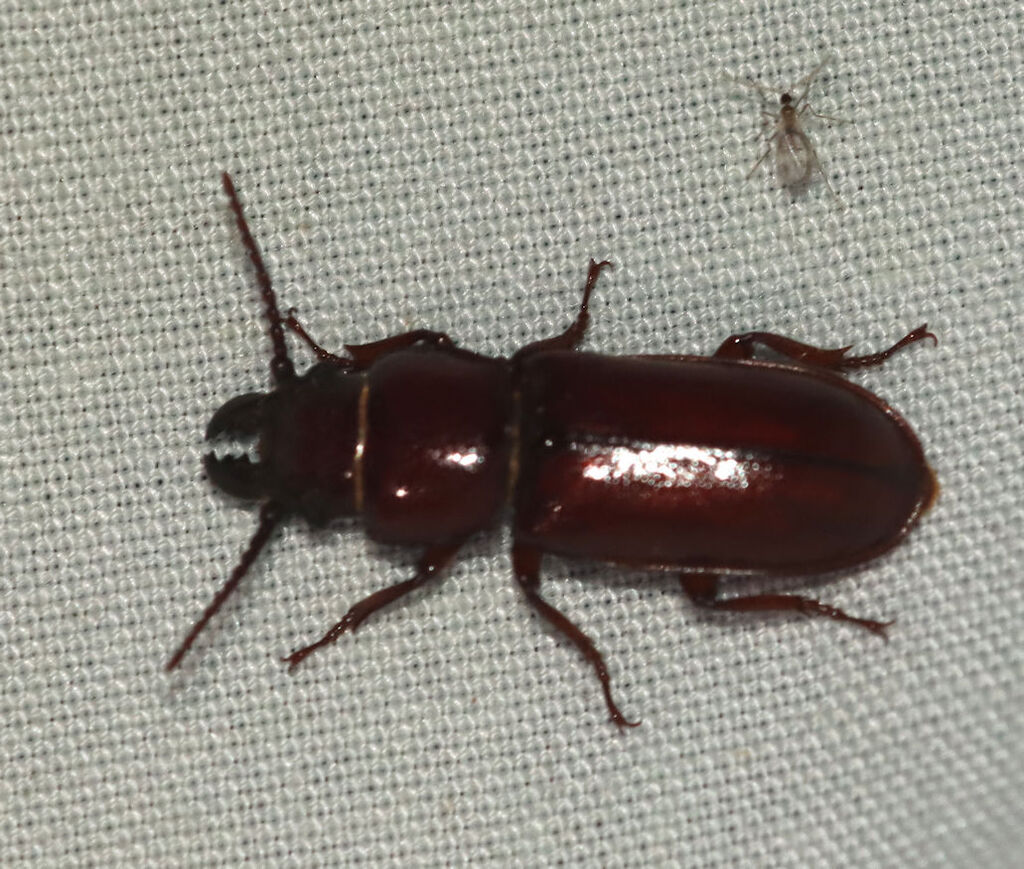
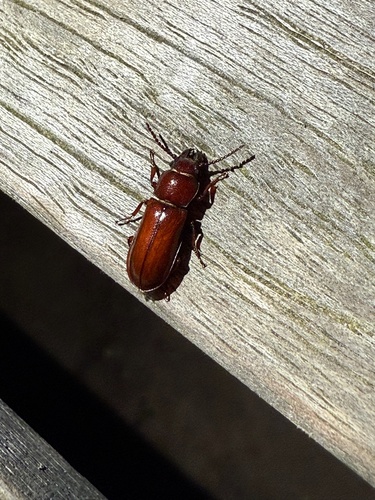
The pole borer is a longhorn beetle that measures about 8 to 20 mm in length (0.3 to 0.8 in). It is yellowish-brown to reddish-brown and has short, saw-toothed antennae. This species lives throughout the eastern part of North America and can be seen from early spring through late fall.
Source: Wikipedia
How to recognize it
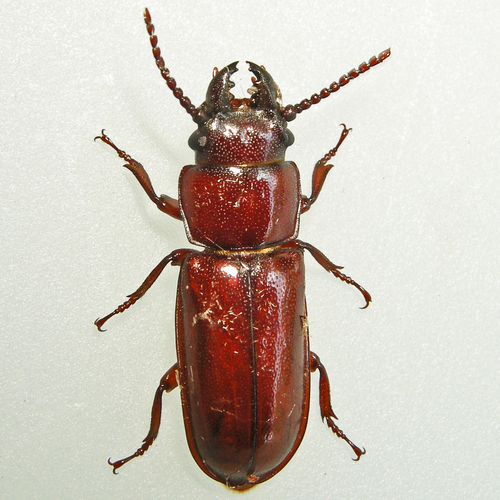
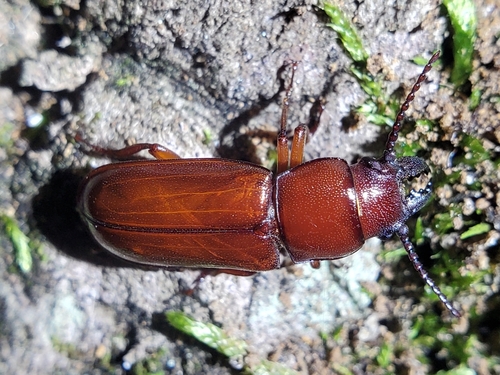
The beetle’s body is yellowish-brown or reddish-brown with relatively short, serrated antennae.
Source: Wikipedia
Size
Adults grow to a length of roughly 8 to 20 mm (about 0.3 to 0.8 in).
Source: Wikipedia
When you see it
You can encounter this beetle from March through November.
Source: Wikipedia
Where it comes from
Its range covers the entire eastern portion of North America.
Source: Wikipedia
Where it is found in the US
Recorded in 44 of 51 states and DC. Most records: New York, Ohio, Pennsylvania, Illinois, Michigan, Virginia, Massachusetts, Maryland.
Darker = more records. Counts are museum and citizen-science records, not population size.
Source: GBIF
Status: native in North America; native in Canada. Source: iNaturalist
Months it is reported in the US
Source: GBIF
More photos
Same family (Cerambycidae)
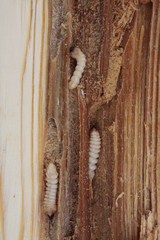 House LonghornHylotrupes bajulusCan damage your home
 Asian Longhorned BeetleAnoplophora glabripennisDamages trees, gardens or crops
 Red Milkweed BeetleTetraopes tetrophthalmus
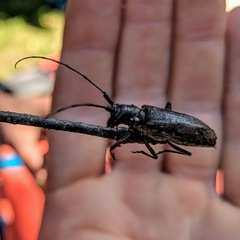 White-spotted SawyerMonochamus scutellatusCan damage your home
 Red Pine Longhorn BeetleStictoleptura rubra
 Spotted Longhorn BeetleRutpela maculataDamages trees, gardens or crops
Sources
- Wikipedia: https://en.wikipedia.org/wiki/Neandra_brunnea
Look it up elsewhere: GBIF · iNaturalist · BugGuide · ITIS · Wikipedia
Text written 2026-10-22 from the sources above and checked sentence by sentence against them. Data fetched 2026-10-22.