 Bug FAQ
Phylloneta pictipes
Phylloneta pictipes · Order: Araneae · Family: Theridiidae
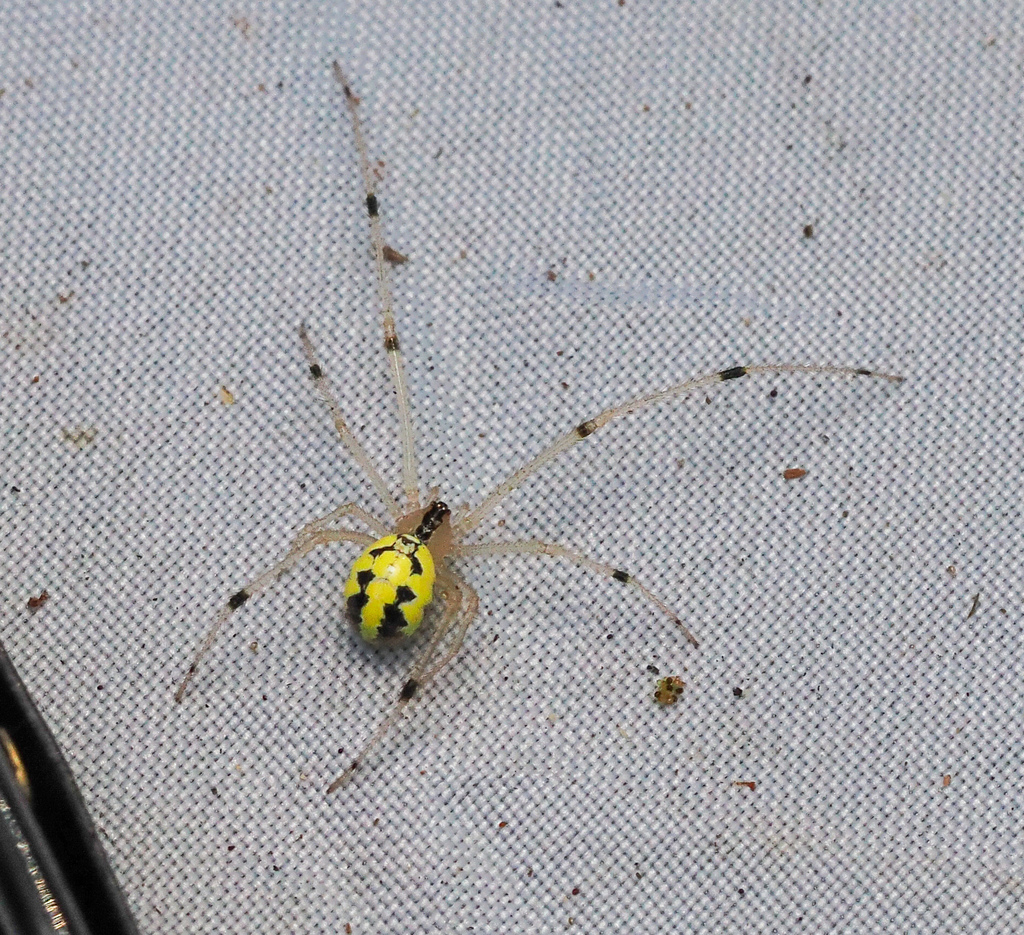
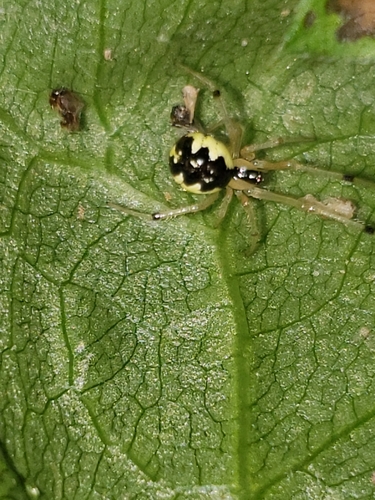
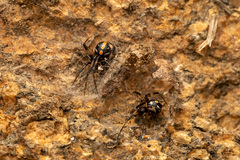
Phylloneta pictipes is a yellow spider with distinct black spots on its abdomen and black-banded legs. It lives in the United States where it builds typical cobwebs.
Source: Wikipedia
How to recognize it
The spider is yellow with patterned black spots on the abdomen. Its legs have black bands.
Source: Wikipedia
How to get rid of it
Control methods focus on removing its cobwebs.
Source: Wikipedia
Where it lives
Phylloneta pictipes is found in the United States. It builds cobwebs as its web type.
Source: Wikipedia
Where it comes from
Its native range includes the United States.
Source: Wikipedia
Where it is found in the US
Recorded in 20 of 51 states and DC. Most records: Virginia, Maryland, North Carolina, Georgia, Alabama, Tennessee, South Carolina, Kentucky.
Darker = more records. Counts are museum and citizen-science records, not population size.
Source: GBIF
Months it is reported in the US
Source: GBIF
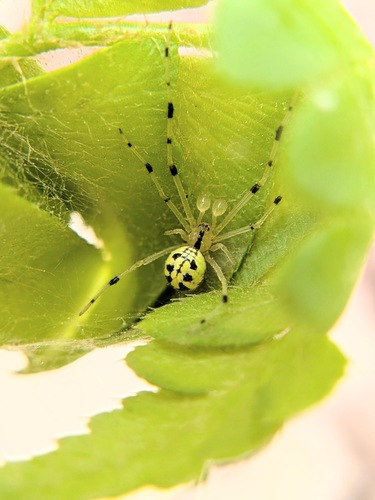
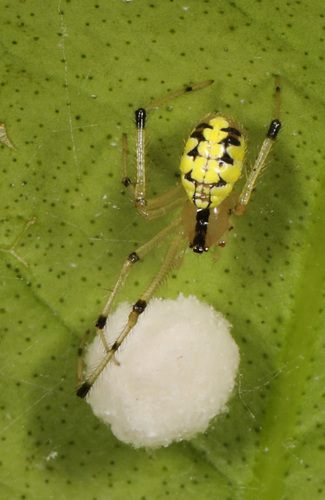
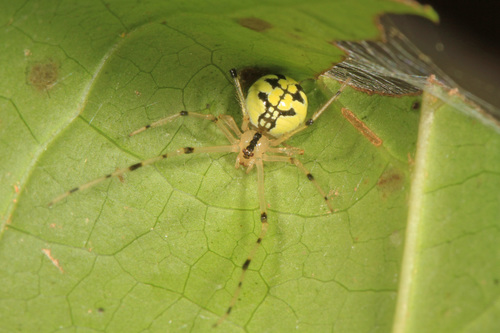
More photos
Questions people ask
What does Phylloneta pictipes look like?
It is yellow with black spots on the abdomen and has black-banded legs.
Source: Wikipedia
Where is Phylloneta pictipes found?
It occurs in the United States and builds cobwebs there.
Source: Wikipedia
What family does Phylloneta pictipes belong to?
It is a cobweb spider in the family Theridiidae.
Source: Wikipedia
How can I get rid of Phylloneta pictipes?
Remove its cobwebs to reduce its presence.
Source: Wikipedia
Same family (Theridiidae)


Sources
- Wikipedia: https://en.wikipedia.org/wiki/Phylloneta_pictipes
Look it up elsewhere: GBIF · iNaturalist · BugGuide · ITIS · Wikipedia
Text written 2026-10-26 from the sources above and checked sentence by sentence against them. Data fetched 2026-10-26.