 Bug FAQ
Pale Prominent
Pterostoma palpina · Order: Lepidoptera · Family: Notodontidae
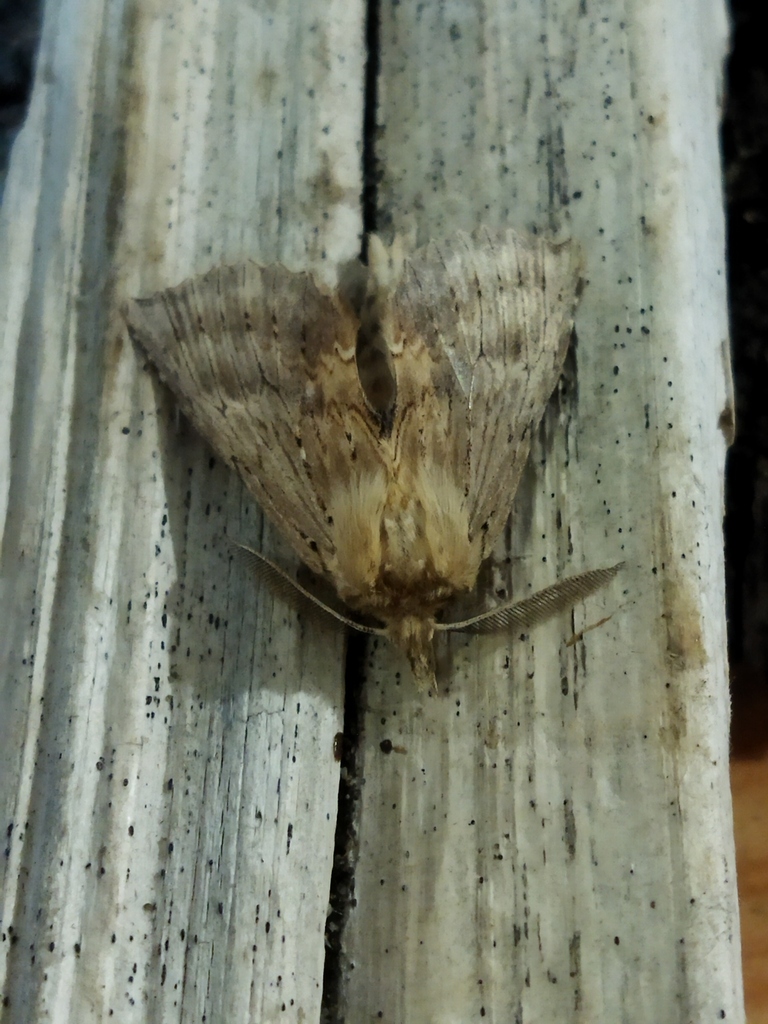
The Pale Prominent moth has a wingspan of about 35-52 mm and rests on bark where it looks like a piece of wood. It is common across Europe, parts of North-West Africa and Central Asia, and its larvae feed on poplar, willow, oak and lime trees.
Source: Wikipedia
How to recognize it
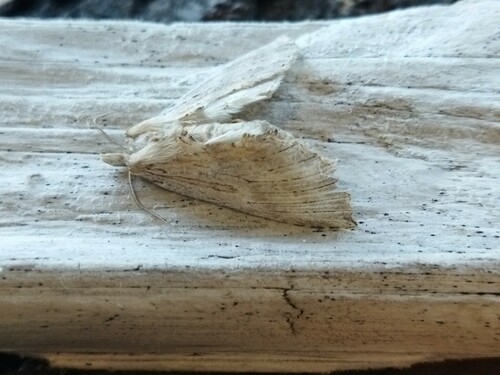
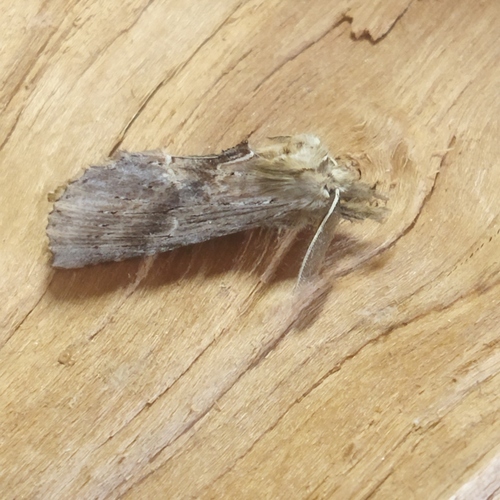
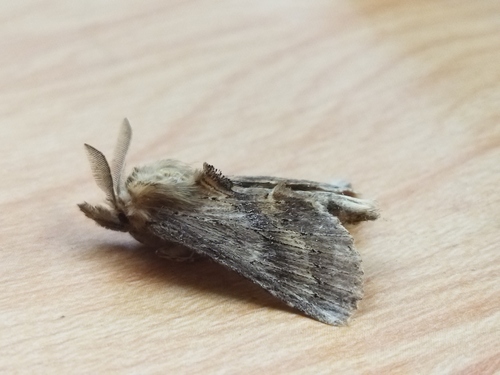
Females have slightly shorter pectinate antennae than males, and the dark wing streaks are less distinct. When at rest the moth holds its wings in a steep roof shape, making it look like a splinter of wood with the palpi resembling the split end.
Source: Wikipedia
Size
Wingspan ranges from 35 to 52 mm.
Source: Wikipedia
What it eats
Caterpillars feed on poplar, oak, lime and willow from May to October.
Source: Wikipedia
Life cycle
The species overwinters as a pupa. In central Europe there are two generations, April-May and July-August; farther north only one generation in May-June.
Source: Wikipedia
When you see it
Adults fly from early April to early September, with timing varying by region.
Source: Wikipedia
Where it comes from
Its range includes Europe and Central Asia in the Palearctic realm.
Source: Wikipedia
Lookalikes
There is little variation among individuals, though some may show stronger markings.
Source: Wikipedia
More photos
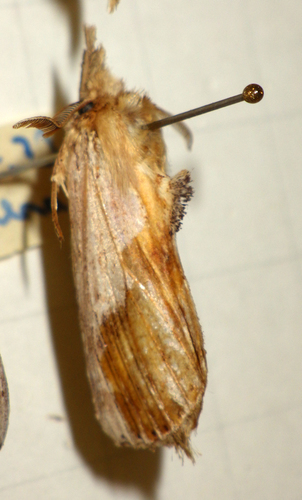
Questions people ask
When can I expect to see Pale Prominent moths?
Adults are on the wing from the start of April until the start of September, depending on location.
Source: Wikipedia
What trees do the larvae feed on?
The caterpillars eat leaves of poplar, willow, oak and lime.
Source: Wikipedia
How many generations are there per year?
In central Europe there are two broods, while farther north only one brood occurs.
Source: Wikipedia
Same family (Notodontidae)
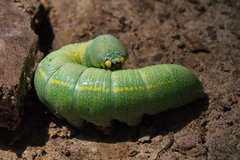 White-dotted ProminentNadata gibbosaDamages trees, gardens or crops
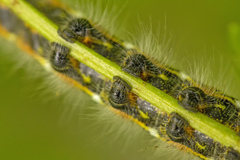 Buff-tipPhalera bucephalaDamages trees, gardens or crops
 Common Gluphisia MothGluphisia septentrionis
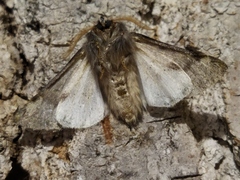 Pine Processionary-mothThaumetopoea pityocampaDamages trees, gardens or crops
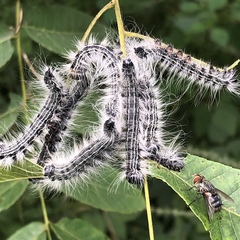 Walnut Caterpillar MothDatana integerrimaDamages trees, gardens or crops
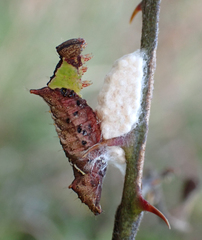 Unicorn ProminentCoelodasys unicornisDamages trees, gardens or crops
Sources
- Wikipedia: https://en.wikipedia.org/wiki/Pterostoma_palpina
Look it up elsewhere: GBIF · iNaturalist · BugGuide · Wikipedia
Text written 2026-10-22 from the sources above and checked sentence by sentence against them. Data fetched 2026-10-22.