 Bug FAQ
Common Gluphisia Moth
Gluphisia septentrionis · Order: Lepidoptera · Family: Notodontidae
Also called: Common Gluphisia
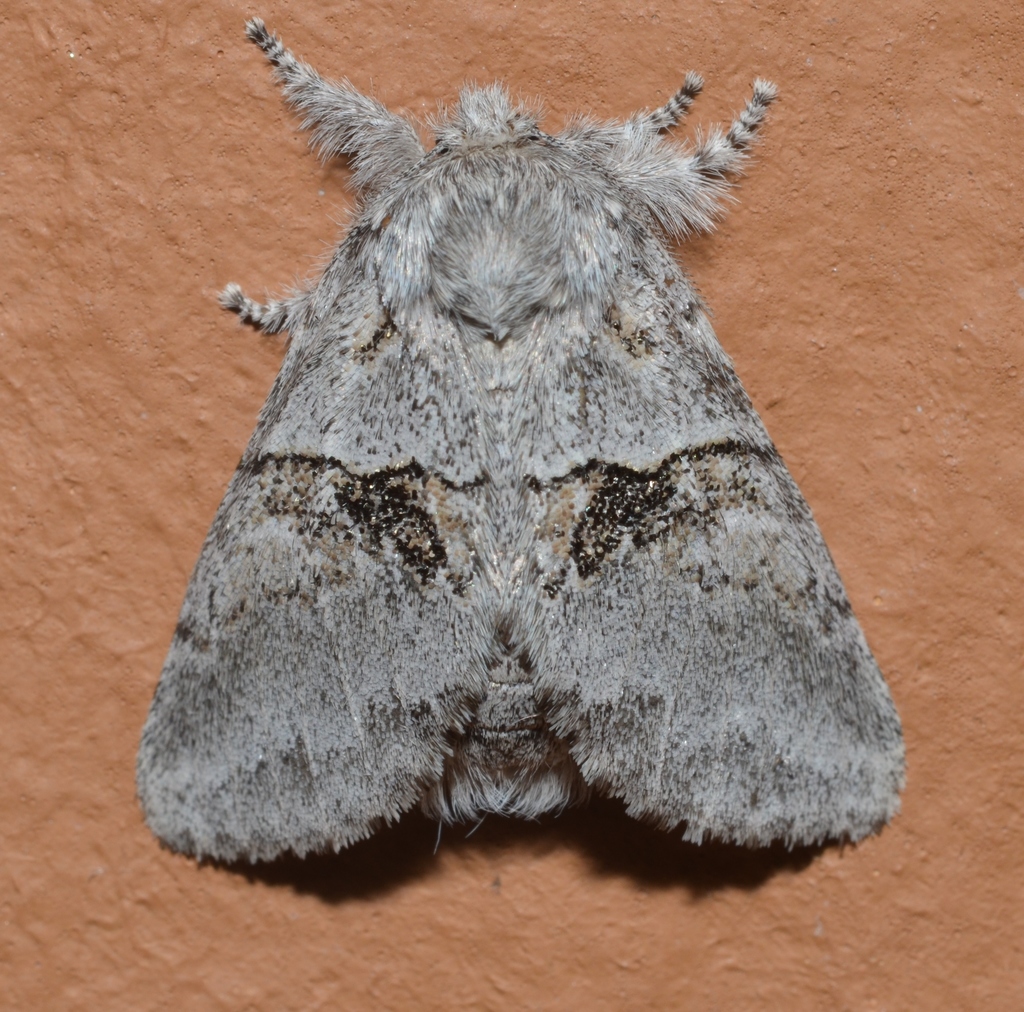
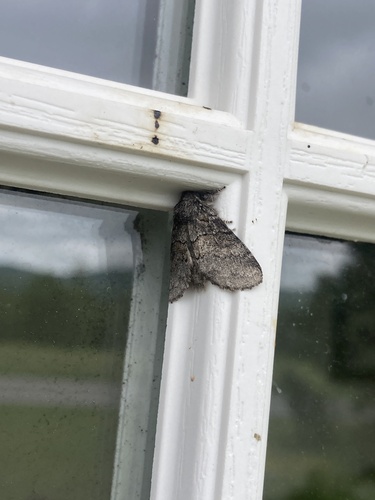
The common gluphisia moth has a wingspan of about 35 to 45 mm and mottled gray-white to brown forewings with a pale patch near the leading edge, while the hindwings are lighter. It lives in montane coniferous or mixed forests, especially where poplar or willow trees grow, and is widespread across North America from Alaska and Canada down the Rockies to the Atlantic coast. The caterpillars feed on poplar and willow species such as quaking aspen and black cottonwood.
Source: Wikipedia
How to recognize it
Forewings are mottled gray-white to brown with darker cross-stripes and a pale white or yellow patch near the costa; hindwings are lighter.
Source: Wikipedia
Size
Wingspan typically ranges from 35 to 45 mm (1.4 to 1.8 in).
Source: Wikipedia
What it eats
Larvae feed on poplar and willow species, especially quaking aspen and black cottonwood.
Source: Wikipedia
Where it comes from
Widespread in North America from Alaska and northern Canada, through the Rockies, to the Atlantic coast.
Source: Wikipedia
Lookalikes
When at rest, it holds its wings in a triangular or tent-like shape like other members of its family.
Source: Wikipedia
Where it is found in the US
Recorded in 48 of 51 states and DC. Most records: Michigan, Massachusetts, Vermont, New York, Minnesota, Wisconsin, Texas, Ohio.
Darker = more records. Counts are museum and citizen-science records, not population size.
Source: GBIF
Status: native in North America; native in Canada; native in United States. Source: iNaturalist
Months it is reported in the US
Source: GBIF
More photos
Same family (Notodontidae)
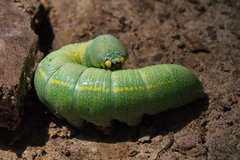 White-dotted ProminentNadata gibbosaDamages trees, gardens or crops
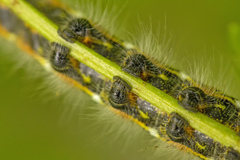 Buff-tipPhalera bucephalaDamages trees, gardens or crops
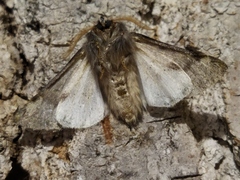 Pine Processionary-mothThaumetopoea pityocampaDamages trees, gardens or crops
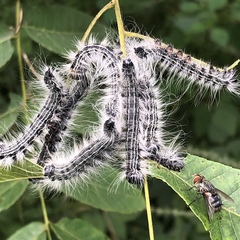 Walnut Caterpillar MothDatana integerrimaDamages trees, gardens or crops
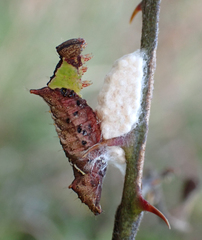 Unicorn ProminentCoelodasys unicornisDamages trees, gardens or crops
 Angulose ProminentPeridea angulosaDamages trees, gardens or crops
Sources
- Wikipedia: https://en.wikipedia.org/wiki/Gluphisia_septentrionis
Look it up elsewhere: GBIF · iNaturalist · BugGuide · ITIS · Wikipedia
Text written 2026-10-22 from the sources above and checked sentence by sentence against them. Data fetched 2026-10-22.