 Bug FAQ
Mountain Leafhopper
Colladonus montanus · Order: Hemiptera · Family: Cicadellidae
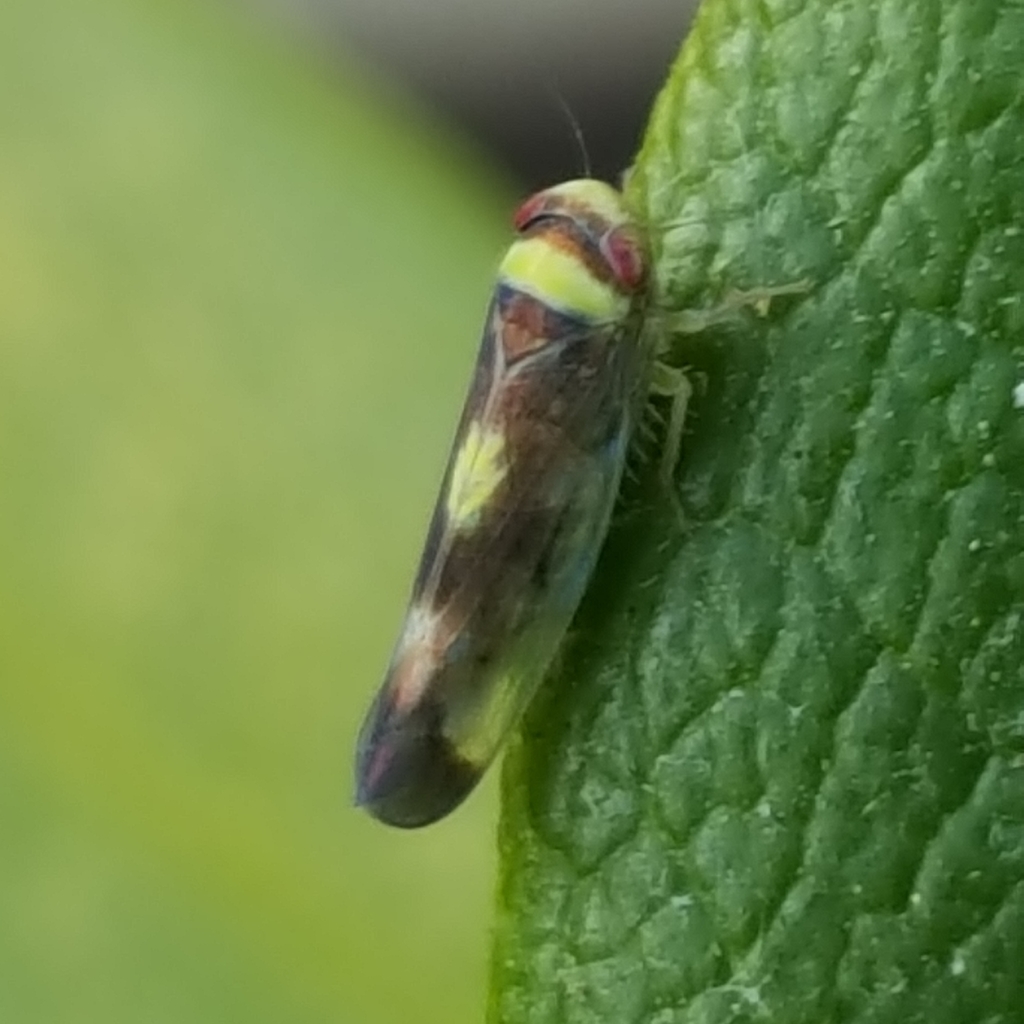
Colladonus montanus is a leafhopper. Colladonus montanus belongs to the leafhopper group of insects.
Source: Wikipedia
How to recognize it
Colladonus montanus is a leafhopper.
Source: Wikipedia
Is it a pest in the house?
Colladonus montanus is a leafhopper.
Source: Wikipedia
Can it bite, sting or make you sick?
Colladonus montanus is a leafhopper.
Source: Wikipedia
How to get rid of it
Colladonus montanus is a leafhopper.
Source: Wikipedia
Where it lives
Colladonus montanus is a leafhopper.
Source: Wikipedia
What it eats
Colladonus montanus is a leafhopper.
Source: Wikipedia
Life cycle
Colladonus montanus is a leafhopper.
Source: Wikipedia
When you see it
Colladonus montanus is a leafhopper.
Source: Wikipedia
Where it comes from
Colladonus montanus is a leafhopper.
Source: Wikipedia
Where it is found in the US
Recorded in 13 of 51 states and DC. Most records: California, Washington, Utah, Oregon, Montana, Idaho, Illinois, Iowa.
Darker = more records. Counts are museum and citizen-science records, not population size.
Source: GBIF
Months it is reported in the US
Source: GBIF
More photos
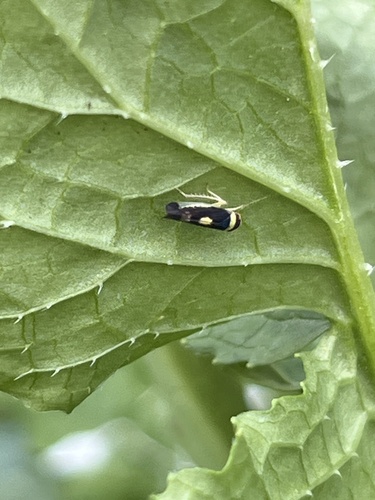
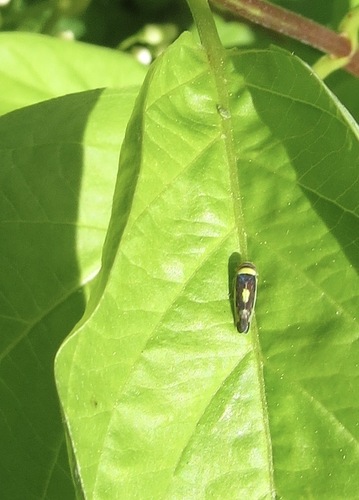
Same family (Cicadellidae)
 Red-banded LeafhopperGraphocephala coccineaDamages trees, gardens or crops
 Coppery LeafhopperJikradia olitoria
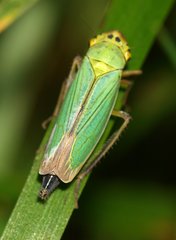 Green LeafhopperCicadella viridis
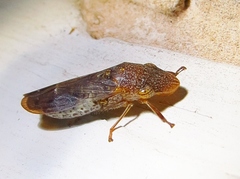 Glassy-winged SharpshooterHomalodisca vitripennisCan spread germs or disease
 Rhododendron LeafhopperGraphocephala fennahiDamages trees, gardens or crops
 Japanese LeafhopperOrientus ishidaeCan spread germs or disease
Sources
- Wikipedia: https://en.wikipedia.org/wiki/Colladonus_montanus
Look it up elsewhere: GBIF · iNaturalist · BugGuide · Wikipedia
Text written 2026-10-27 from the sources above and checked sentence by sentence against them. Data fetched 2026-10-27.