 Bug FAQ
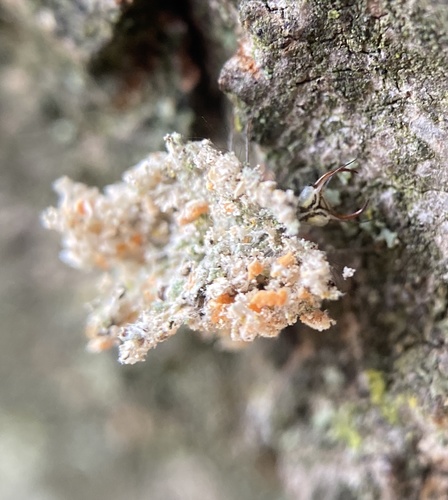
Lichen-carrying Green Lacewing
Leucochrysa pavida · Order: Neuroptera · Family: Chrysopidae
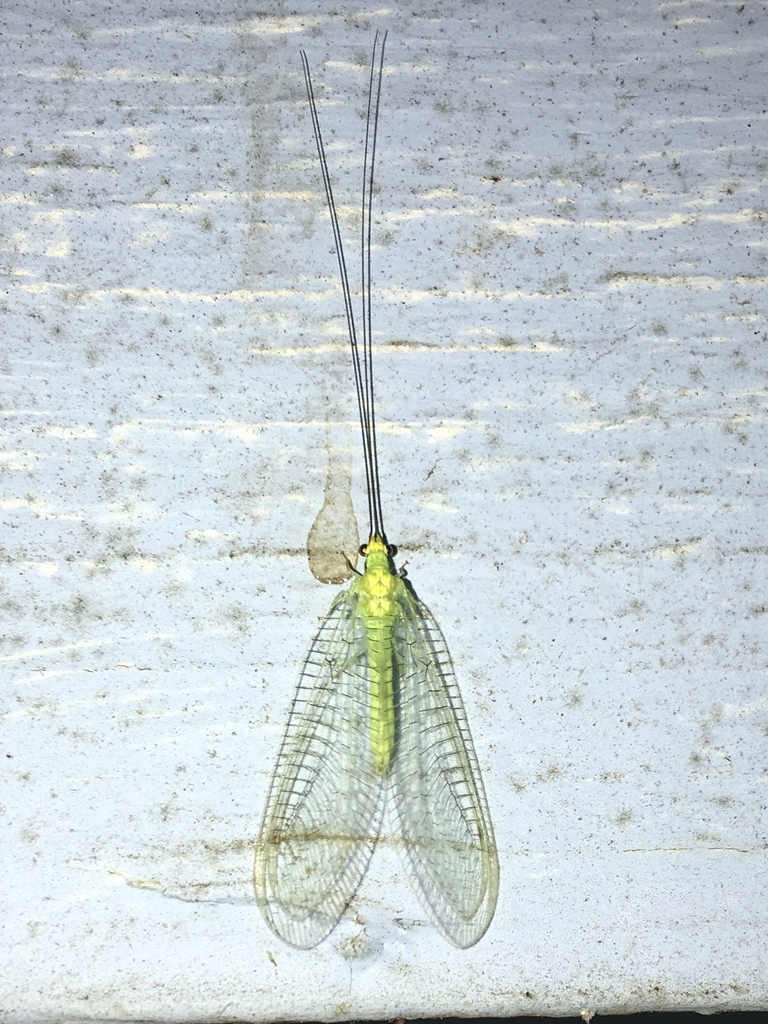
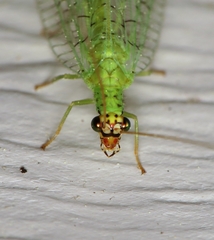
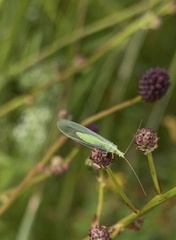
The lichen-carrying green lacewing is a larger green insect with two black side stripes on its thorax. Adults perch on the leaves of trees that lose their leaves each year, while larvae live on bark or forest litter rich in lichen.
Source: Wikipedia
How to recognize it
It is mainly light green and has two black stripes along the sides of its thorax.
Source: Wikipedia
Size
It is noticeably larger than other members of its genus.
Source: Wikipedia
Where it lives
Larvae live on tree bark or among forest litter that has moderate to high lichen cover.
Source: Wikipedia
What it eats
Adults feed on nectar, aphids, mites and other small insects. Larvae eat aphids, mites and other soft-bodied arthropods.
Source: Wikipedia
Life cycle
Females lay eggs after mating. From egg to adult takes about 47 to 80 days.
Source: Wikipedia
Lookalikes
Other green lacewings look similar, but this species is larger.
Source: Wikipedia
Where it is found in the US
Recorded in 32 of 51 states and DC. Most records: Virginia, North Carolina, Florida, Maryland, Georgia, Pennsylvania, Texas, Ohio.
Darker = more records. Counts are museum and citizen-science records, not population size.
Source: GBIF
Months it is reported in the US
Source: GBIF
More photos
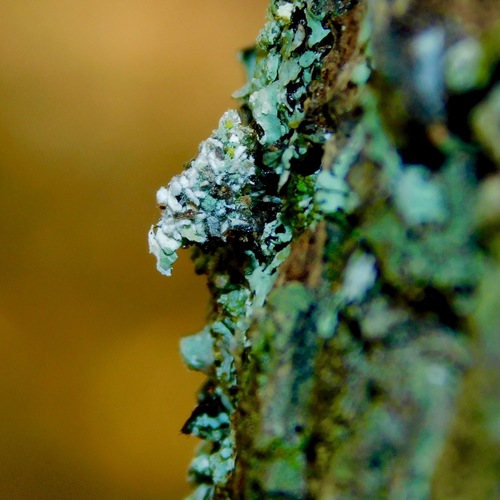
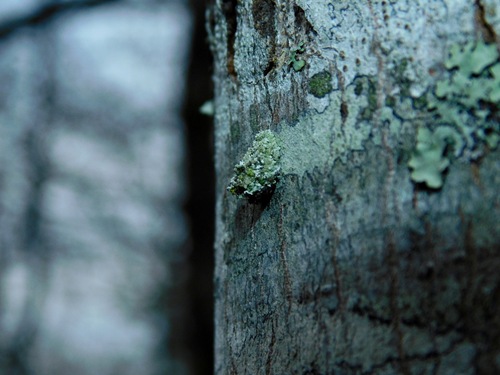
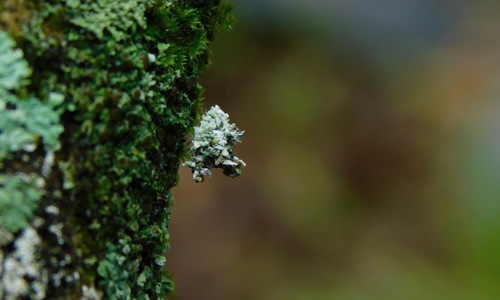
Same family (Chrysopidae)



Sources
- Wikipedia: https://en.wikipedia.org/wiki/Leucochrysa_pavida
Look it up elsewhere: GBIF · iNaturalist · BugGuide · ITIS · Wikipedia
Text written 2026-10-22 from the sources above and checked sentence by sentence against them. Data fetched 2026-10-22.