 Bug FAQ
Green lacewing
Mallada basalis · Order: Neuroptera · Family: Chrysopidae
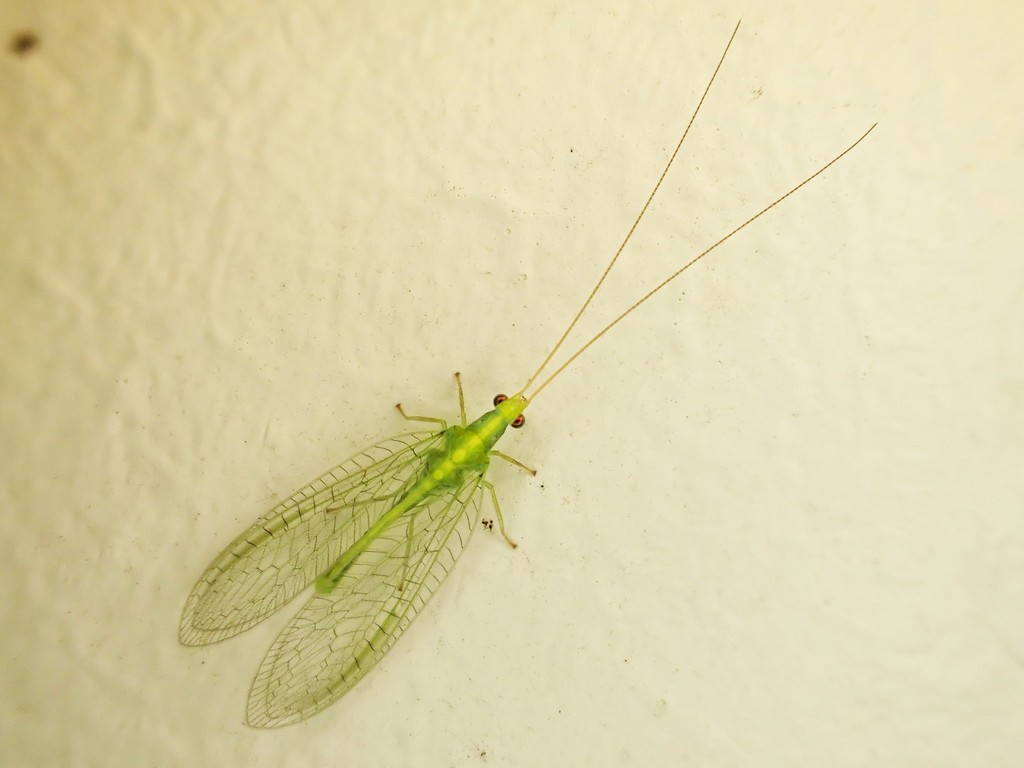
Mallada basalis is a greenish insect about 10 to 15 mm long. It can be recognized by a green spot on the hind-wing that other similar green lacewings lack.
Source: Wikipedia
How to recognize it
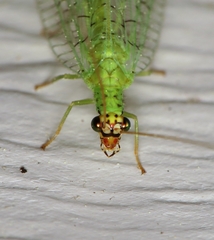
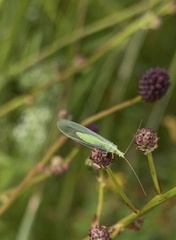
A green pterostigma on the hind wings distinguishes it from similar Chrysopidae. The insect is typically pale green in colour.
Source: Wikipedia
Size
Adults measure between 10 and 15 mm in length.
Source: Wikipedia
Where it lives
It is found in suburban areas as well as native flora habitats.
Source: Wikipedia
Where it comes from
Its range includes eastern Australian states, the Philippines, Taiwan, the Ryukyu Islands, Micronesia, Polynesia and an outlier on Easter Island.
Source: Wikipedia
Lookalikes
The green pterostigma on the hind wings helps separate it from look-alike green lacewings.
Source: Wikipedia
Where it is found in the US
Recorded in 1 of 51 states and DC. Most records: Hawaii.
Darker = more records. Counts are museum and citizen-science records, not population size.
Source: GBIF
Months it is reported in the US
Source: GBIF
More photos
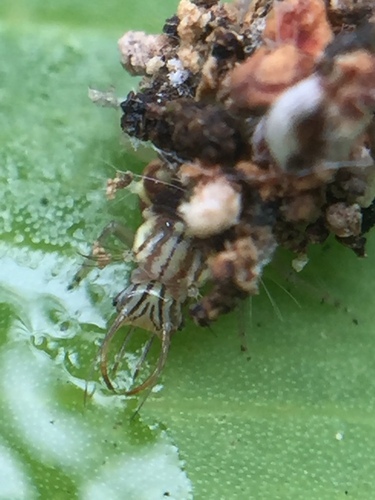
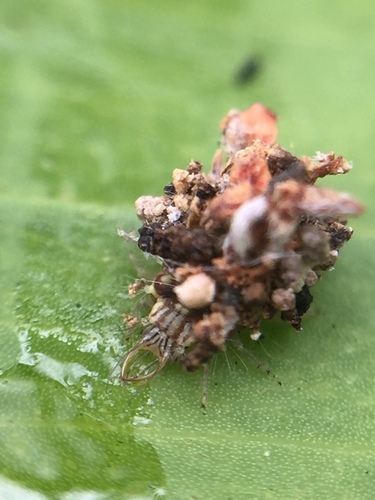
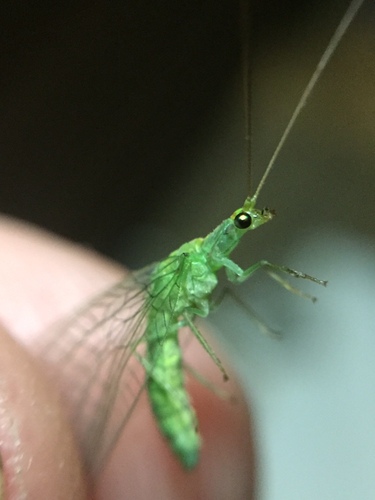
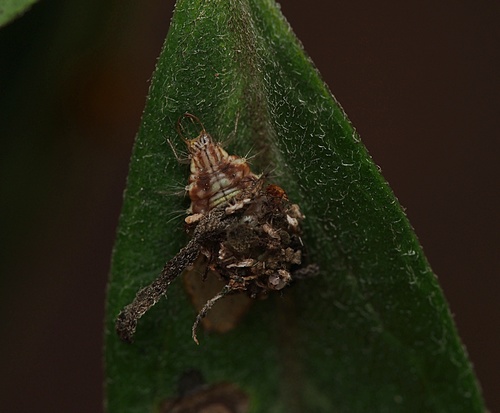
Same family (Chrysopidae)



Sources
- Wikipedia: https://en.wikipedia.org/wiki/Mallada_basalis
Look it up elsewhere: GBIF · iNaturalist · BugGuide · ITIS · Wikipedia
Text written 2026-10-23 from the sources above and checked sentence by sentence against them. Data fetched 2026-10-22.