 Bug FAQ
Hypopta palmata
Hypopta palmata · Order: Lepidoptera · Family: Cossidae
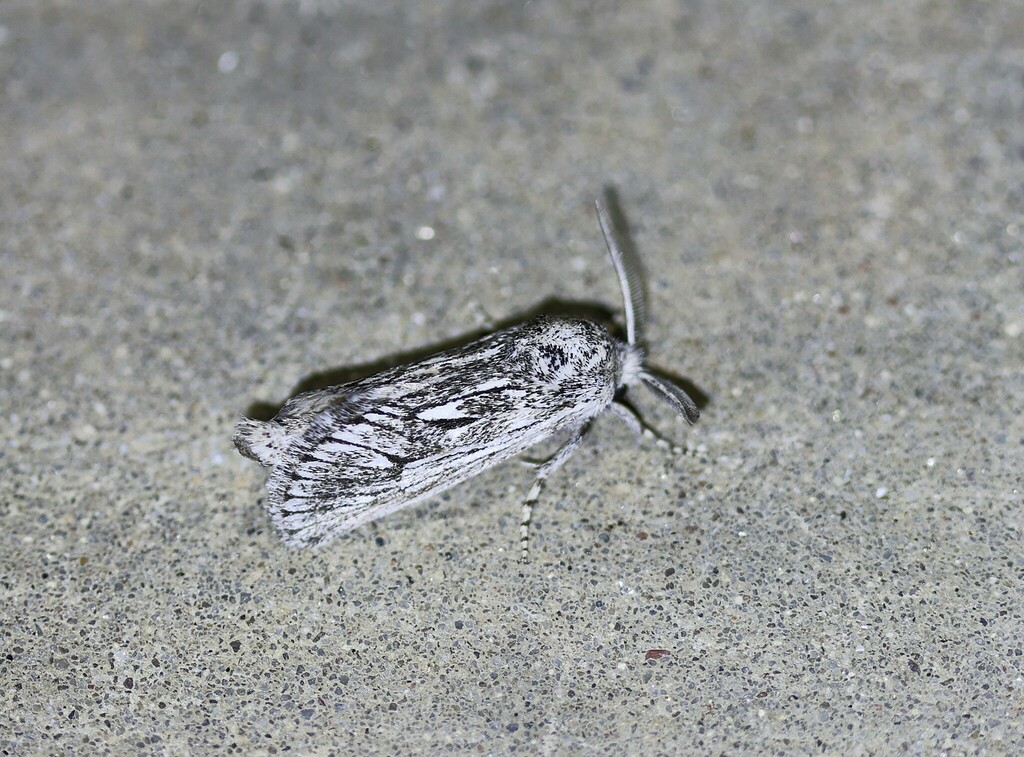
Males have forewings about 13 to 15.5 mm long, while females can reach up to 20 mm. They live in desert regions and desert mountains across western Texas, Arizona, Nevada, California and northern Baja California. Adults are on the wing from May through September.
Source: Wikipedia
Size
Male forewings measure 13 to 15.5 mm; females can be as long as 20 mm.
Source: Wikipedia
Where it lives
The species inhabits deserts and desert mountain areas.
Source: Wikipedia
When you see it
Adults have been observed flying from May to September.
Source: Wikipedia
Where it comes from
It is found in North America, recorded in western Texas, Arizona, Nevada, California and northern Baja California.
Source: Wikipedia
Where it is found in the US
Recorded in 3 of 51 states and DC. Most records: Arizona, California, Nevada.
Darker = more records. Counts are museum and citizen-science records, not population size.
Source: GBIF
Months it is reported in the US
Source: GBIF
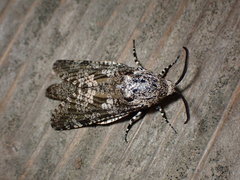
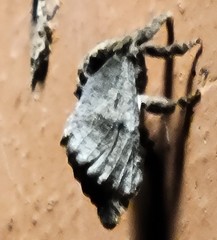
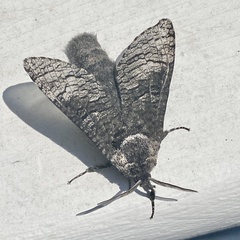
More photos
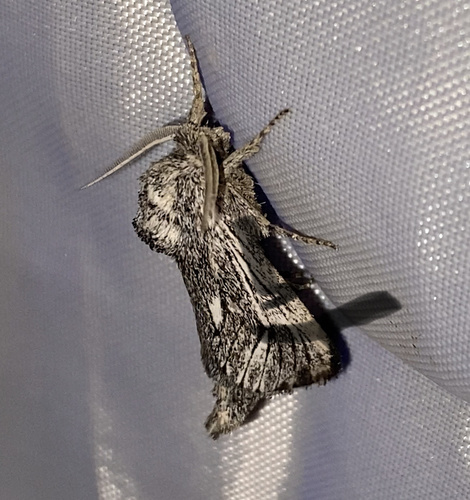
Questions people ask
When are adult Hypopta palmata active?
Adults are on the wing from May through September.
Source: Wikipedia
How large are these moths?
Males have forewings about 13 to 15.5 mm long and females up to 20 mm.
Source: Wikipedia
Where does Hypopta palmata live?
It lives in desert and desert-mountain habitats in western Texas, Arizona, Nevada, California and northern Baja California.
Source: Wikipedia
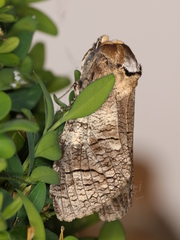
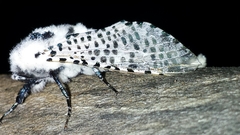
Same family (Cossidae)

Sources
- Wikipedia: https://en.wikipedia.org/wiki/Hypopta_palmata
Look it up elsewhere: GBIF · iNaturalist · BugGuide · Wikipedia
Text written 2026-10-28 from the sources above and checked sentence by sentence against them. Data fetched 2026-10-28.