 Bug FAQ
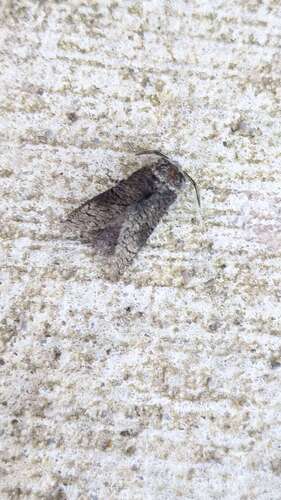
Poplar Carpenterworm Moth
Acossus centerensis · Order: Lepidoptera · Family: Cossidae
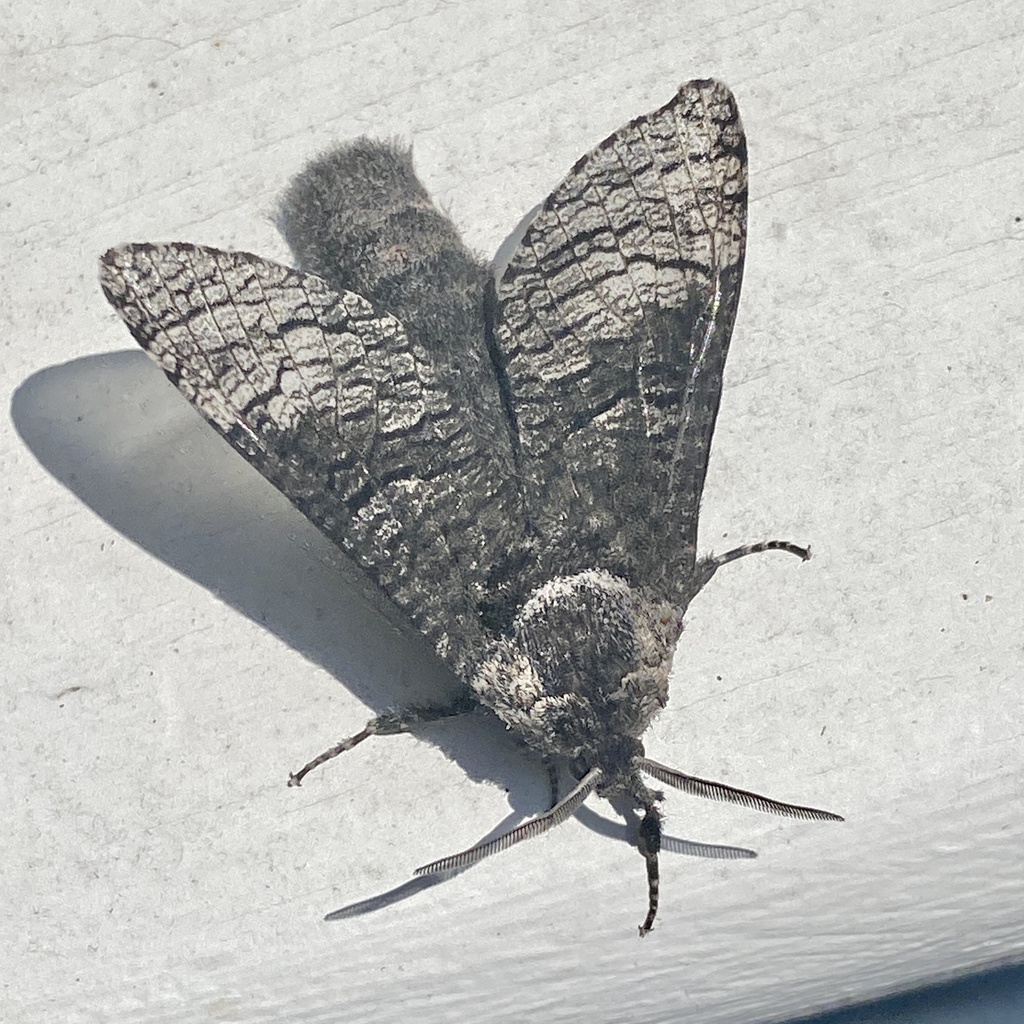
Males have a wingspan of about 40 to 50 mm and females about 50 to 64 mm. It lives across North America from New Jersey west to the Dakotas and from Quebec and Ontario across to British Columbia. The caterpillars eat poplar trees, especially trembling aspen and balsam poplars.
Source: Wikipedia
Size
Males have a wingspan of about 40 to 50 mm and females about 50 to 64 mm.
Source: Wikipedia
What it eats
The larvae feed on poplar species, mainly trembling aspen, and also on balsam poplars.
Source: Wikipedia
Where it is found in the US
Recorded in 18 of 51 states and DC. Most records: Michigan, Minnesota, Maine, Massachusetts, Montana, South Dakota, Wisconsin, New York.
Darker = more records. Counts are museum and citizen-science records, not population size.
Source: GBIF
Status: native in North America; native in United States; native in Canada. Source: iNaturalist
Months it is reported in the US
Source: GBIF
More photos
Same family (Cossidae)
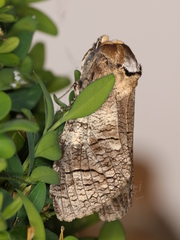 Goat MothCossus cossusDamages trees, gardens or crops
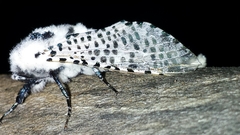 Wood Leopard MothZeuzera pyrinaDamages trees, gardens or crops
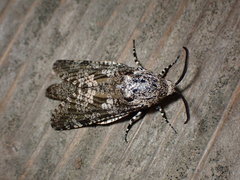 Carpenterworm MothPrionoxystus robiniaeCan damage your home
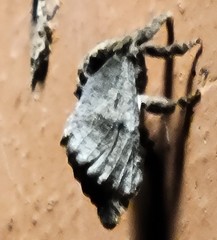 Arbela Carpenterworm MothGivira arbeloides
 Anna Carpenterworm MothGivira anna
 Little Carpenterworm MothPrionoxystus macmurtreiCan damage your home
Sources
- Wikipedia: https://en.wikipedia.org/wiki/Acossus_centerensis
Look it up elsewhere: GBIF · iNaturalist · BugGuide · Wikipedia
Text written 2026-10-27 from the sources above and checked sentence by sentence against them. Data fetched 2026-10-27.