 Bug FAQ
Hudsonian Ladybird
Mulsantina hudsonica · Order: Coleoptera · Family: Coccinellidae
Also called: Hudsonian Lady Beetle
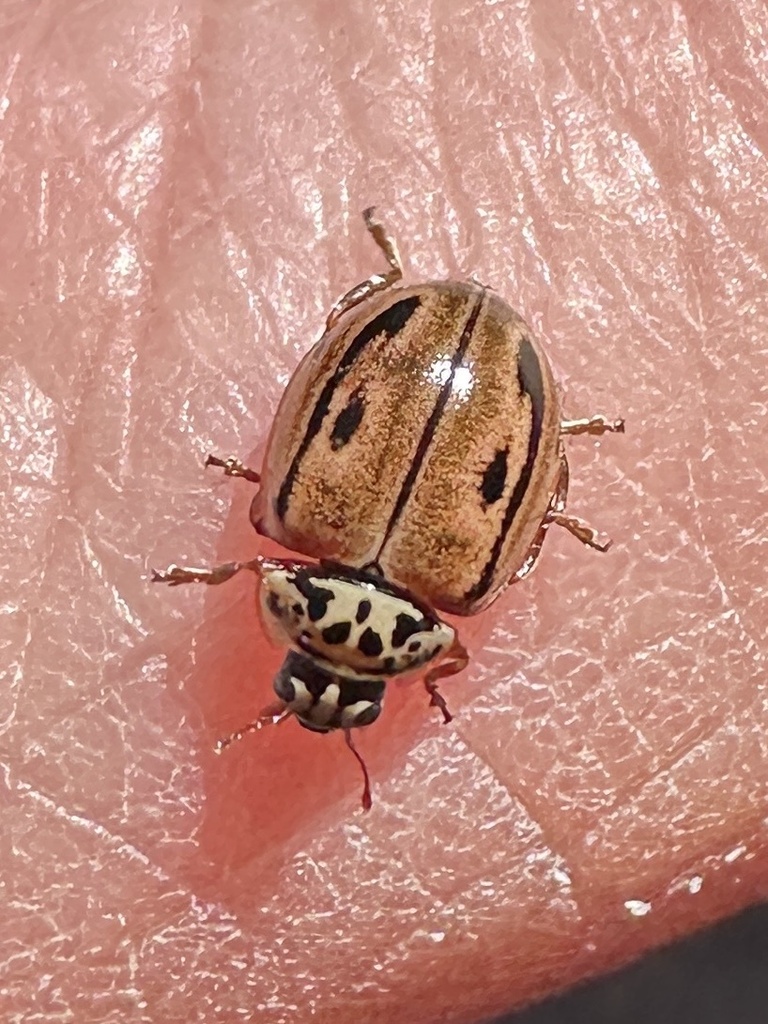
The Hudsonian ladybird is a small yellow beetle about 3.5 to 5 mm long, with distinctive black markings on its head, pronotum, and wing covers. It lives on conifers and willow across North America from Labrador to North Carolina and west to British Columbia, where it preys on the balsam woolly adelgid.
Source: Wikipedia
How to recognize it
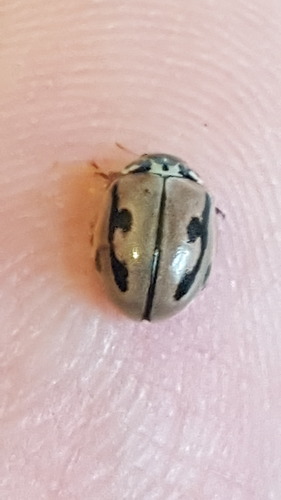
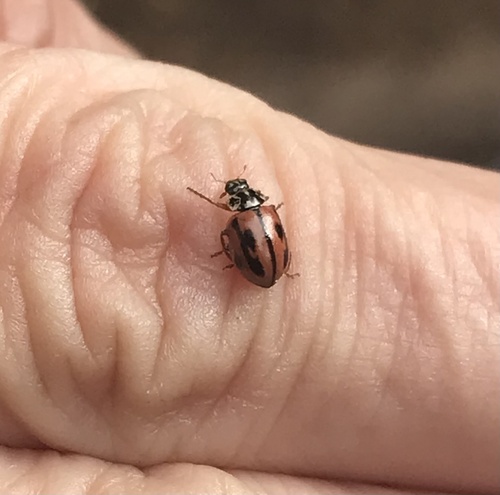
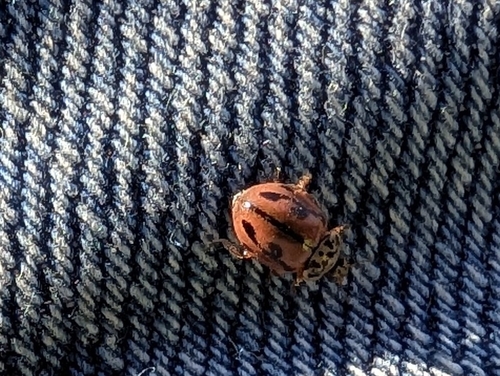
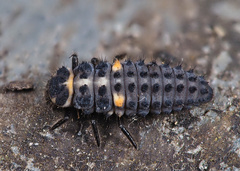
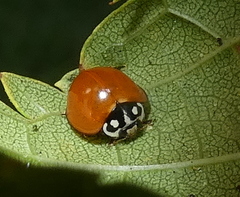
Adults are yellow with two black lines on the head. The pronotum shows black spots that form an M-shape. Each elytron has a central brown stripe and two black spots.
Source: Wikipedia
Size
The beetle measures between 3.5 and 5 mm in length.
Source: Wikipedia
Where it lives
It has been recorded on various conifers and on willow.
Source: Wikipedia
What it eats
It preys on the balsam woolly adelgid (Adelges piceae).
Source: Wikipedia
Where it comes from
It is native to North America, ranging from Labrador to North Carolina and west to British Columbia.
Source: Wikipedia
Where it is found in the US
Recorded in 12 of 51 states and DC. Most records: Minnesota, Vermont, New York, Maine, Michigan, Alaska, Wisconsin, New Hampshire.
Darker = more records. Counts are museum and citizen-science records, not population size.
Source: GBIF
Status: native in North America; native in United States; native in Canada. Source: iNaturalist
Months it is reported in the US
Source: GBIF
More photos
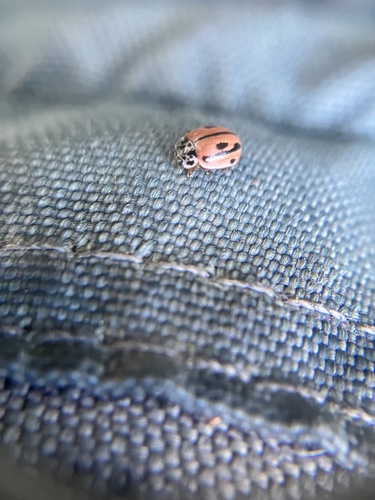
Questions people ask
Where can I find this beetle?
Look for it on conifers and willow throughout much of North America, from eastern Canada down to the Carolinas and west to British Columbia.
Source: Wikipedia
Same family (Coccinellidae)
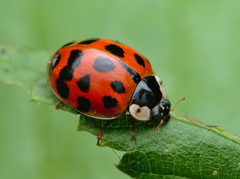
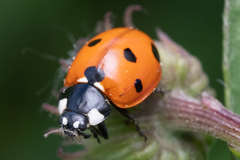
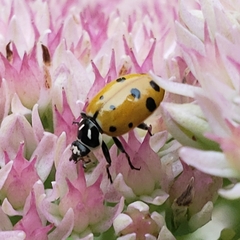

Sources
- Wikipedia: https://en.wikipedia.org/wiki/Mulsantina_hudsonica
Look it up elsewhere: GBIF · iNaturalist · BugGuide · ITIS · Wikipedia
Text written 2026-10-29 from the sources above and checked sentence by sentence against them. Data fetched 2026-10-29.