 Bug FAQ
Firefly Duskyling
Diomus terminatus · Order: Coleoptera · Family: Coccinellidae
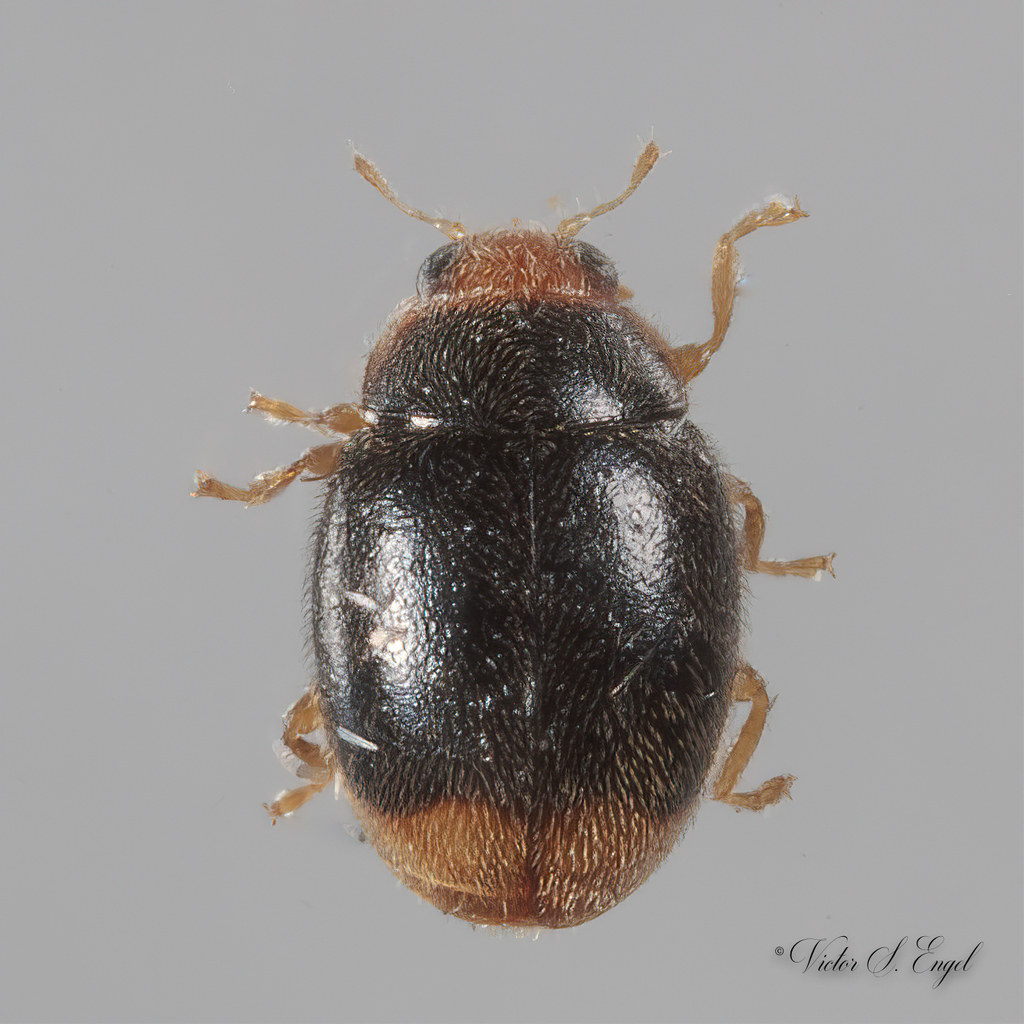
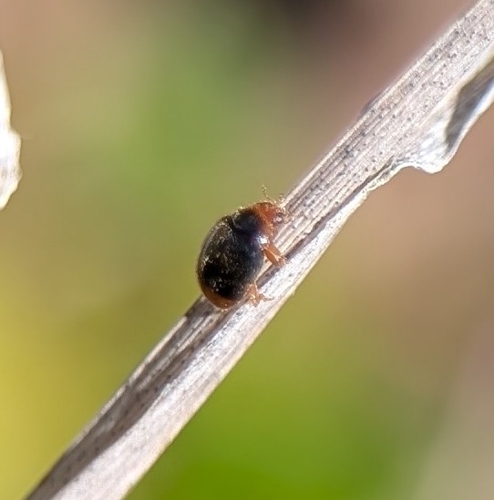
The duskyling firefly is a tiny brown beetle about 1.5 to 2 mm long, with a reddish tint on the rear of its wing covers and a covering of gold-colored hairs. It lives across eastern North America and has also been recorded in Bermuda. It probably preys on small plant-sap insects such as aphids, scale insects, and mealybugs.
Source: Wikipedia
How to recognize it
Covered in gold-colored setae that give it a slightly hairy look.
Source: Wikipedia
Where it lives
Found throughout eastern North America. Also recorded from Bermuda.
Source: Wikipedia
What it eats
Likely feeds on aphids, scale insects, and mealybugs.
Source: Wikipedia
Where it comes from
Native to eastern North America.
Source: Wikipedia
Where it is found in the US
Recorded in 32 of 51 states and DC. Most records: Kansas, Texas, Ohio, Pennsylvania, Louisiana, Massachusetts, South Carolina, Florida.
Darker = more records. Counts are museum and citizen-science records, not population size.
Source: GBIF
Status: native in North America; native in Canada. Source: iNaturalist
Months it is reported in the US
Source: GBIF
More photos
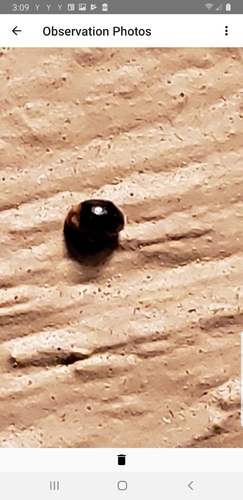
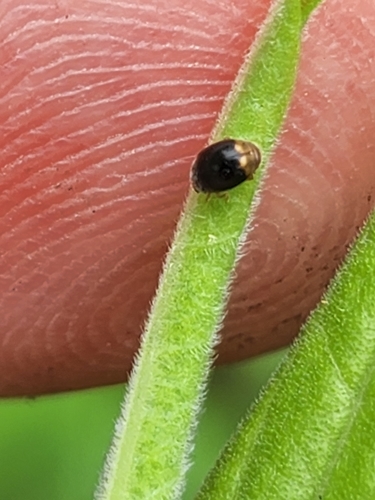
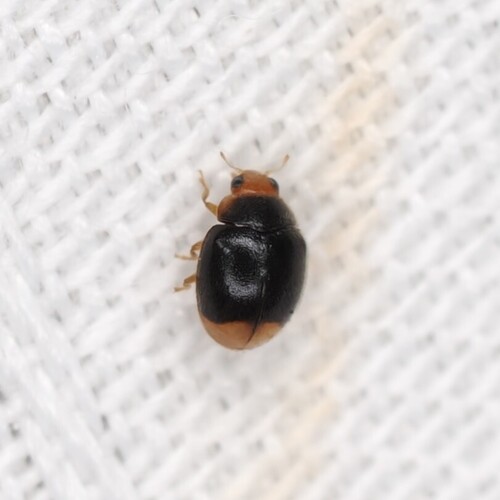
Questions people ask
What does the duskyling firefly eat?
It probably preys on aphids, scale insects, and mealybugs.
Source: Wikipedia
Where is the duskyling firefly found?
It occurs across eastern North America and has also been seen in Bermuda.
Source: Wikipedia
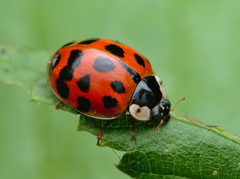
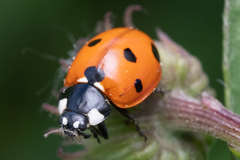
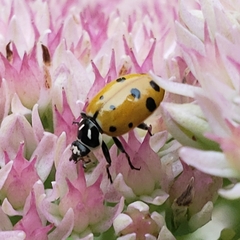
Same family (Coccinellidae)

Sources
- Wikipedia: https://en.wikipedia.org/wiki/Diomus_terminatus
Look it up elsewhere: GBIF · iNaturalist · BugGuide · ITIS · Wikipedia
Text written 2026-10-25 from the sources above and checked sentence by sentence against them. Data fetched 2026-10-25.