 Bug FAQ
Eastern Bush Orbweaver
Plebs eburnus · Order: Araneae · Family: Araneidae
Also called: Eastern Grass Orbweaver, Bush Orb Spider, Eastern Enamel Spider, Eastern Grass Orb-weaver
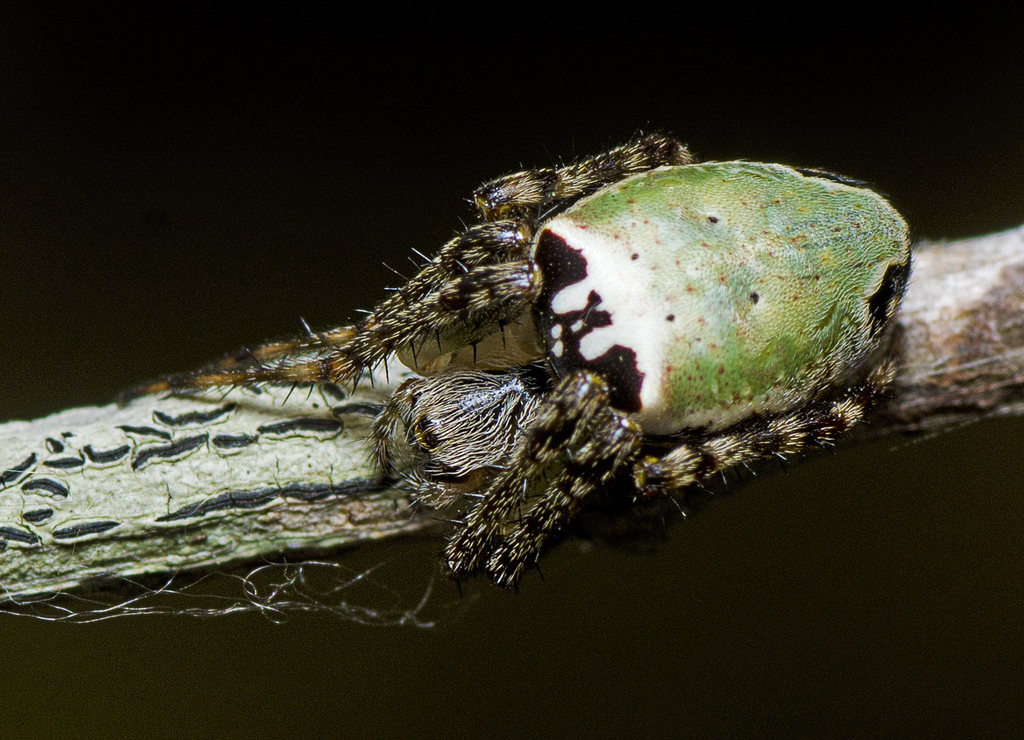
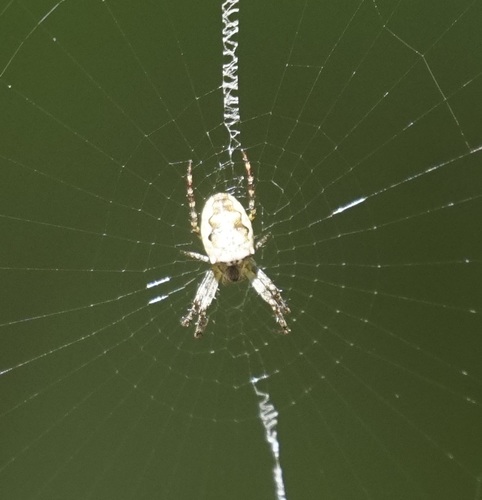
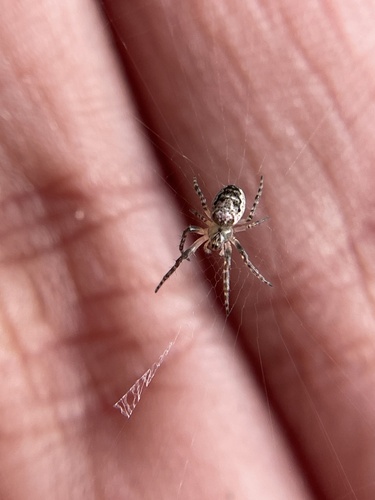
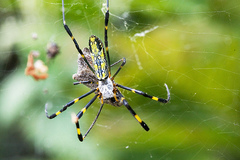
Females are about 8 mm long while males are around 5 mm. They have distinctive white markings, including a U-shaped patch with two spots on the underside of the abdomen. They build vertical orb webs up to about 2 m above ground in scrub and tall grasses in Australia.
Source: Wikipedia
How to recognize it
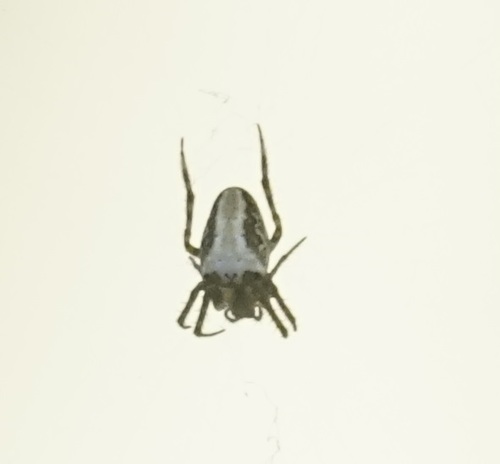
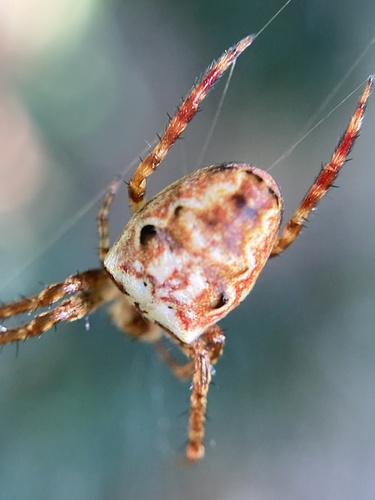
The spider shows variable white markings that give it an ivory-like appearance. A U-shaped white mark with two spots flanks the spinnerets on the belly underside.
Source: Wikipedia
Size
Females reach roughly 8 mm in length; males are about 5 mm.
Source: Wikipedia
Where it comes from
It is an Australian orb-weaver belonging to the family Araneidae.
Source: Wikipedia
Lookalikes
A related species, P. cyphoxis, often has a vertical stabilimentum resembling a clock face at 6 o’clock.
Source: Wikipedia
More photos
Questions people ask
How can I tell if a spider is an Eastern Bush Orbweaver?
Look for the ivory-like white markings and the distinctive U-shaped white patch with two spots on the underside of the abdomen; females are about 8 mm and males about 5 mm.
Source: Wikipedia
Where might I find this spider around my home?
It builds its vertical web up to 2 m high in scrubby areas and tall grasses.
Source: Wikipedia
Is this spider native to my region?
Yes, it is an Australian species in the orb-weaver family.
Source: Wikipedia
Same family (Araneidae)


Sources
- Wikipedia: https://en.wikipedia.org/wiki/Plebs_eburnus
Look it up elsewhere: GBIF · iNaturalist · BugGuide · ITIS · Wikipedia
Text written 2026-10-22 from the sources above and checked sentence by sentence against them. Data fetched 2026-10-22.