 Bug FAQ
Diplolepis ignota
Diplolepis ignota · Order: Hymenoptera · Family: Cynipidae
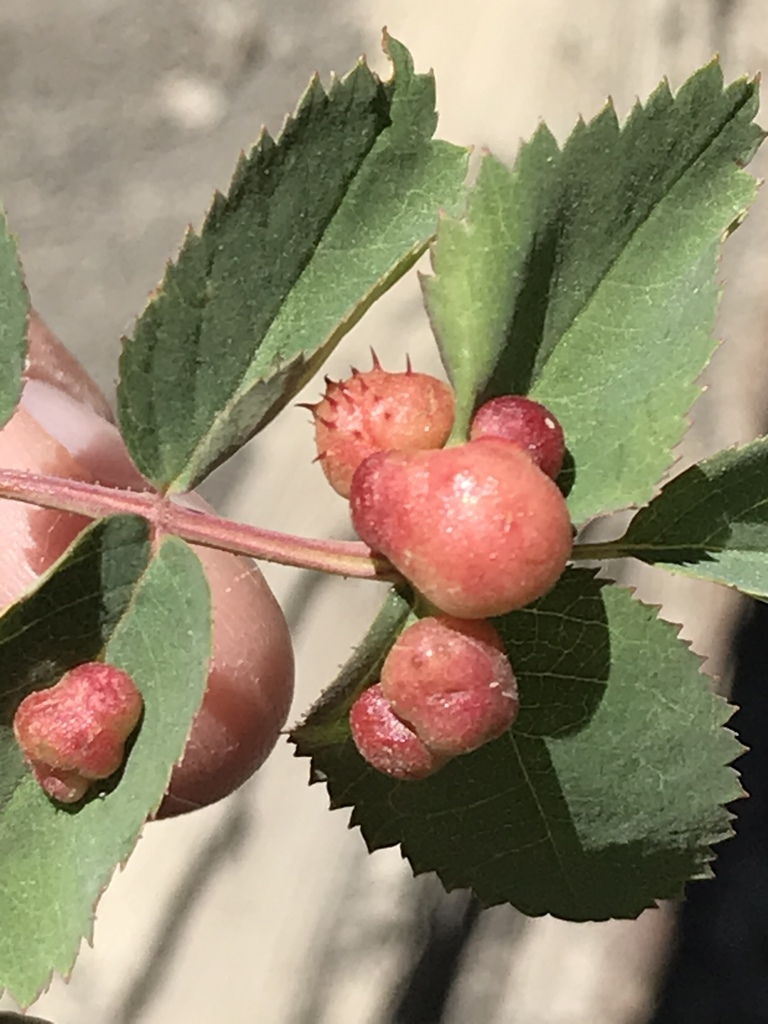
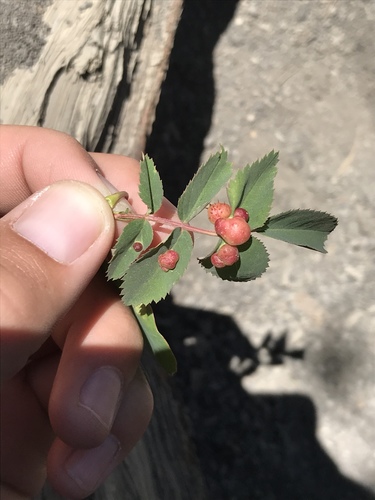
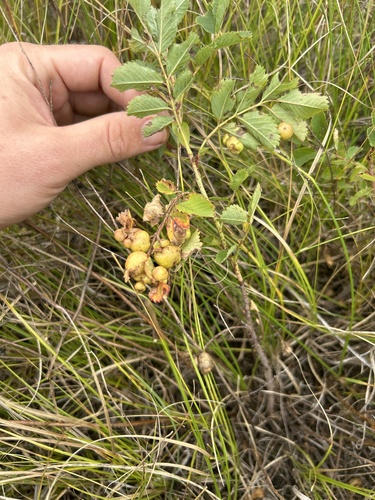
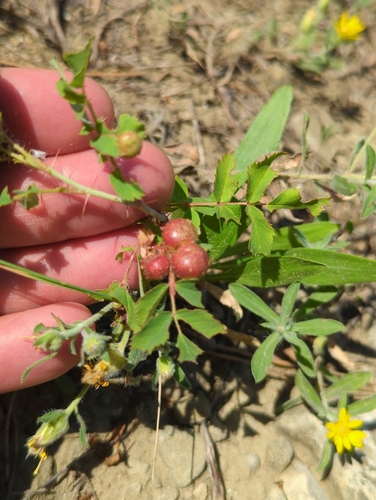
The galls are single-chambered and spherical, but several can merge into an irregularly rounded mass. They form on the leaves of wild rose species and the larvae develop inside these galls. Gall initiation begins in August and the adults emerge the following summer.
Source: Wikipedia
How to recognize it
Each gall is a single chamber and round, though several can merge into an irregular shape.
Source: Wikipedia
Size
Individual galls are single-chambered and spherical; multiple galls may coalesce into irregularly rounded forms.
Source: Wikipedia
Where it lives
The galls are produced on the leaves of several wild rose (Rosa) species.
Source: Wikipedia
What it eats
Larvae feed inside the rose leaf galls they induce.
Source: Wikipedia
Life cycle
Gall formation starts in August; the galls stay attached to the host plant, and adults emerge the next summer.
Source: Wikipedia
When you see it
Gall initiation typically occurs in August, with adult emergence the following summer.
Source: Wikipedia
Where it is found in the US
Recorded in 24 of 51 states and DC. Most records: Indiana, Colorado, Minnesota, Virginia, Montana, Illinois, Arizona, Utah.
Darker = more records. Counts are museum and citizen-science records, not population size.
Source: GBIF
Status: native in North America; native in United States. Source: iNaturalist
Months it is reported in the US
Source: GBIF
More photos
Questions people ask
When do the galls appear?
Gall initiation usually begins in August, and the galls remain on the plant until adults emerge the following summer.
Source: Wikipedia
What plants do they affect?
They form on the leaves of various wild rose species (Rosa).
Source: Wikipedia
Same family (Cynipidae)


Sources
- Wikipedia: https://en.wikipedia.org/wiki/Diplolepis_ignota
Look it up elsewhere: GBIF · iNaturalist · BugGuide · Wikipedia
Text written 2026-10-26 from the sources above and checked sentence by sentence against them. Data fetched 2026-10-26.