 Bug FAQ
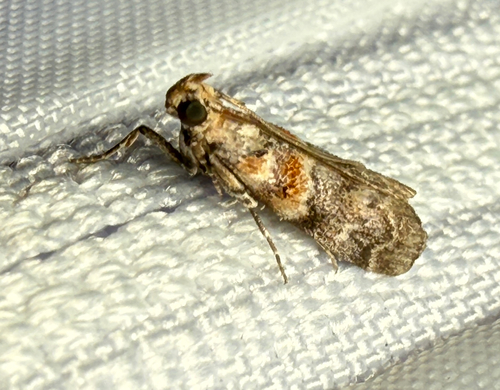
Cypress Coneworm Moths
Dioryctria pygmaeella · Order: Lepidoptera · Family: Pyralidae
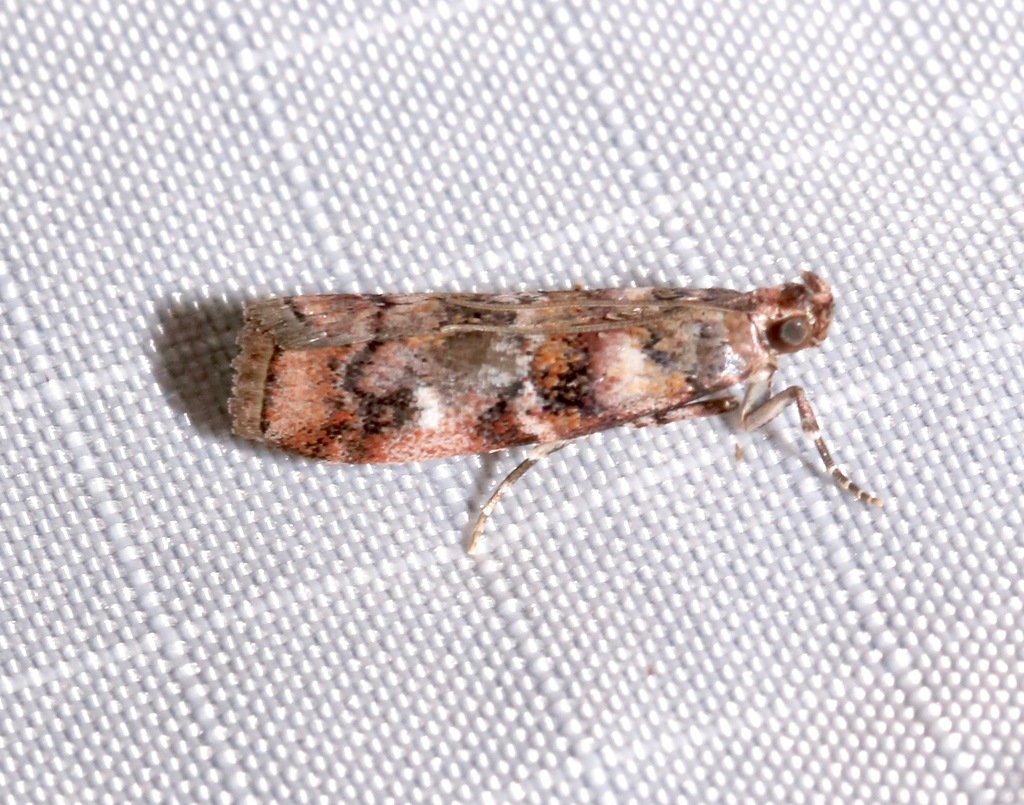
The Cypress Coneworm Moth was first described by Émile Louis Ragonot in 1887. Its larvae live inside the cones of bald cypress (Taxodium distichum) and pond cypress (Taxodium ascendens). The species can produce up to three generations each year.
Source: Wikipedia
Life cycle
There may be as many as three generations per year.
Source: Wikipedia
Where it is found in the US
Recorded in 10 of 51 states and DC. Most records: Mississippi, Louisiana, Texas, Florida, South Carolina, Georgia, Alabama, North Carolina.
Darker = more records. Counts are museum and citizen-science records, not population size.
Source: GBIF
Months it is reported in the US
Source: GBIF
More photos
Questions people ask
What do the larvae of Cypress Coneworm Moths eat?
The larvae feed inside the cones of bald cypress and pond cypress.
Source: Wikipedia
How many generations can Cypress Coneworm Moths have in a year?
They can have up to three generations annually.
Source: Wikipedia
Same family (Pyralidae)
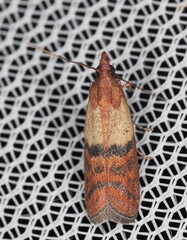 Indian-Meal MothPlodia interpunctellaCan damage your home
 Greater Wax MothGalleria mellonella
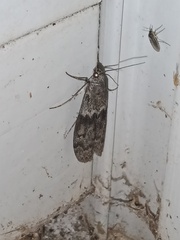 Mediterranean Flour MothEphestia kuehniellaCan damage your home
 Meal mothPyralis farinalisDamages trees, gardens or crops
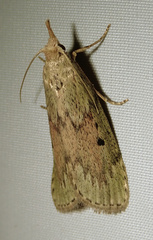 Bee MothAphomia sociellaNuisance, not dangerous
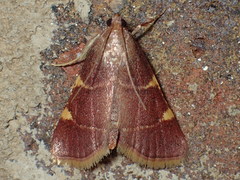 Yellow-fringed Dolichomia MothHypsopygia olinalis
Sources
- Wikipedia: https://en.wikipedia.org/wiki/Dioryctria_pygmaeella
Look it up elsewhere: GBIF · iNaturalist · BugGuide · Wikipedia
Text written 2026-10-28 from the sources above and checked sentence by sentence against them. Data fetched 2026-10-28.