 Bug FAQ
Cruciferous bug
Eurydema ventralis · Order: Hemiptera · Family: Pentatomidae
Source: Wikipedia
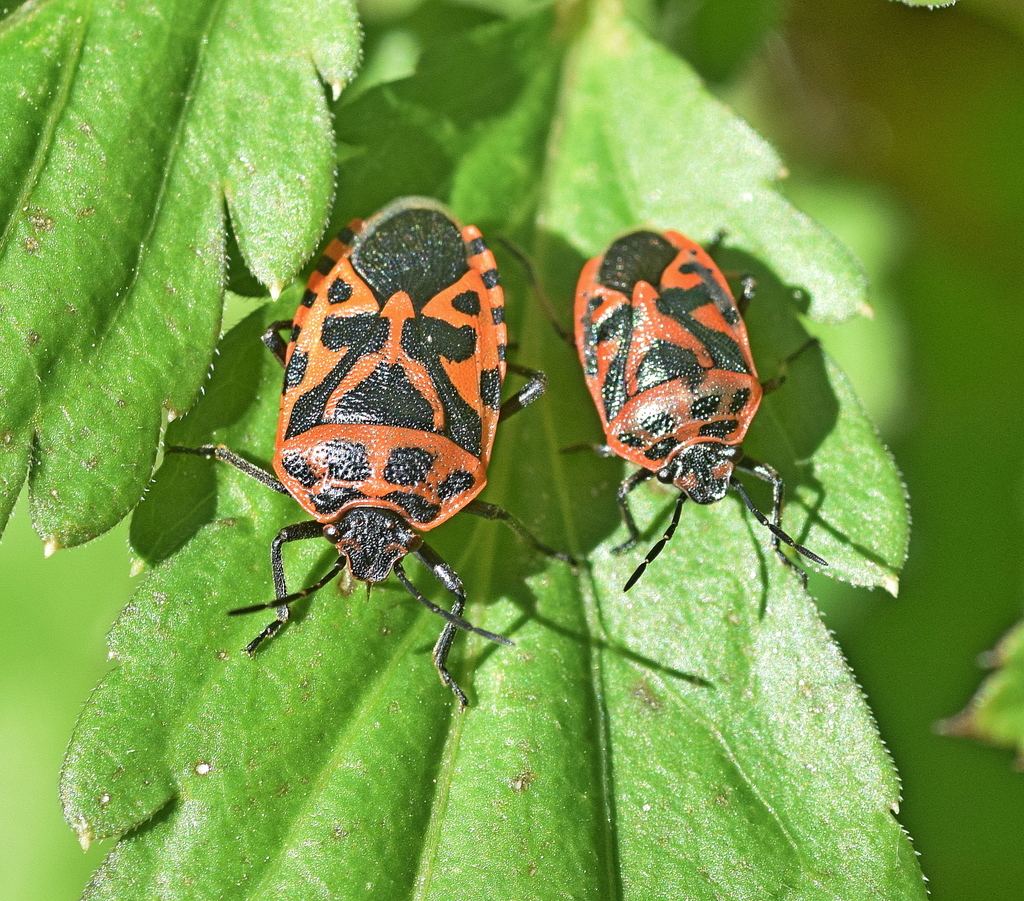
The cruciferous bug is about 10 mm long and shows yellow or red bodies with black markings, or white adults with black spots. It lives across most of Europe, overwinters as an adult, and in spring the adults attack cabbages, while later generations also lay eggs on roses and alfalfa. Its feeding can damage crucifer crops, potatoes and cereals, making it a garden and field pest.
Source: Wikipedia
How to recognize it
Adults are usually yellow or red with black markings, and newly emerged bugs are white or ivory with black spots.
Source: Wikipedia
Size
They are about 10 mm (0.39 in) long.
Source: Wikipedia
Is it a pest in the house?
They can damage cultivated crucifers, potatoes and cereals, affecting garden and field crops.
Source: Wikipedia
Where it lives
They are found throughout most of Europe.
Source: Wikipedia
What it eats
They feed on cruciferous plants and can also damage potatoes and cereals.
Source: Wikipedia
Life cycle
Adults survive the winter, emerge in spring to attack cabbages, and later females lay a second generation of eggs on crucifers, roses and alfalfa.
Source: Wikipedia
When you see it
Mating starts in early April followed by egg laying, and adults seek winter shelters when the first cold days arrive.
Source: Wikipedia
Where it comes from
Their native range covers most of Europe.
Source: Wikipedia
Questions people ask
What plants does the cruciferous bug damage?
It feeds on cabbage family crops, potatoes and cereals, and can also lay eggs on roses and alfalfa.
Source: Wikipedia
When are these bugs most active?
Adults appear in spring to attack cabbages, and a second generation appears in summer.
Source: Wikipedia
Same family (Pentatomidae)
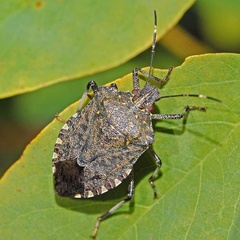 Brown Marmorated Stink BugHalyomorpha halysDamages trees, gardens or crops
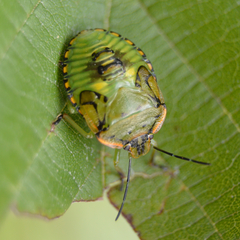 Green Stink BugChinavia hilarisDamages trees, gardens or crops
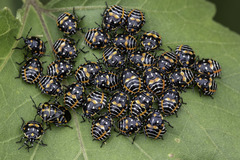 Harlequin BugMurgantia histrionicaDamages trees, gardens or crops
 Brown Stink BugEuschistus servusDamages trees, gardens or crops
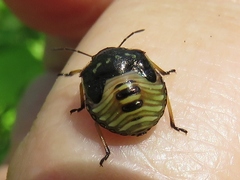
 Green Shield BugPalomena prasina
 European Striped Shield BugGraphosoma italicum
Sources
- Wikipedia: https://en.wikipedia.org/wiki/Eurydema_ventralis
Look it up elsewhere: GBIF · iNaturalist · BugGuide · Wikipedia
Text written 2026-10-22 from the sources above and checked sentence by sentence against them. Data fetched 2026-10-22.