 Bug FAQ
Brown Stink Bug
Euschistus servus · Order: Hemiptera · Family: Pentatomidae
Source: extension.msstate.edu, UF/IFAS
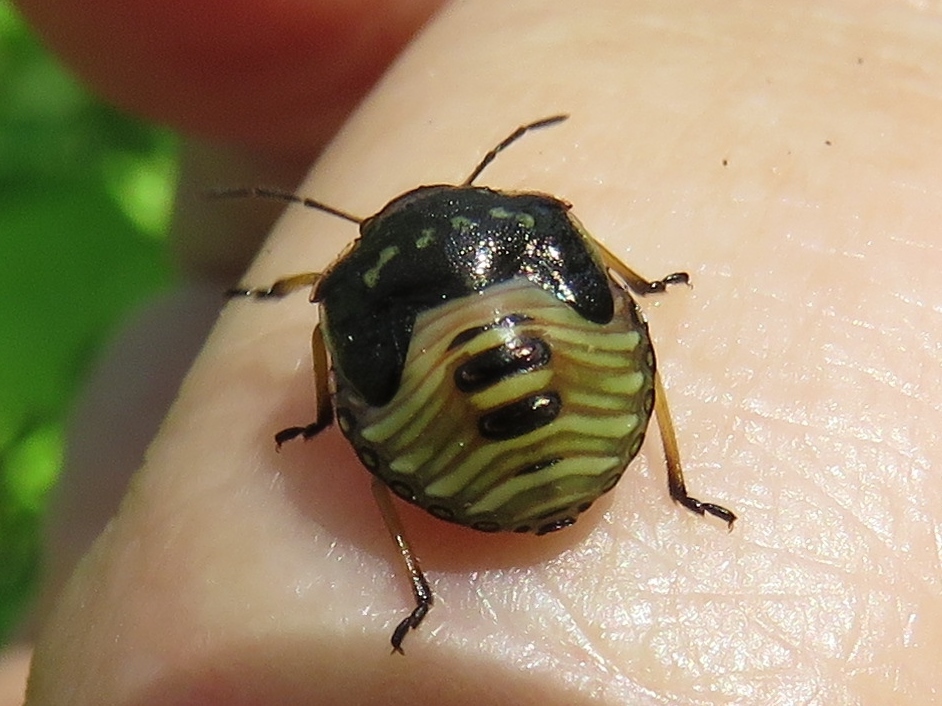
They are common pests in vegetable gardens and can cause seedling death, stunted growth, or “suckering” of plants. Control is best with pyrethroid insecticides, hand-picking, foot-stomping, and cultural practices that remove seed heads and weeds.
Source: extension.msstate.edu, UF/IFAS
How to recognize it
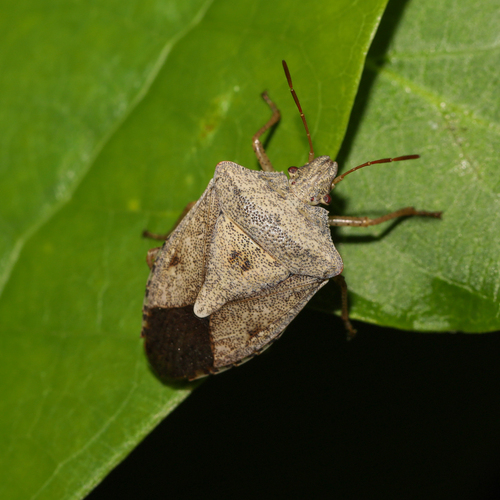
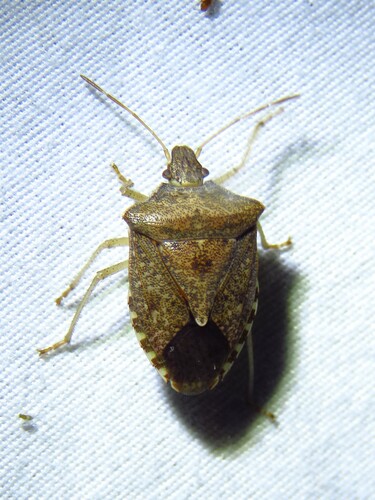
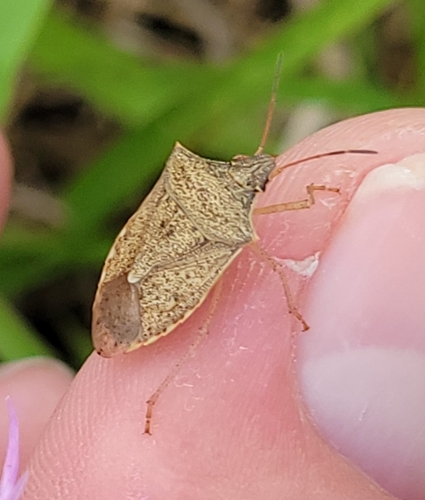
They belong to the order Hemiptera and family Pentatomidae. Adults are shield-shaped, gray-yellow with dark spots, and have piercing-sucking mouthparts.
Source: extension.msstate.edu, UF/IFAS
Is it a pest in the house?
They are among the worst pests in vegetable gardens. They are especially problematic on early-season tomatoes and green beans and may need treatment to prevent heavy damage.
Source: extension.msstate.edu
How to get rid of it
Pyrethroid insecticides such as zeta-cypermethrin and permethrin are the most effective treatments in home gardens. Insecticide use should follow crop-specific action thresholds for economical management. Removing seed heads and broadleaf weeds helps keep populations low.
Source: extension.msstate.edu, UF/IFAS
Where it comes from
They are native to Central America and North America.
Source: Wikipedia
Lookalikes
Later in the season they are joined by green stink bugs, southern green stink bugs, and other Euschistus species. Several stink-bug species can damage the same vegetable crops with their piercing-sucking mouthparts. Other stink-bug species may cause similar damage on peaches in central and south Florida. They share many host plants with other stink-bug species.
Source: extension.msstate.edu, UF/IFAS
Where it is found in the US
Recorded in 49 of 51 states and DC. Most records: Texas, North Carolina, Illinois, Kentucky, Mississippi, Florida, Oklahoma, Ohio.
Darker = more records. Counts are museum and citizen-science records, not population size.
Source: GBIF
Status: native in North America; native in Canada. Source: iNaturalist
Months it is reported in the US
Source: GBIF
More photos

Questions people ask
How can I control brown stink bugs in my garden?
Use pyrethroid sprays like zeta-cypermethrin or permethrin, and combine with hand-picking, foot-stomping, and weed removal.
Source: extension.msstate.edu, UF/IFAS
What kind of damage do they cause to plants?
Feeding can kill seedlings, stunt growth, or cause “suckering” where extra shoots emerge from the plant base.
Source: UF/IFAS
Same family (Pentatomidae)
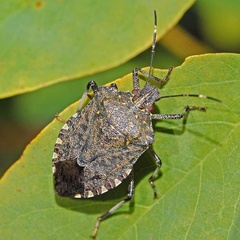 Brown Marmorated Stink BugHalyomorpha halysDamages trees, gardens or crops
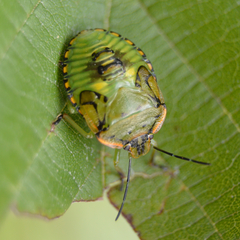 Green Stink BugChinavia hilarisDamages trees, gardens or crops
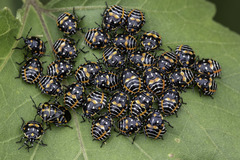 Harlequin BugMurgantia histrionicaDamages trees, gardens or crops
 Green Shield BugPalomena prasina
 European Striped Shield BugGraphosoma italicum
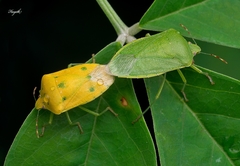 Southern Green Stink BugNezara viridula
Sources
- extension.msstate.edu: https://extension.msstate.edu/newsletters/bugs-eye-view/2019/brown-stink-bug-vol-5-no-11
- UF/IFAS: https://edis.ifas.ufl.edu/publication/IN796
- Wikipedia: https://en.wikipedia.org/wiki/Euschistus_servus
Look it up elsewhere: GBIF · iNaturalist · BugGuide · ITIS · Wikipedia
Text written 2026-10-23 from the sources above and checked sentence by sentence against them. Data fetched 2026-10-23.