 Bug FAQ
Beet Leafhopper
Neoaliturus tenellus · Order: Hemiptera · Family: Cicadellidae
Also called: Beetroot Leafhopper, Leafhopper
Source: Wikipedia

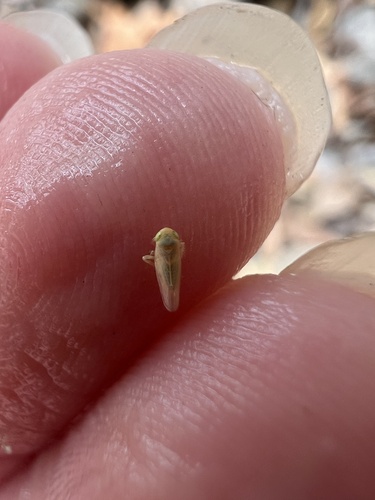
The beet leafhopper is a tiny greenish-yellow insect about 3 to 3.5 mm long, sometimes with darker wing markings when it develops in cold weather. It feeds on phloem, xylem and mesophyll sap of many plants and is the sole insect that transmits beet curly top virus, a disease that harms beans, beet, cucumber, tomato and other crops. In Idaho the species can produce three generations a year, with eggs laid in March, adults appearing by May, and a final generation maturing in early fall before returning to winter habitats.
Source: Wikipedia
How to recognize it
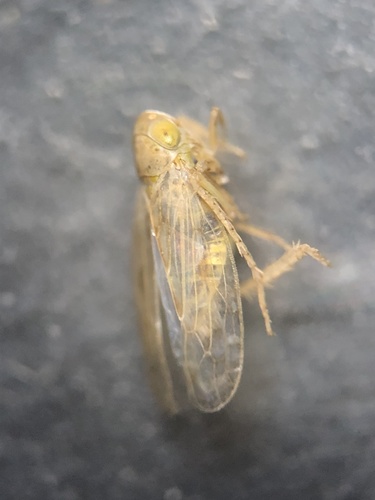
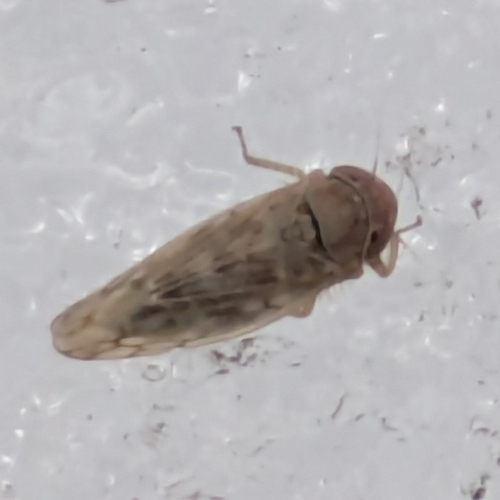
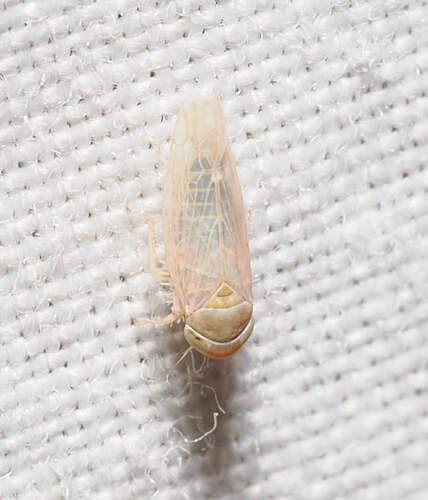
Adults are usually greenish-yellow, tan or olive, and may show darker spots on the wings, pronotum, abdomen and head if they grew in cooler temperatures.
Source: Wikipedia
Is it a pest in the house?
Because it spreads beet curly top virus, the beet leafhopper is a serious pest for many garden and field crops.
Source: Wikipedia
Where it lives
The beet leafhopper is the only insect that carries beet curly top virus, which infects many important crops.
Source: Wikipedia
What it eats
It feeds on a wide range of host plants, sucking phloem sap as well as xylem and mesophyll fluids.
Source: Wikipedia
Life cycle
In Idaho the leafhopper can produce three generations per year.
Source: Wikipedia
When you see it
Females lay eggs in March; the first adults mature by May, the second generation appears mid-summer, and the third generation reaches adulthood in early September or October before moving back to winter habitats.
Source: Wikipedia
Where it comes from
Morphological differences have been recorded among U.S. populations, including those from California and Mexico.
Source: Wikipedia
Lookalikes
It belongs to the leafhopper family Cicadellidae and can be distinguished by the presence of plates on male specimens.
Source: Wikipedia
Where it is found in the US
Recorded in 8 of 51 states and DC. Most records: California, New Mexico, Illinois, Arizona, Utah, Colorado, Nevada, Texas.
Darker = more records. Counts are museum and citizen-science records, not population size.
Source: GBIF
Status: introduced in North America; introduced in United States. Source: iNaturalist
Months it is reported in the US
Source: GBIF
More photos
Questions people ask
How many generations does it have each year?
In Idaho it can produce three generations annually, with eggs laid in March and the final generation maturing by early fall.
Source: Wikipedia
How can I recognize a beet leafhopper?
Look for a small (3 to 3.5 mm) greenish-yellow, tan or olive leafhopper, sometimes with darker markings on its wings and body, and males have distinctive plates.
Source: Wikipedia
Same family (Cicadellidae)
 Red-banded LeafhopperGraphocephala coccineaDamages trees, gardens or crops
 Coppery LeafhopperJikradia olitoria
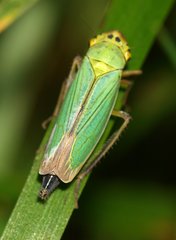 Green LeafhopperCicadella viridis
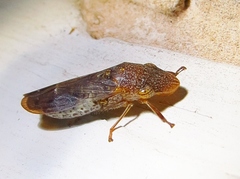 Glassy-winged SharpshooterHomalodisca vitripennisCan spread germs or disease
 Rhododendron LeafhopperGraphocephala fennahiDamages trees, gardens or crops
 Japanese LeafhopperOrientus ishidaeCan spread germs or disease
Sources
- Wikipedia: https://en.wikipedia.org/wiki/Beet_leafhopper
Look it up elsewhere: GBIF · iNaturalist · BugGuide · ITIS · Wikipedia
Text written 2026-10-24 from the sources above and checked sentence by sentence against them. Data fetched 2026-10-24.