 Bug FAQ
Balta bicolor
Balta bicolor · Order: Blattodea · Family: Ectobiidae
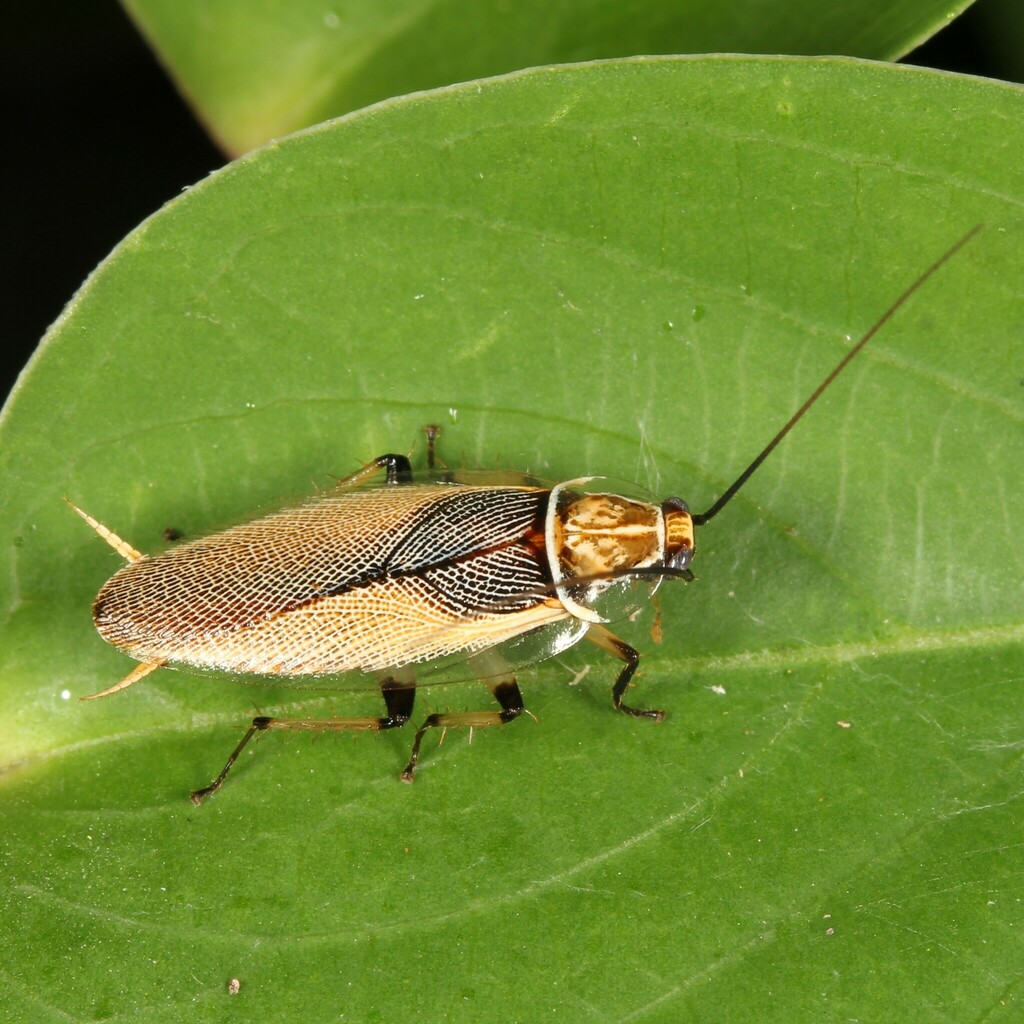
Balta bicolor has a pale face, occiput and area between the eyes, with dark antennae. It lives in plant litter or under bark and was first spotted in a New Zealand kitchen in 2009. The species is native to eastern Australia.
Source: Wikipedia
Size
Its head proportions are deeper than those of Balta transversa.
Source: Wikipedia
Is it a pest in the house?
The species was first identified in New Zealand after being found in a kitchen.
Source: Wikipedia
Where it lives
In 2009 it was discovered in an Auckland kitchen after being introduced to New Zealand.
Source: Wikipedia
Where it comes from
Balta bicolor originates from eastern Australia.
Source: Wikipedia
Lookalikes
It looks similar to Ellipsidion cockroaches but can be told apart from Balta transversa by its deeper head.
Source: Wikipedia
Questions people ask
Where might I find Balta bicolor in my home?
It has been found in kitchen areas, especially under bark or plant litter.
Source: Wikipedia
How can I tell Balta bicolor apart from similar cockroaches?
Its head is deeper than that of Balta transversa and it has a pale face with dark antennae.
Source: Wikipedia
Same family (Ectobiidae)
 German CockroachBlattella germanicaCan spread germs or disease
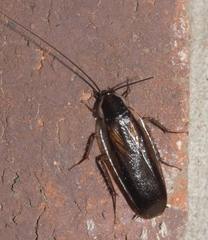 Pennsylvania Wood CockroachParcoblatta pennsylvanicaNuisance, not dangerous
 Asian CockroachBlattella asahinaiNuisance, not dangerous
 Brown-banded CockroachSupella longipalpaCan spread germs or disease
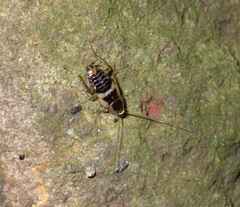 Variable CockroachPlanuncus tingitanus
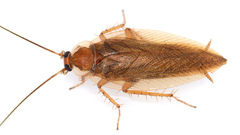 Amber Wood CockroachEctobius vittiventrisHarmless
Sources
- Wikipedia: https://en.wikipedia.org/wiki/Balta_bicolor
Look it up elsewhere: GBIF · iNaturalist · BugGuide · Wikipedia
Text written 2026-10-23 from the sources above and checked sentence by sentence against them. Data fetched 2026-10-23.