 Bug FAQ
Brown-banded Cockroach
Supella longipalpa · Order: Blattodea · Family: Ectobiidae
Also called: Brownbanded cockroach
Source: Penn State Extension
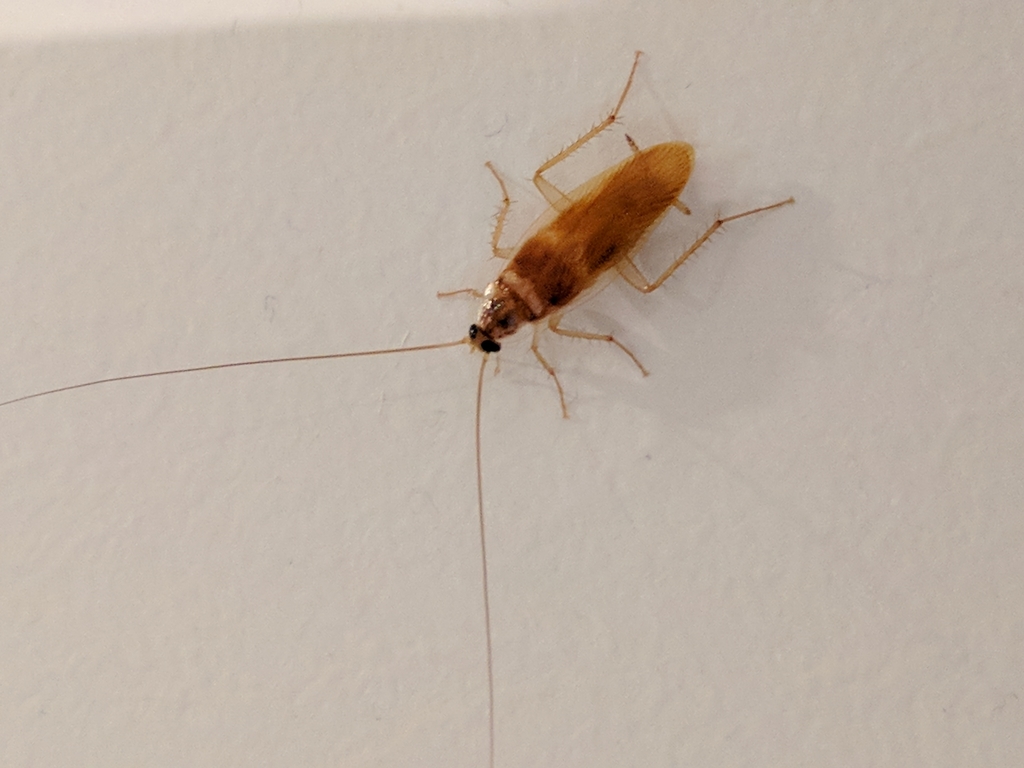
These roaches are small, tan to light brown insects about 10-14 mm long with two noticeable light bands on their wings and abdomen. They live in warm, dry spots inside homes such as cabinets, pantries and near appliances, and they are common in many U.S. regions and now in Britain and Ireland. They eat many foods, can damage stored items, and are best controlled with baiting and local extension advice.
Source: Wikipedia, Penn State Extension, Oklahoma State Extension
How to recognize it
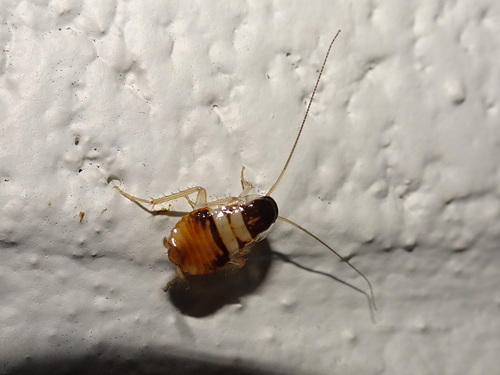
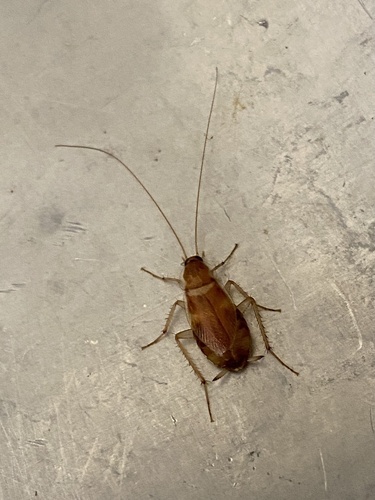
Adults have two broad brownish bands across the body, one near the base of the abdomen and another at mid-abdomen. Males have full wings that cover the abdomen and are slimmer, while females have shorter wings and appear wider.
Source: Penn State Extension, Wikipedia
Size
They measure roughly 10 to 14 mm (about half an inch) in length.
Source: Wikipedia, Oklahoma State Extension, Penn State Extension
Is it a pest in the house?
They need less moisture than German cockroaches, so they spread throughout living rooms, bedrooms and furniture. They cause damage by feeding and living in pantries and storage areas.
Source: Wikipedia, Oklahoma State Extension, Penn State Extension
Does it bite or sting?
They can carry disease-causing bacteria and protozoa on their legs and bodies, contaminating food and utensils. They may chew on non-food items like nylon stockings, likely for body-oil residues.
Source: Penn State Extension
How to get rid of it
Baiting works well to reduce or eliminate brown-banded cockroach populations. Contact your county extension office for up-to-date management advice.
Where it lives
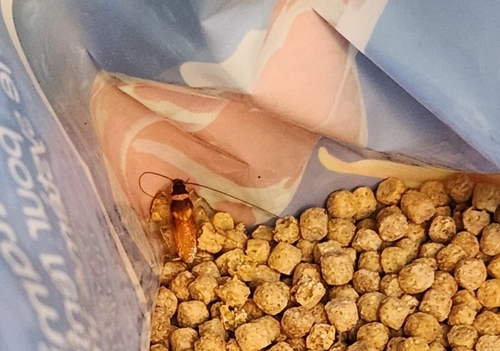
You’ll find them inside homes and apartments, especially in places that stay warm and dry. They avoid light, so they are rarely seen during the day.
Source: Wikipedia, Penn State Extension
What it eats
Brown-banded cockroaches will eat a wide range of foods.
Source: Wikipedia
Life cycle
Their maxillary palps have five segments, with the last segment being the largest and most varied in sensory structures.
Source: Wikipedia
When you see it
They thrive best at temperatures between 25 °C and 33 °C.
Source: Wikipedia
Where it comes from
They are common across the northeastern, southern and mid-west United States. They have recently established breeding colonies in Britain and Ireland.
Source: Wikipedia
Lookalikes
In Pennsylvania, the main indoor pest cockroaches are German, brown-banded, Oriental, American and occasionally the wood cockroach.
Source: Penn State Extension
Where it is found in the US
Recorded in 34 of 51 states and DC. Most records: Michigan, California, Virginia, Texas, Hawaii, Illinois, Arizona, South Carolina.
Darker = more records. Counts are museum and citizen-science records, not population size.
Source: GBIF
Months it is reported in the US
Source: GBIF
More photos

Questions people ask
Where in my house are they most likely to hide?
Look in warm, dry spots like cabinet tops, pantry shelves, behind appliances and inside furniture.
Source: Penn State Extension, Wikipedia
How can I get rid of them?
Use bait stations and follow guidance from your local extension service for the best control plan.
Same family (Ectobiidae)
 German CockroachBlattella germanicaCan spread germs or disease
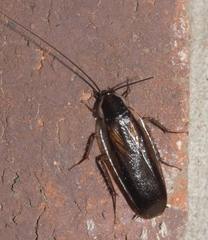 Pennsylvania Wood CockroachParcoblatta pennsylvanicaNuisance, not dangerous
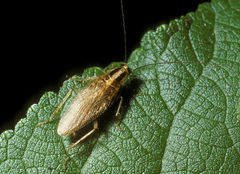 Asian CockroachBlattella asahinaiNuisance, not dangerous
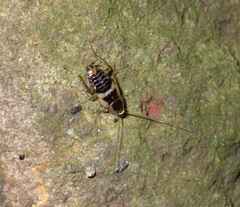 Variable CockroachPlanuncus tingitanus
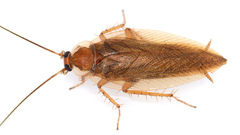 Amber Wood CockroachEctobius vittiventrisHarmless
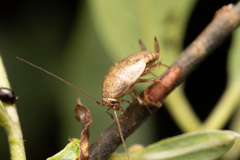 Tawny CockroachEctobius pallidus
Sources
- Penn State Extension: https://extension.psu.edu/brown-banded-cockroaches
- Wikipedia: https://en.wikipedia.org/wiki/Brown-banded_cockroach
- Oklahoma State Extension: https://extension.okstate.edu/programs/digital-diagnostics/insects-and-arthropods/brownbanded-cockroach-supella-longipalpa
Look it up elsewhere: GBIF · iNaturalist · BugGuide · ITIS · Wikipedia
Text written 2026-10-22 from the sources above and checked sentence by sentence against them. Data fetched 2026-10-22.