 Bug FAQ
German Cockroach
Blattella germanica · Order: Blattodea · Family: Ectobiidae
Also called: Croton Bug
Source: NC State Entomology

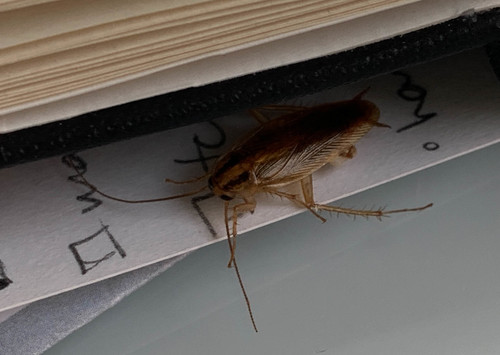
They are small (1.1 to 1.6 cm) brown insects with two dark stripes on the pronotum. They thrive in kitchens, restaurants, hotels and hospitals, feeding on food scraps and even soap or toothpaste when food is scarce. They reproduce quickly, reaching adulthood in 50 to 60 days, and are most often seen at night or when lights are turned on.
Source: Wikipedia, NC State Entomology
How to recognize it
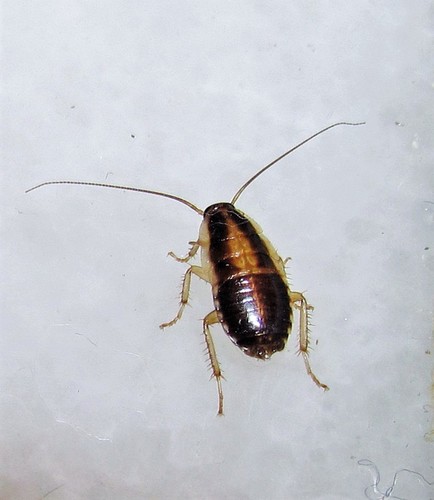
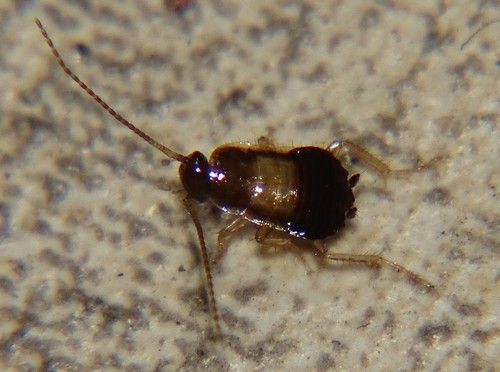
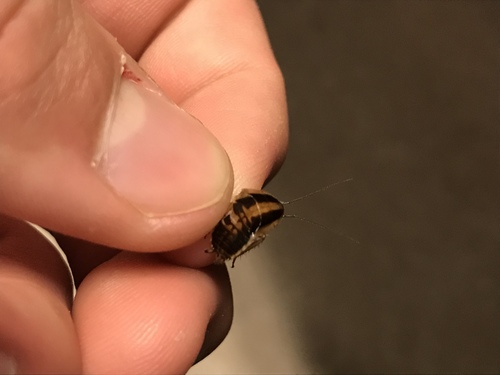
Adults have two parallel black stripes on the pronotum; nymphs are darker and oval.
Source: Wikipedia, NC State Entomology
Size
Adults measure about 1.1 to 1.6 cm in length.
Source: Wikipedia
Is it a pest in the house?
It is the most common indoor cockroach and a major nuisance species. It produces asthma-triggering allergens and can spread antibiotic-resistant bacteria.
Source: Wikipedia, NC State Entomology
How to get rid of it
Control must be continuous; a few surviving eggs can restart an infestation. Insect growth regulators that block molting are effective. Integrated pest management (IPM) uses low-risk methods first, such as targeted chemicals, pheromone traps, or mechanical removal.
Source: Wikipedia, US EPA, NC State Entomology
Where it lives
They are common inside buildings, especially in food-handling places like restaurants and hospitals. They can survive outdoors but are rarely found in the wild.
Source: Wikipedia
What it eats
They eat a wide range of foods, preferring meat, starches, sugars and fats. When food is scarce they may gnaw on soap, glue or toothpaste.
Source: Wikipedia
Life cycle
From egg to reproducing adult takes about 50 to 60 days under ideal conditions. Nymphs hatch at 3 mm and pass through six or seven molts before maturity.
Source: Wikipedia
When you see it
They are nocturnal but can appear during the day if disturbed or crowded. Most sightings occur in the evening when lights are turned on in dark rooms.
Source: Wikipedia
Where it comes from
Current evidence points to an origin in South or Southeast Asia.
Source: Wikipedia
Lookalikes
It looks very similar to the Asian cockroach and can be mistaken for it.
Source: Wikipedia
Where it is found in the US
Recorded in 49 of 51 states and DC. Most records: California, Texas, New York, Florida, South Carolina, Illinois, Arizona, Virginia.
Darker = more records. Counts are museum and citizen-science records, not population size.
Source: GBIF
Status: introduced in North America; introduced in United States. Source: iNaturalist
Months it is reported in the US
Source: GBIF
More photos
Questions people ask
How fast do they reproduce?
They can go from egg to adult in about 50 to 60 days, with nymphs passing through six or seven molts.
Source: Wikipedia
Where are they most likely to be found in a home?
In kitchens, pantries, and other areas where food crumbs or spills occur, especially in restaurants or hospitals.
Source: Wikipedia
What is the best way to control them?
Use an IPM approach that includes sanitation, insect growth regulators, and targeted traps, avoiding regular spray schedules to prevent resistance.
Source: Wikipedia, US EPA, NC State Entomology
Same family (Ectobiidae)
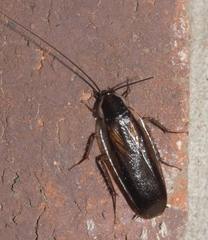 Pennsylvania Wood CockroachParcoblatta pennsylvanicaNuisance, not dangerous
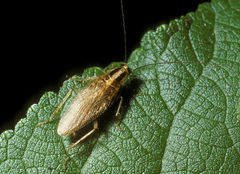 Asian CockroachBlattella asahinaiNuisance, not dangerous
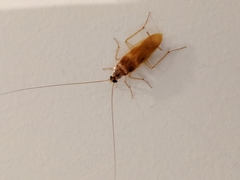 Brown-banded CockroachSupella longipalpaCan spread germs or disease
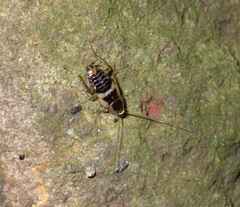 Variable CockroachPlanuncus tingitanus
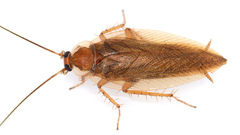 Amber Wood CockroachEctobius vittiventrisHarmless
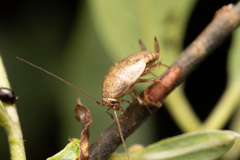 Tawny CockroachEctobius pallidus
Sources
- NC State Entomology: https://entomology.ces.ncsu.edu/german-cockroach/
- Wikipedia: https://en.wikipedia.org/wiki/German_cockroach
- US EPA: https://www.epa.gov/ipm/cockroaches-and-schools
Look it up elsewhere: GBIF · iNaturalist · BugGuide · ITIS · Wikipedia
Text written 2026-10-22 from the sources above and checked sentence by sentence against them. Data fetched 2026-10-22.