 Bug FAQ
Antelope Beetle
Dorcus parallelus · Order: Coleoptera · Family: Lucanidae
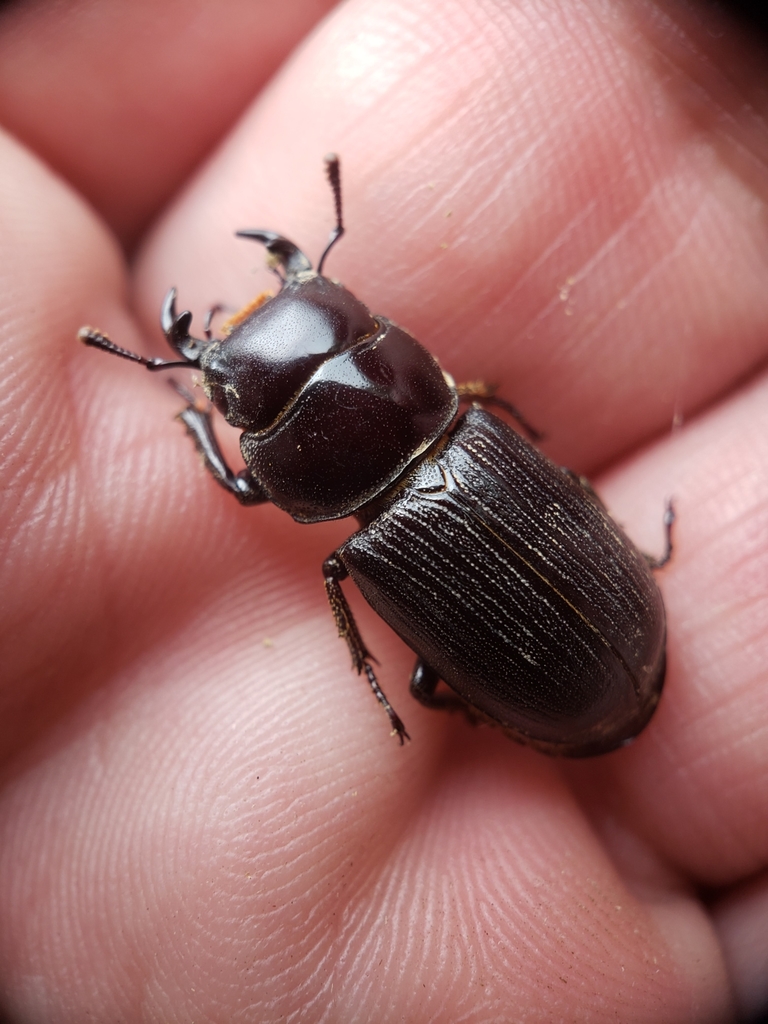
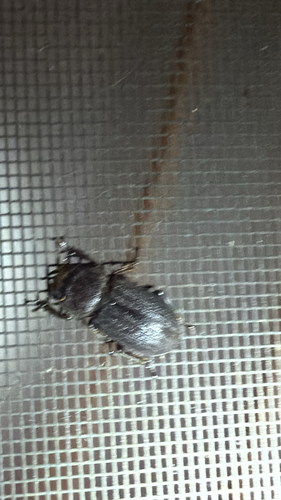
The antelope beetle measures about 15 to 26 mm in length. It is dark-colored, elongated, and has large antler-like mandibles used in mating. Females lay eggs in decaying wood after mating. It is native to North America, especially the eastern United States and Canada.
Source: Wikipedia
How to recognize it
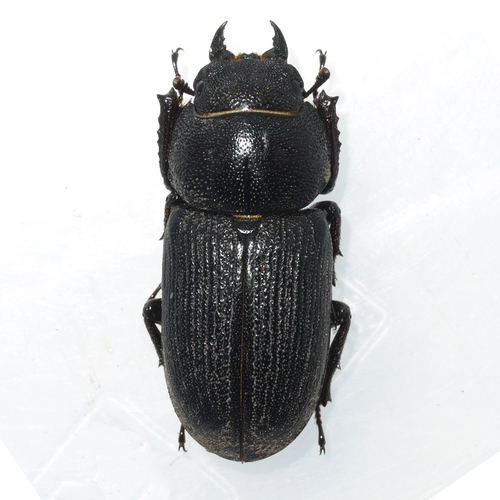
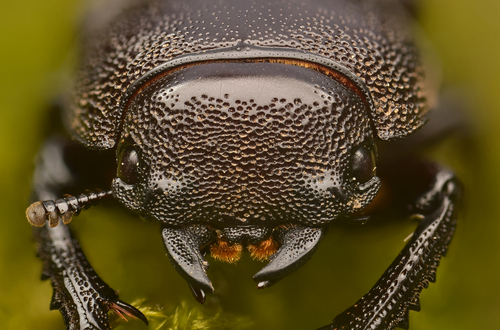
The species is noted for its impressive size and antler-like mandibles used during mating. It tends to be darker and more elongated than related beetles.
Source: Wikipedia
Size
Adults range from 15 to 26 mm long.
Source: Wikipedia
Where it lives
After mating, females seek decaying wood to deposit their eggs.
Source: Wikipedia
Where it comes from
The antelope beetle is endemic to North America. It is most common in the eastern United States and Canada.
Source: Wikipedia
Lookalikes
It is often confused with the European species Dorcus parallelipipedus. In the field it can also be mistaken for Dorcus brevis.
Source: Wikipedia
Where it is found in the US
Recorded in 34 of 51 states and DC. Most records: New York, Ohio, Pennsylvania, Connecticut, Maryland, Massachusetts, Virginia, Michigan.
Darker = more records. Counts are museum and citizen-science records, not population size.
Source: GBIF
Status: native in North America; native in Canada. Source: iNaturalist
Months it is reported in the US
Source: GBIF
More photos
Questions people ask
How can I tell an antelope beetle apart from similar species?
Look for its dark, elongated body and the large antler-like mandibles; European Dorcus parallelipipedus and Dorcus brevis lack this exact combination.
Source: Wikipedia
Where might I find antelope beetles?
They are native to North America, especially the eastern United States and Canada, and females lay eggs in decaying wood.
Source: Wikipedia
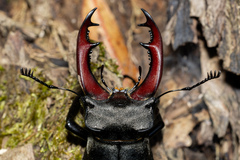
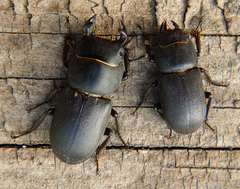
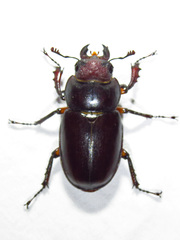
Same family (Lucanidae)


Sources
- Wikipedia: https://en.wikipedia.org/wiki/Dorcus_parallelus
Look it up elsewhere: GBIF · iNaturalist · BugGuide · ITIS · Wikipedia
Text written 2026-10-24 from the sources above and checked sentence by sentence against them. Data fetched 2026-10-24.