 Bug FAQ
Western Tiger Swallowtail
Papilio rutulus · Order: Lepidoptera · Family: Papilionidae
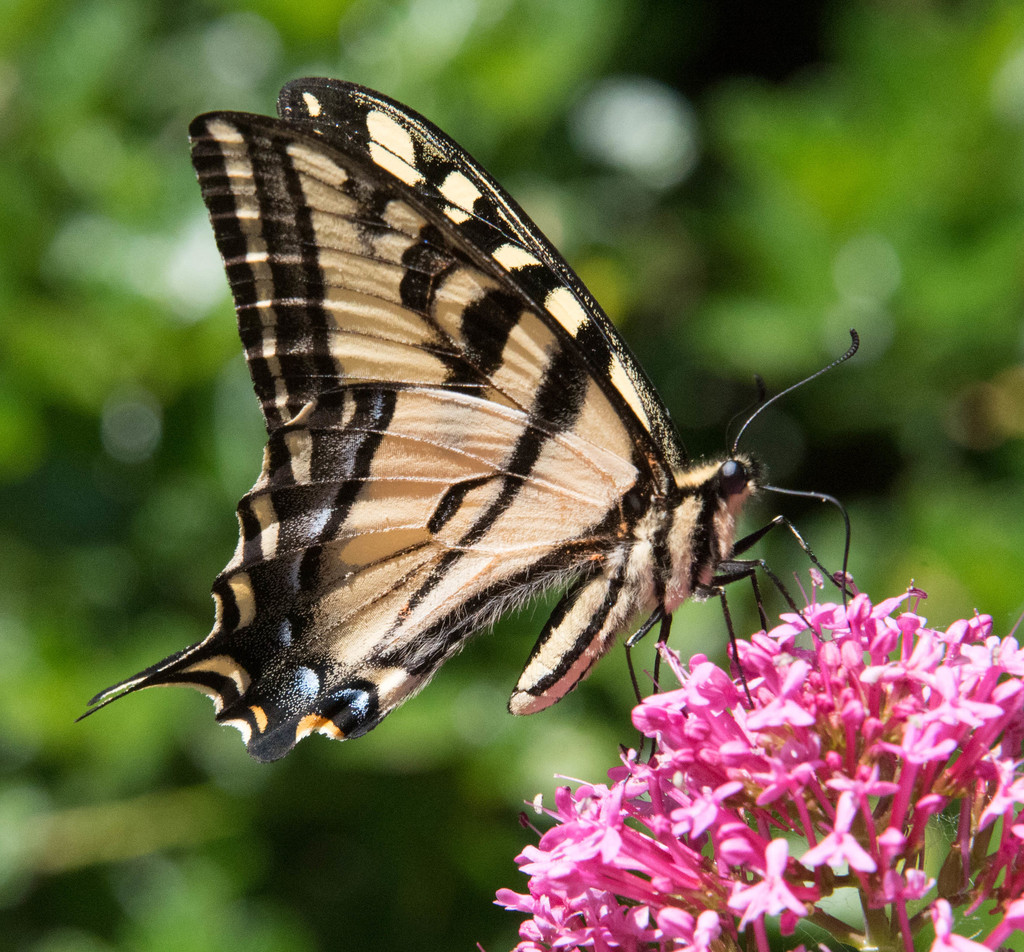
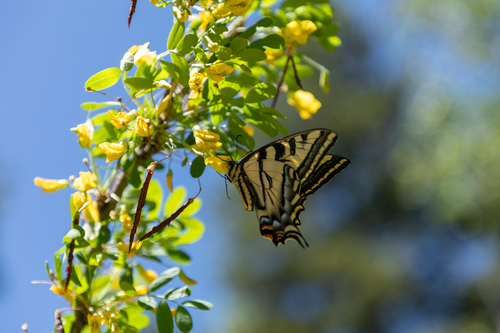
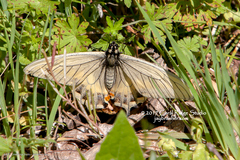
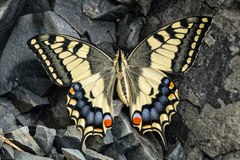
The western tiger swallowtail has yellow wings with black stripes and blue-orange spots, and characteristic tails on the hindwings. It lives across western North America, from southern California up to British Columbia and Alberta, and can also appear as far east as Nebraska and Oklahoma. Adults emerge from winter chrysalids in early spring and may produce one to three generations each year.
Source: Wikipedia
Where it lives
They are common in urban parks, gardens, rural woodlands, and riparian zones.
Source: Wikipedia
What it eats
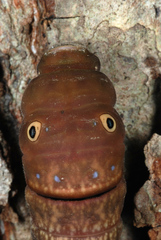
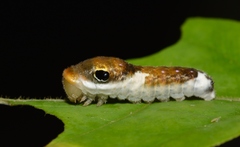
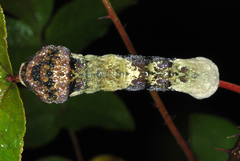
Females lay single eggs on host plant leaves; the caterpillars eat those leaves and rest in silken shelters made from curled leaves.
Source: Wikipedia
Life cycle
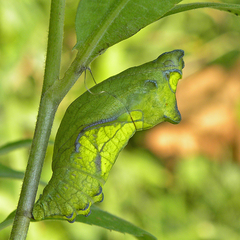
Eggs are laid singly on various host plants to avoid crowding. After the larval stage, the caterpillar forms a hard chrysalis for the pupal stage.
Source: Wikipedia
When you see it
Adults emerge from winter chrysalids between February and May, depending on temperature. One to three generations may occur each year, varying by region.
Source: Wikipedia
Where it comes from
Native to a large part of the western coast of North America, from southern California to southern British Columbia and Alberta. Occasionally seen farther east, reaching central Nebraska and Oklahoma.
Source: Wikipedia
Lookalikes
It was formerly placed in genus Pterourus but is now classified in Papilio, like other tiger swallowtails.
Source: Wikipedia
Where it is found in the US
Recorded in 22 of 51 states and DC. Most records: California, Washington, Oregon, Colorado, Idaho, Utah, New Mexico, Nevada.
Darker = more records. Counts are museum and citizen-science records, not population size.
Source: GBIF
Status: native in North America; native in Canada; native in United States. Source: iNaturalist
Months it is reported in the US
Source: GBIF
More photos
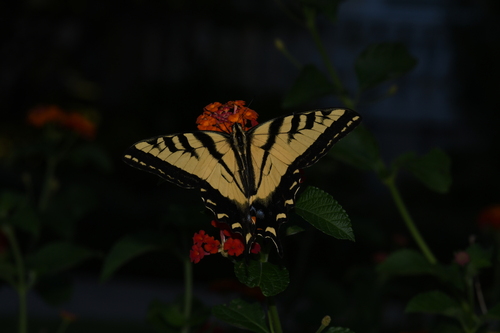
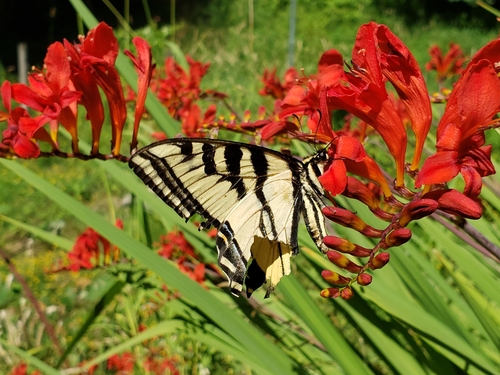
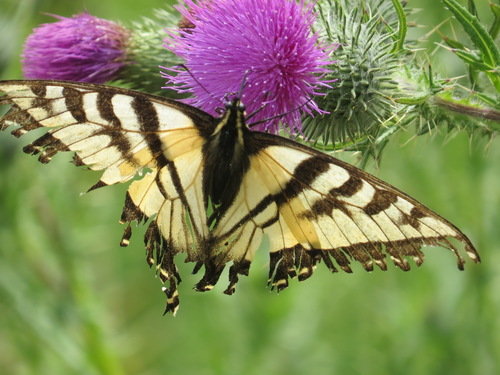
Same family (Papilionidae)
Sources
- Wikipedia: https://en.wikipedia.org/wiki/Papilio_rutulus
Look it up elsewhere: GBIF · iNaturalist · BugGuide · ITIS · Wikipedia
Text written 2026-10-22 from the sources above and checked sentence by sentence against them. Data fetched 2026-10-22.