 Bug FAQ
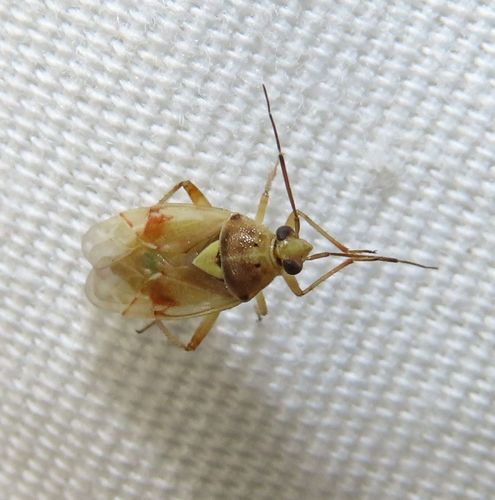
Western Tarnished Plant Bug
Lygus hesperus · Order: Hemiptera · Family: Miridae
Also called: western plant bug
Source: Wikipedia
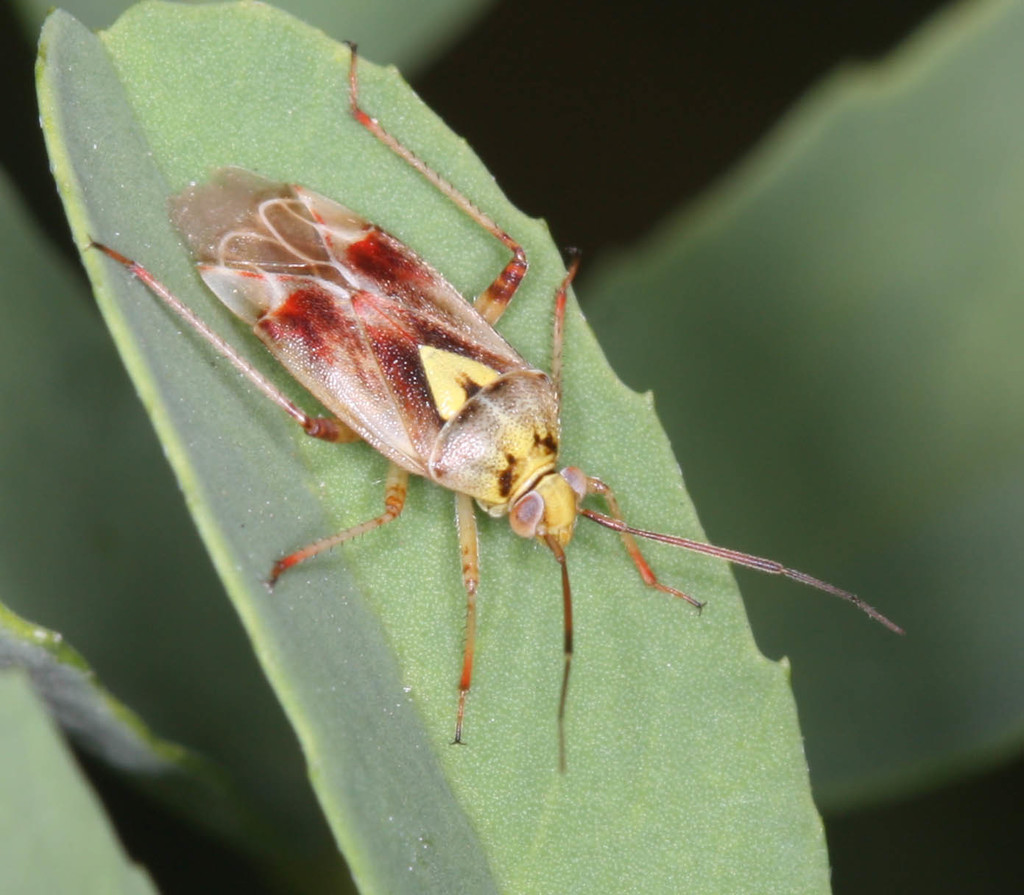
It feeds on cotton, strawberries, and alfalfa, causing damage to those plants.
Source: Wikipedia
How to recognize it
It is recognized as a serious pest of cotton, strawberries, and alfalfa.
Source: Wikipedia
Is it a pest in the house?
It is not noted as a household pest; its impact is on crops.
Source: Wikipedia
Where it lives
It lives where cotton, strawberries, and alfalfa are grown.
Source: Wikipedia
What it eats
It feeds on cotton, strawberries, and alfalfa plants.
Source: Wikipedia
Where it comes from
It occurs in regions where these crops are cultivated.
Source: Wikipedia
Where it is found in the US
Recorded in 14 of 51 states and DC. Most records: California, Arizona, New Mexico, Utah, Texas, Nevada, Oregon, Colorado.
Darker = more records. Counts are museum and citizen-science records, not population size.
Source: GBIF
Status: native in North America; native in Canada; native in United States. Source: iNaturalist
Months it is reported in the US
Source: GBIF
More photos
Questions people ask
What crops does the western tarnished plant bug damage?
It damages cotton, strawberries, and alfalfa.
Source: Wikipedia
Is the western tarnished plant bug a problem for farmers?
Yes, it is a serious pest of several important crops.
Source: Wikipedia
Same family (Miridae)
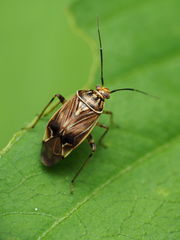 North American Tarnished Plant BugLygus lineolarisDamages trees, gardens or crops
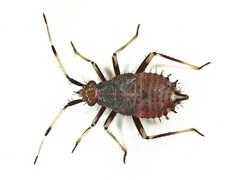 Red-spotted Plant BugDeraeocoris ruber
 Alfalfa Plant BugAdelphocoris lineolatusDamages trees, gardens or crops
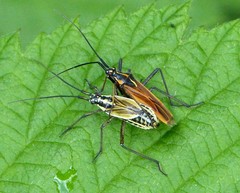 Meadow Plant BugLeptopterna dolabrataDamages trees, gardens or crops
 Four-lined Plant BugPoecilocapsus lineatusDamages trees, gardens or crops
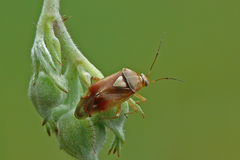 Lygus pratensisLygus pratensisDamages trees, gardens or crops
Sources
- Wikipedia: https://en.wikipedia.org/wiki/Lygus_hesperus
Look it up elsewhere: GBIF · iNaturalist · BugGuide · ITIS · Wikipedia
Text written 2026-10-23 from the sources above and checked sentence by sentence against them. Data fetched 2026-10-23.