 Bug FAQ
Western Sycamore Lace Bug
Corythucha confraterna · Order: Hemiptera · Family: Tingidae
Source: Wikipedia
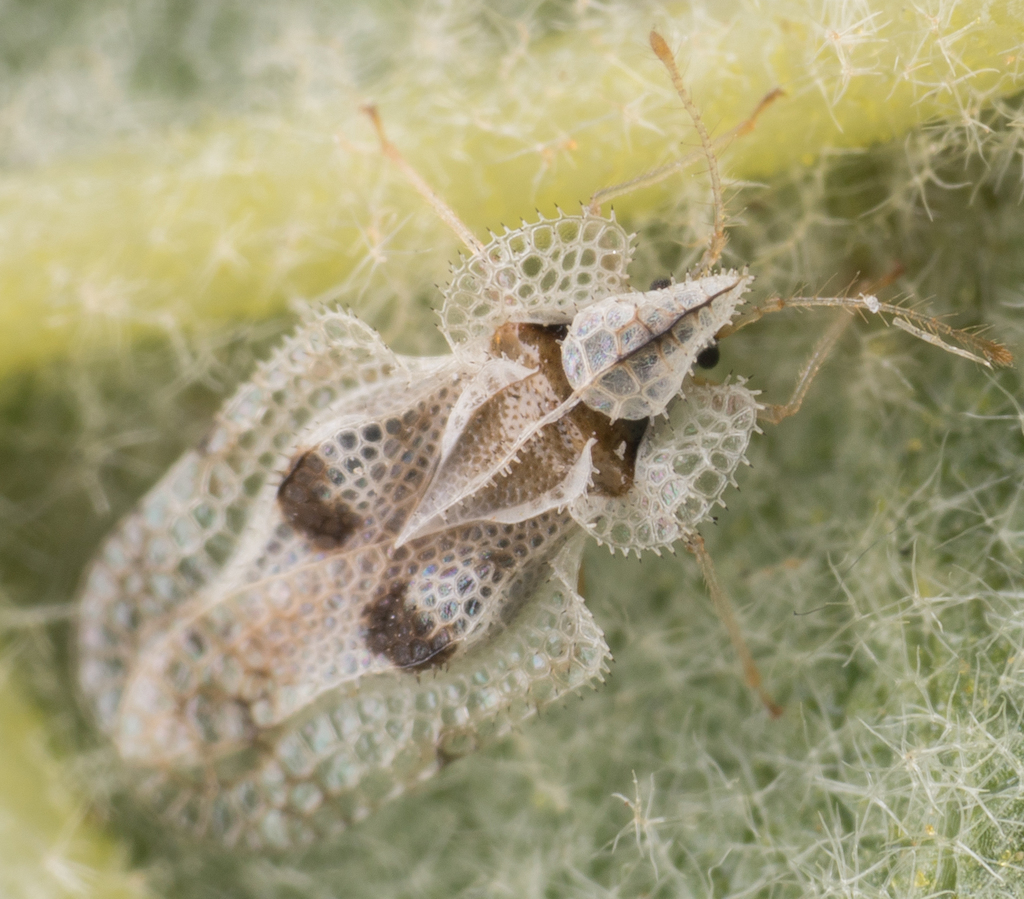
The western sycamore lace bug lives in Central and North America. It is active from spring through autumn and hides in bark crevices or under fallen leaves during winter. It feeds on the sap of sycamore, ash, hickory and mulberry trees, causing early leaf wilting and shedding.
Source: Wikipedia
Is it a pest in the house?
Their feeding causes leaves to wilt and be shed early.
Source: Wikipedia
What it eats
They feed on the sap of sycamore, ash, hickory and mulberry trees. They gather under leaves to suck plant sap.
Source: Wikipedia
When you see it
Adults are active from spring through autumn.
Source: Wikipedia
Where it comes from
They are found in Central America and North America.
Source: Wikipedia
Where it is found in the US
Recorded in 3 of 51 states and DC. Most records: California, New Mexico, Arizona.
Darker = more records. Counts are museum and citizen-science records, not population size.
Source: GBIF
Months it is reported in the US
Source: GBIF
More photos

Questions people ask
What trees do they feed on?
They feed on the sap of sycamore, ash, hickory and mulberry trees.
Source: Wikipedia
Same family (Tingidae)
 Eastern Sycamore Lace BugCorythucha ciliataCan bite
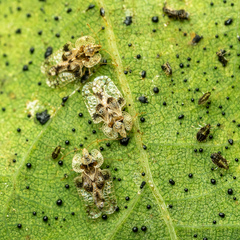 Oak lace bugCorythucha arcuataDamages trees, gardens or crops
 Walnut Lace BugCorythucha juglandis
 Andromeda Lace BugStephanitis takeyaiDamages trees, gardens or crops
 Eggplant lace bugGargaphia solaniDamages trees, gardens or crops
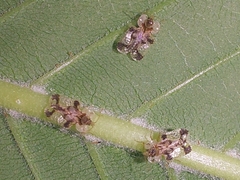 Buckeye Lace BugCorythucha aesculi
Sources
- Wikipedia: https://en.wikipedia.org/wiki/Corythucha_confraterna
Look it up elsewhere: GBIF · iNaturalist · BugGuide · ITIS · Wikipedia
Text written 2026-10-29 from the sources above and checked sentence by sentence against them. Data fetched 2026-10-29.