 Bug FAQ
Verbena Bud Moth
Endothenia hebesana · Order: Lepidoptera · Family: Tortricidae
Also called: Vervain Bud Moth
Source: Wikipedia
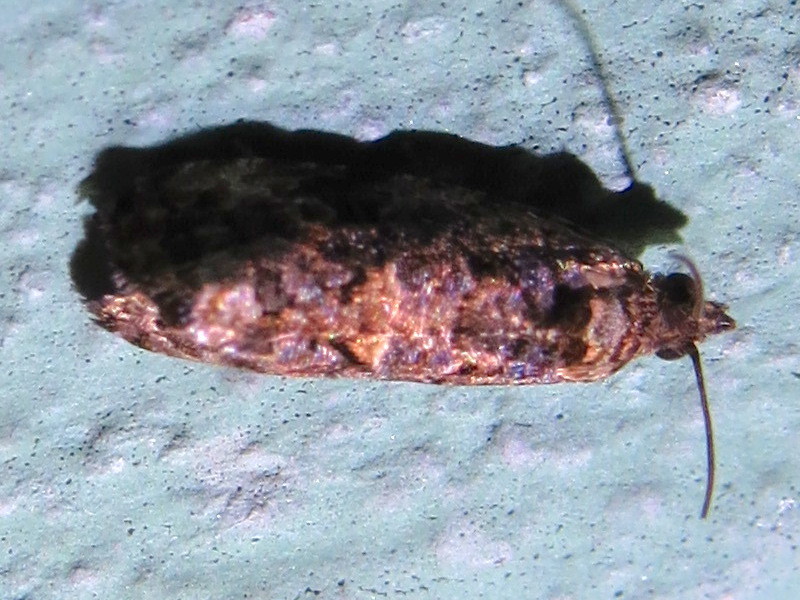
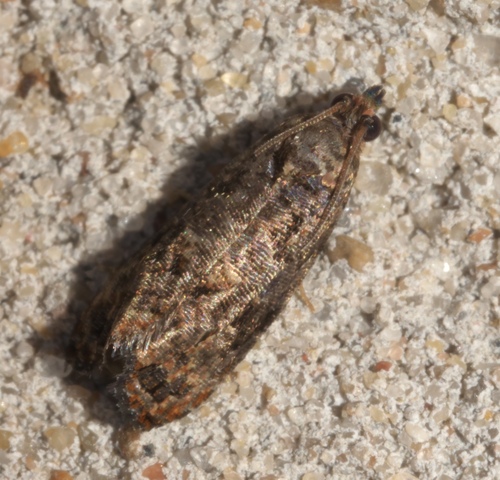
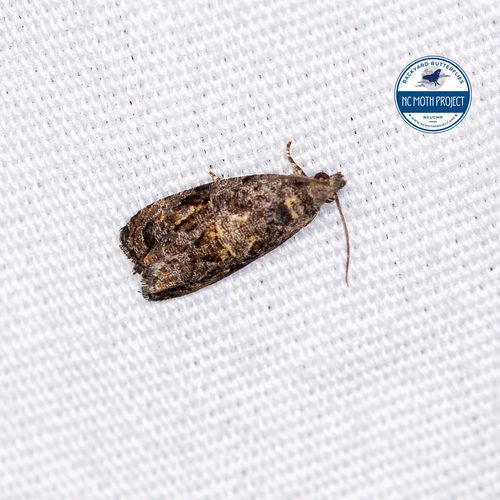
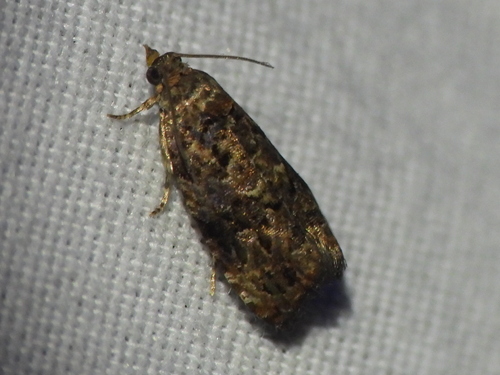
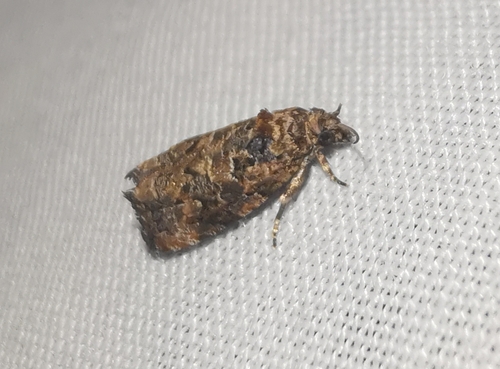
Forewings are 5 to 8.2 mm long in both males and females. The wings range in color from dusky brown to a clay hue. Adults fly from late April to mid-June, with one or more generations depending on latitude.
Source: Wikipedia
Where it lives
It lives in black spruce-sphagnum bogs.
Source: Wikipedia
What it eats
Larvae feed on the seeds of a wide range of plants including Verbena, Iris, Solidago, and many others.
Source: Wikipedia
Life cycle
There are five larval stages; the fourth and fifth stages overwinter in flower stalks, and pupation occurs in late May.
Source: Wikipedia
Where it comes from
It is native to North America, recorded in many U.S. states and Canadian provinces.
Source: Wikipedia
Where it is found in the US
Recorded in 42 of 51 states and DC. Most records: Texas, Michigan, New York, North Carolina, Oklahoma, Maryland, Ohio, Massachusetts.
Darker = more records. Counts are museum and citizen-science records, not population size.
Source: GBIF
Status: native in North America; native in Canada; native in United States. Source: iNaturalist
Months it is reported in the US
Source: GBIF
More photos
Questions people ask
What plants do the larvae eat?
The larvae feed on seeds of many species such as Verbena, Iris, Solidago, and other garden and wild plants.
Source: Wikipedia
When are adult moths active?
Adults fly from late April through mid-June, and may have one or more generations depending on where they live.
Source: Wikipedia
Where is the Verbena Bud Moth found?
It occurs across North America, including many U.S. states from the east to the west and several Canadian provinces.
Source: Wikipedia
Same family (Tortricidae)
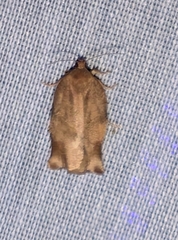 Oblique-banded Leafroller MothChoristoneura rosaceanaDamages trees, gardens or crops
 Garden TortrixClepsis peritanaDamages trees, gardens or crops
 Common MarbleSyricoris lacunanaDamages trees, gardens or crops
 Red-banded Leafroller MothArgyrotaenia velutinanaDamages trees, gardens or crops
 Light Brown Apple MothEpiphyas postvittanaDamages trees, gardens or crops
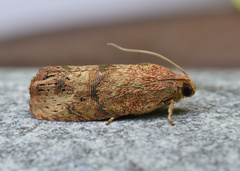 Filbertworm MothCydia latiferreanaDamages trees, gardens or crops
Sources
- Wikipedia: https://en.wikipedia.org/wiki/Endothenia_hebesana
Look it up elsewhere: GBIF · iNaturalist · BugGuide · Wikipedia
Text written 2026-10-23 from the sources above and checked sentence by sentence against them. Data fetched 2026-10-23.